


Popular
What challenges did Eleanor Roosevelt face during her time as First Lady?
How did Michelle Obama address issues of race and identity in her role as First Lady?
What role did Betty Ford play in advocating for women's health issues?
How did Lady Bird Johnson influence environmental policies during her time as First Lady?
What personal struggles did Jacqueline Kennedy face while in the public eye?
Should I watch it?
Ask Your Own Question

What is the plot?
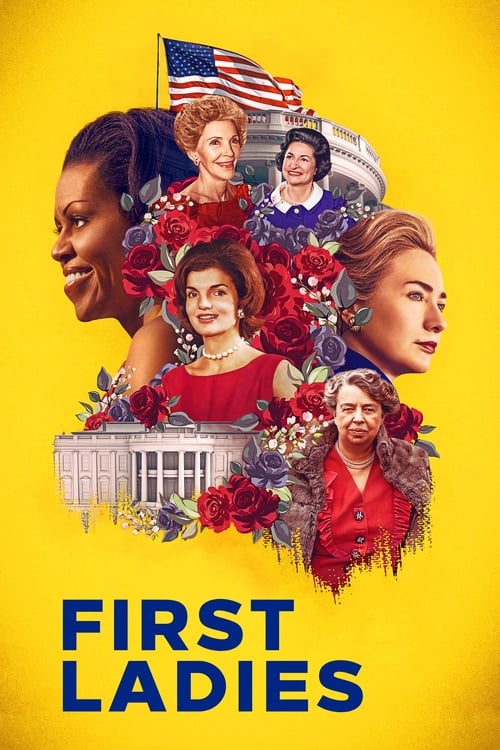
"First Ladies" season 1 opens with a dramatic portrayal of Eleanor Roosevelt, who is navigating the complexities of being the First Lady during her husband Franklin D. Roosevelt's presidency. The series begins in the early 1930s, showcasing Eleanor's struggle to find her voice in a male-dominated political landscape. She feels overshadowed by Franklin's political ambitions and the expectations placed upon her as First Lady.
In the first episode, Eleanor is depicted attending a formal event where she is expected to play the role of the supportive wife. However, she feels increasingly stifled by the constraints of her position. During the event, she overhears conversations about her husband's political strategies, which deepens her sense of isolation. This moment serves as a catalyst for her desire to become more involved in social issues, particularly those affecting women and the underprivileged.
As the narrative progresses, Eleanor begins to assert herself by hosting her own gatherings, where she invites activists and reformers to discuss pressing social issues. One pivotal scene shows her organizing a meeting with labor leaders, which causes tension with Franklin, who is concerned about the political ramifications of her actions. Eleanor's determination to advocate for workers' rights highlights her growing independence and commitment to social justice.
The series then shifts to a flashback of Eleanor's childhood, revealing her complicated relationship with her parents. This backstory provides insight into her motivations and the emotional scars that drive her to seek validation and purpose. The audience witnesses her struggles with self-esteem and the impact of her upbringing on her adult life.
In a significant turning point, Eleanor confronts Franklin about his infidelity, particularly his relationship with Lucy Mercer. This confrontation is emotionally charged, showcasing Eleanor's pain and anger. Despite the betrayal, she ultimately decides to stay with Franklin, recognizing the importance of their political partnership. This decision marks a crucial moment in her character development, as she chooses to prioritize her public role over her personal grievances.
As the season unfolds, Eleanor becomes increasingly involved in humanitarian efforts, including her work with the Red Cross and her advocacy for civil rights. A powerful scene depicts her visiting a segregated school, where she is visibly moved by the conditions faced by African American children. This experience solidifies her commitment to fighting for equality and justice.
The series also explores the dynamics between Eleanor and other First Ladies, such as Bess Truman and Jackie Kennedy. Their interactions reveal the varying approaches to the role of First Lady and the challenges each woman faces. Eleanor's mentorship of Bess, in particular, highlights her desire to empower other women in politics.
In the final episodes, Eleanor's activism reaches a peak as she becomes a delegate to the United Nations. The series culminates in a dramatic scene where she delivers a powerful speech advocating for human rights, showcasing her evolution from a reluctant First Lady to a formidable political figure in her own right. This moment is both triumphant and emotional, as it encapsulates her journey of self-discovery and her commitment to making a difference in the world.
The season concludes with Eleanor reflecting on her legacy and the impact she hopes to have on future generations. Her journey is portrayed as one of resilience, determination, and a relentless pursuit of justice, leaving a lasting impression on the audience about the role of women in politics.
Related Titles
Browse All Titles →





What is the ending?
In the final episode of "First Ladies," season 1, the narrative culminates in a powerful exploration of the personal and political struggles faced by the women in the White House. The episode focuses on Eleanor Roosevelt, Betty Ford, and Michelle Obama, each confronting their legacies and the impact of their roles as First Ladies. The episode concludes with a poignant reflection on their contributions and the challenges they faced, leaving viewers with a sense of admiration for their resilience and strength.
As the episode opens, we find Eleanor Roosevelt in a moment of introspection, reflecting on her journey and the societal changes she has championed. The scene is set in a dimly lit room filled with photographs and mementos from her time in the White House. She gazes at a portrait of her husband, Franklin D. Roosevelt, and her expression is a mix of pride and sorrow. The weight of her responsibilities as a First Lady is palpable, and she grapples with the expectations placed upon her.
Transitioning to Betty Ford, the scene shifts to her in a vibrant, sunlit garden, surrounded by blooming flowers. She is engaged in a candid conversation with a group of women, sharing her experiences with addiction and her advocacy for women's health issues. Her warmth and openness shine through as she encourages others to embrace their vulnerabilities. The emotional stakes are high as she reflects on her own struggles, revealing her determination to use her platform for positive change.
The narrative then moves to Michelle Obama, who is seen preparing for a public speaking engagement. The atmosphere is charged with anticipation as she practices her speech, her determination evident in her posture and tone. As she steps onto the stage, the audience erupts in applause, and her confidence radiates. Throughout her speech, she emphasizes the importance of resilience and empowerment, drawing from her own experiences as a First Lady. The scene captures the essence of her journey, highlighting her commitment to advocating for education and healthy living.
As the episode progresses, the three women's stories intertwine through flashbacks and parallel narratives, showcasing their individual struggles and triumphs. Each character faces moments of doubt and fear, yet they find strength in their convictions and the support of one another. The emotional weight of their experiences is underscored by the poignant music that accompanies their reflections.
In the closing scenes, the three women are depicted in a symbolic gathering, representing unity and the shared legacy of First Ladies. They stand together, looking out over a vast landscape, embodying the hope and progress they have fought for. The camera pans out, capturing the essence of their journeys and the impact they have made on future generations.
The episode concludes with a powerful message about the importance of resilience, advocacy, and the enduring influence of women in leadership roles. Each character's fate is left with a sense of fulfillment and purpose, as they continue to inspire others through their legacies. Eleanor Roosevelt, Betty Ford, and Michelle Obama emerge as symbols of strength, reminding viewers of the profound impact that First Ladies can have on society.
Is there a post-credit scene?
In the first season of "First Ladies," there is no post-credit scene. The episodes conclude without any additional content after the credits roll. Each episode focuses on the lives and contributions of various First Ladies, exploring their personal struggles, political influence, and the historical context in which they served. The storytelling is rich and detailed, providing a deep dive into their emotional states and motivations, but it does not include any post-credit sequences.
What challenges did Eleanor Roosevelt face during her time as First Lady?
Eleanor Roosevelt faced numerous challenges during her tenure as First Lady, including navigating her husband's polio diagnosis and the subsequent public perception of Franklin D. Roosevelt. She struggled with her own identity, often feeling overshadowed by her husband's political career. Eleanor also took on the role of a social reformer, advocating for civil rights and women's rights, which put her at odds with some traditionalists in society. Her emotional state fluctuated between determination to make a difference and the weight of public scrutiny.
How did Michelle Obama address issues of race and identity in her role as First Lady?
Michelle Obama confronted issues of race and identity head-on during her time as First Lady. She often reflected on her experiences as an African American woman in a predominantly white political landscape. In her public speeches and initiatives, she emphasized the importance of education and healthy living, while also addressing the stereotypes and challenges faced by people of color. Her emotional journey included moments of pride and vulnerability, as she sought to inspire young people to overcome societal barriers.
What role did Betty Ford play in advocating for women's health issues?
Betty Ford became a prominent advocate for women's health issues, particularly after her own battle with breast cancer. She openly discussed her diagnosis and treatment, which was groundbreaking at the time. Her emotional journey was marked by a desire to empower women to take charge of their health and seek help without stigma. Betty's candidness about her struggles with addiction and her subsequent recovery further solidified her role as a champion for women's rights and health awareness.
How did Lady Bird Johnson influence environmental policies during her time as First Lady?
Lady Bird Johnson had a significant impact on environmental policies, particularly through her 'Beautification of America' campaign. She was passionate about preserving natural beauty and promoting conservation efforts. Her emotional investment in the environment stemmed from her love for nature and her desire to leave a legacy for future generations. Lady Bird's initiatives included planting wildflowers along highways and advocating for clean air and water, showcasing her commitment to environmental issues.
What personal struggles did Jacqueline Kennedy face while in the public eye?
Jacqueline Kennedy faced immense personal struggles while in the public eye, including the assassination of her husband, President John F. Kennedy. This traumatic event left her grappling with grief and the pressure of maintaining her composure for the sake of the nation. Her emotional state was often a mix of sorrow, resilience, and a fierce determination to preserve her husband's legacy. Jacqueline also dealt with the challenges of being a fashion icon and a mother, striving to balance her public persona with her private pain.
Is this family friendly?
"First Ladies," season 1, explores the lives and challenges faced by various First Ladies throughout American history. While the show is educational and offers insights into the personal and political struggles of these women, it does contain some themes and scenes that may be considered objectionable or upsetting for children or sensitive viewers.
-
Political Tension: The series delves into the political climate of different eras, which may include discussions of conflict, betrayal, and the emotional toll of political life.
-
Personal Struggles: The First Ladies often face personal challenges, including marital issues, loss, and public scrutiny, which can be heavy themes for younger audiences.
-
Historical Context: Some episodes may touch on sensitive historical events, such as wars, civil rights struggles, and societal injustices, which could be distressing for some viewers.
-
Emotional Scenes: There are moments of deep emotional conflict, including scenes of sadness, disappointment, and frustration that reflect the personal sacrifices made by these women.
-
Depictions of Discrimination: The show may address issues of gender inequality and racism, which could be upsetting for some viewers, especially younger children who may not fully understand the context.
Overall, while "First Ladies" is a rich narrative that provides valuable lessons about resilience and leadership, it may not be suitable for all children due to its mature themes and emotional depth. Viewer discretion is advised.