






Popular
What are the key motivations of Oda Nobunaga in his quest for unification?
How does Toyotomi Hideyoshi rise to power after Nobunaga's death?
What role does Akechi Mitsuhide play in Nobunaga's downfall?
How does the relationship between Nobunaga and his retainers evolve throughout the series?
What is the significance of the Battle of Nagashino in the series?
Should I watch it?
Ask Your Own Question

What is the plot?
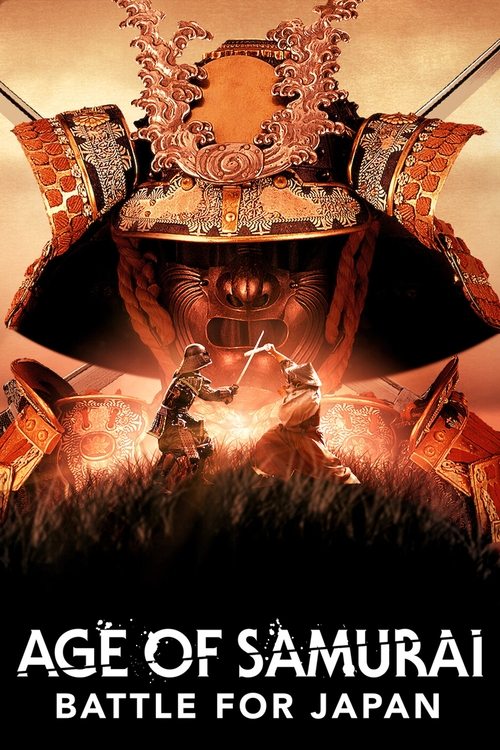
The series begins in the late 16th century during the Sengoku period in Japan, a time of constant military conflict and political intrigue. The narrative focuses on the rise of powerful samurai leaders, particularly Oda Nobunaga, Toyotomi Hideyoshi, and Tokugawa Ieyasu, as they vie for control over Japan.
The first episode introduces Oda Nobunaga, a ruthless and ambitious warlord. He is shown consolidating power in the Owari Province, where he employs brutal tactics to eliminate his enemies. Nobunaga's character is established as a visionary leader who believes in modernizing warfare and governance. His internal struggle is evident as he grapples with the loyalty of his retainers and the need to maintain control over his domain.
As Nobunaga's power grows, he faces opposition from the powerful Takeda clan, led by Takeda Shingen. The tension escalates when Nobunaga decides to confront Shingen, leading to a series of skirmishes. The battles are depicted with intense choreography, showcasing the strategic maneuvers of both sides. Nobunaga's forces, equipped with firearms, gain the upper hand, marking a significant turning point in his campaign.
In parallel, the series introduces Toyotomi Hideyoshi, a former peasant who rises through the ranks to become one of Nobunaga's most trusted generals. Hideyoshi's journey is marked by his cunning and resourcefulness. He is shown orchestrating a successful siege against a rival castle, demonstrating his military acumen. His loyalty to Nobunaga is unwavering, but he harbors ambitions of his own, which create an internal conflict as he navigates the treacherous political landscape.
The narrative shifts to Tokugawa Ieyasu, who is initially portrayed as a cautious and strategic leader. He forms an alliance with Nobunaga, recognizing the potential for power in supporting the warlord. However, Ieyasu's motivations are complex; he seeks to protect his own interests while also positioning himself for future dominance. His internal conflict is highlighted as he weighs loyalty against ambition.
As Nobunaga continues his campaign, he faces betrayal from within his ranks. A key retainer, Akechi Mitsuhide, grows disillusioned with Nobunaga's methods and begins to plot against him. The tension builds as Mitsuhide's motivations are explored, revealing a deep-seated desire for revenge and recognition. This subplot culminates in a dramatic confrontation at Honno-ji, where Mitsuhide leads a surprise attack on Nobunaga.
In a pivotal scene, Nobunaga is cornered in his temple, realizing the betrayal. The emotional weight of the moment is palpable as he reflects on his life and the choices that led him to this point. Rather than surrender, Nobunaga chooses to commit seppuku, a traditional act of ritual suicide, which underscores his warrior code and the tragic nature of his ambition.
Following Nobunaga's death, Hideyoshi seizes the opportunity to consolidate power. He quickly moves to eliminate Nobunaga's remaining enemies and secure his position as the new leader. The series depicts his strategic maneuvers, including the execution of rival samurai and the unification of various clans under his banner. Hideyoshi's rise is marked by both ruthless decisions and moments of compassion, showcasing the duality of his character.
As Hideyoshi solidifies his rule, Ieyasu watches from the sidelines, biding his time. He recognizes that while Hideyoshi is powerful, his reign is built on a fragile foundation. The tension between the two leaders grows, setting the stage for future conflict. Ieyasu's internal struggle is highlighted as he grapples with his loyalty to Hideyoshi and his own ambitions.
The series progresses to the Battle of Sekigahara, a climactic confrontation between Hideyoshi's forces and Ieyasu's coalition. The battle is depicted with intense detail, showcasing the chaos of war and the strategic brilliance of Ieyasu. As the tide turns in Ieyasu's favor, the emotional stakes rise, with both leaders facing the consequences of their choices.
In the aftermath of the battle, Ieyasu emerges victorious, solidifying his position as the dominant power in Japan. The series concludes with Ieyasu's ascension to shogunate, marking the beginning of a new era. His internal reflections reveal a complex character who has navigated betrayal, ambition, and the weight of leadership. The final scenes depict the lasting impact of the Sengoku period on Japan, leaving viewers with a sense of the cyclical nature of power and conflict.
More TV Shows Like This
Browse All TV Shows →







What is the ending?
In the ending of "Age of Samurai: Battle for Japan," the conflict culminates in the decisive Battle of Sekigahara, where the forces of Tokugawa Ieyasu clash with those loyal to Toyotomi Hideyori. The battle results in a significant victory for Tokugawa, leading to the establishment of his shogunate and the end of the Toyotomi clan's power. The series concludes with the consolidation of Tokugawa's rule, marking the beginning of a long period of peace in Japan, while the fates of the main characters are sealed in the aftermath of the battle.
As the final episodes unfold, the tension builds towards the Battle of Sekigahara, a pivotal moment in Japanese history. The scene opens with Tokugawa Ieyasu, a man of calculated ambition, preparing his troops. He stands on a hill overlooking the battlefield, his expression a mix of determination and the weight of responsibility. He knows that this battle will determine the future of Japan, and the stakes are higher than ever. His internal conflict is palpable; he is driven by a desire for power but also by a vision of stability for the nation.
Meanwhile, Toyotomi Hideyori, the last heir of the Toyotomi clan, is rallying his forces. He is portrayed as a young leader, filled with hope but also burdened by the legacy of his father, Toyotomi Hideyoshi. As he addresses his troops, his voice is filled with passion, but there is an underlying fear of failure. He knows that the odds are against him, and the loyalty of his allies is wavering. The emotional weight of his situation is evident as he grapples with the expectations placed upon him.
The battle begins with a thunderous clash of swords and the roar of war cries. The camera captures the chaos of the battlefield, with soldiers charging into combat, arrows raining down, and the sounds of clashing steel echoing through the air. Tokugawa's forces, well-prepared and strategically positioned, begin to gain the upper hand. The scene shifts to Hideyori, who fights valiantly but is increasingly aware of the dire situation. His desperation grows as he witnesses his men falling around him, and he realizes that the dream of a united Japan under his leadership is slipping away.
As the battle rages on, key characters face their fates. Tokugawa's loyal general, Ieyasu's right-hand man, fights fiercely, embodying the resolve of Tokugawa's vision. In contrast, Hideyori's loyal retainers, who have stood by him through thick and thin, are met with tragedy as they fall in battle, showcasing the personal sacrifices made in the name of loyalty and honor.
In the climax of the battle, Tokugawa's forces decisively defeat Hideyori's army. The camera lingers on Hideyori as he realizes the futility of his struggle. In a moment of despair, he retreats to his castle, where he ultimately meets his tragic end, choosing to take his own life rather than face capture. This act is a poignant reflection of his character's journey, highlighting the weight of his lineage and the burden of leadership.
As the dust settles on the battlefield, Tokugawa stands victorious, surveying the aftermath. His expression is a mix of triumph and somber reflection. He has achieved his goal, but at a great cost. The series concludes with Tokugawa's ascension to shogunate, marking the beginning of the Edo period, a time of peace and stability in Japan. The final scenes depict the transformation of the country under his rule, contrasting the chaos of war with the promise of a new era.
In summary, the fates of the main characters are sealed in the aftermath of the battle: Tokugawa Ieyasu emerges as the shogun, solidifying his power, while Toyotomi Hideyori's tragic end serves as a reminder of the fleeting nature of power and the heavy toll of ambition. The series closes on a note of reflection, emphasizing the complexities of leadership, loyalty, and the sacrifices made in the pursuit of a unified Japan.
Is there a post-credit scene?
"Age of Samurai: Battle for Japan" does not feature a post-credit scene. The series concludes its narrative without additional content after the credits, focusing instead on the historical events and character arcs throughout the episodes. The show wraps up the intense and dramatic storylines surrounding the samurai era in Japan, leaving viewers with a sense of closure regarding the conflicts and characters presented.
What are the key motivations of Oda Nobunaga in his quest for unification?
Oda Nobunaga is driven by a desire for power and control over Japan, seeking to end the chaos of the Sengoku period. His ambition is fueled by a vision of a unified nation, and he is willing to employ ruthless tactics to eliminate his rivals. Nobunaga's internal conflict often revolves around balancing his brutal methods with the need to gain the loyalty of his followers and the populace.
How does Toyotomi Hideyoshi rise to power after Nobunaga's death?
After Oda Nobunaga's assassination, Toyotomi Hideyoshi capitalizes on the chaos to consolidate power. He uses his strategic acumen and charisma to rally Nobunaga's former allies and enemies alike. Hideyoshi's rise is marked by his ability to navigate the political landscape, employing both diplomacy and military might, while also grappling with the legacy of Nobunaga and his own insecurities about his lowly origins.
What role does Akechi Mitsuhide play in Nobunaga's downfall?
Akechi Mitsuhide, once a loyal general of Oda Nobunaga, becomes disillusioned with Nobunaga's increasingly tyrannical rule. His motivations are complex, stemming from personal grievances and a belief that Nobunaga's death could lead to a more just governance. Mitsuhide's betrayal culminates in the pivotal event of the Honno-ji Incident, where he orchestrates a surprise attack, leading to Nobunaga's demise.
How does the relationship between Nobunaga and his retainers evolve throughout the series?
The relationship between Nobunaga and his retainers is fraught with tension and loyalty. Initially, Nobunaga commands respect and fear, but as his methods become more brutal, some retainers begin to question their allegiance. This evolution is marked by moments of camaraderie and betrayal, showcasing the internal struggles of characters like Mitsuhide and Hideyoshi as they navigate their loyalty to Nobunaga against their own ambitions.
What is the significance of the Battle of Nagashino in the series?
The Battle of Nagashino is a turning point in the series, showcasing Oda Nobunaga's innovative military strategies, particularly the use of firearms. This battle not only highlights Nobunaga's tactical genius but also serves as a demonstration of his ability to adapt to changing warfare dynamics. The emotional stakes are high, as the battle represents a clash of old and new, with Nobunaga's forces facing the traditional samurai cavalry, ultimately leading to a decisive victory that cements his power.
Is this family friendly?
"Age of Samurai: Battle for Japan" is a historical docuseries that explores the tumultuous period of the Sengoku era in Japan. While it provides a rich narrative and visual representation of samurai culture, it contains several elements that may not be suitable for children or sensitive viewers.
-
Violence and Warfare: The series depicts numerous battles, showcasing the brutality of samurai combat. There are scenes of sword fighting, bloodshed, and the aftermath of battles, which may be graphic and intense.
-
Death and Loss: The narrative includes themes of death, betrayal, and the emotional toll of war. Characters experience significant loss, which can be distressing.
-
Historical Context of Conflict: The series addresses the political intrigue and power struggles of the time, including assassination plots and the harsh realities of feudal Japan.
-
Mature Themes: The exploration of loyalty, honor, and the moral complexities of war may present challenging concepts for younger audiences.
-
Emotional Turmoil: Characters often grapple with feelings of despair, anger, and vengeance, which can evoke strong emotional responses.
Due to these elements, parental discretion is advised when considering this series for younger viewers or those who may be sensitive to such themes.