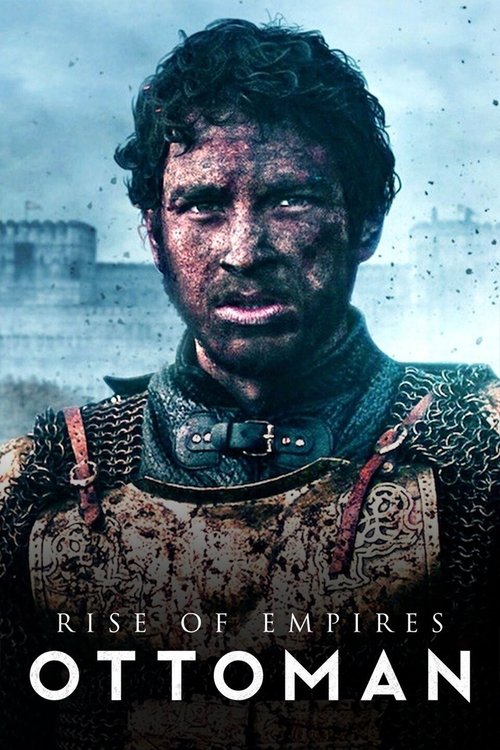









Popular
What motivates Mehmed II to conquer Constantinople?
How does the character of Constantine XI evolve throughout the series?
What role does the siege of Constantinople play in the development of Mehmed II's character?
How does the relationship between Mehmed II and his advisors influence the outcome of the siege?
What are the key strategies employed by Mehmed II during the siege?
Should I watch it?
Ask Your Own Question

What is the plot?
The series begins in 1453, with the backdrop of the Byzantine Empire's capital, Constantinople, under siege by the Ottoman Empire led by Sultan Mehmed II. The city is depicted as a vibrant yet crumbling metropolis, filled with desperate citizens and determined defenders. The narrative introduces key characters, including Mehmed II, who is portrayed as ambitious and strategic, and the Byzantine Emperor Constantine XI, who is resolute in his defense of the city.
As the siege commences, Mehmed II gathers his forces, showcasing his military prowess and determination to conquer Constantinople. He employs innovative tactics, including the use of massive cannons designed by the Hungarian engineer Orban, which are pivotal in breaching the city's formidable walls. The emotional weight of Mehmed's ambition is palpable as he reflects on his desire to restore the glory of the Ottoman Empire and fulfill his vision of a united Islamic world.
Meanwhile, inside Constantinople, Emperor Constantine XI rallies his troops and citizens, emphasizing the importance of their fight for survival. The defenders are shown preparing for the impending assault, with scenes of soldiers fortifying the walls and civilians seeking refuge. The tension builds as the citizens grapple with fear and hope, showcasing their loyalty to the emperor and their city.
As the siege intensifies, the Ottomans launch their first major assault on the city walls. The scene is chaotic, filled with the sounds of battle, clashing swords, and the thunderous roar of cannon fire. The defenders fight valiantly, but the sheer force of the Ottoman army begins to take its toll. Mehmed II's strategic mind is highlighted as he adapts his tactics in real-time, pushing his forces to exploit weaknesses in the Byzantine defenses.
In a pivotal moment, the Ottomans manage to breach a section of the wall, leading to fierce hand-to-hand combat within the city. The defenders, though outnumbered, display incredible bravery, but the tide of battle begins to turn in favor of the Ottomans. The emotional stakes rise as key characters face life-and-death situations, with some defenders making the ultimate sacrifice to protect their city.
As the siege drags on, the psychological toll on both sides becomes evident. Mehmed II is shown grappling with the weight of leadership and the expectations placed upon him, while Constantine XI remains steadfast, refusing to abandon his people. The series delves into their internal struggles, revealing their motivations and the burdens they carry as leaders in a time of crisis.
The narrative takes a dramatic turn when Mehmed II decides to employ a night assault, catching the defenders off guard. The scene is tense and filled with suspense as the Ottomans infiltrate the city under the cover of darkness. The chaos of the night battle is vividly depicted, with characters experiencing fear, confusion, and the adrenaline of combat. The defenders, realizing the threat, scramble to regroup and mount a defense.
As dawn breaks, the Ottomans gain significant ground within the city. The emotional weight of loss and despair is felt deeply among the defenders, who witness their comrades falling around them. Constantine XI, in a moment of desperation, rallies his remaining forces for one final stand, urging them to fight for their homeland and their faith.
In the climactic final battle, the remaining defenders make a last-ditch effort to repel the Ottoman forces. The scene is filled with intense action, showcasing the bravery and determination of the Byzantine soldiers. However, despite their valiant efforts, the overwhelming numbers and strategic prowess of Mehmed II's forces prove too much to overcome.
Ultimately, the Ottomans succeed in capturing Constantinople. The emotional aftermath is profound, with Mehmed II entering the city, a mix of triumph and solemnity on his face. The once-great city, now under Ottoman control, is depicted as a place of both victory and loss, with the remnants of its former glory juxtaposed against the new reality of Ottoman rule.
The series concludes with Mehmed II reflecting on his conquest, contemplating the future of the empire he has built and the legacy he will leave behind. The final scenes capture the transformation of Constantinople, now Istanbul, symbolizing the end of an era and the beginning of a new chapter in history.
More TV Shows Like This
Browse All TV Shows →




What is the ending?
In the ending of "Rise of Empires: Ottoman," Mehmed II successfully conquers Constantinople, marking a significant turning point in history. The city falls after a fierce battle, leading to the end of the Byzantine Empire. The series concludes with Mehmed solidifying his power and vision for the future, while the remnants of the Byzantine leadership face their defeat.
As the final episodes unfold, the tension escalates in the lead-up to the siege of Constantinople. The city, under the command of Emperor Constantine XI, is fortified and prepared for the impending assault. The atmosphere is thick with anxiety and determination as both sides brace for the confrontation that will determine the fate of empires.
Scene 1: The Siege Begins The sun rises over the ancient walls of Constantinople, casting a golden hue on the city. Mehmed II, portrayed as a young yet ambitious leader, stands before his assembled troops. His eyes gleam with resolve as he delivers a rousing speech, igniting the spirits of his soldiers. The camera captures the diverse faces of the Ottoman army, each man driven by a mix of loyalty, fear, and hope. As the siege begins, the sound of cannon fire echoes through the air, shaking the very foundations of the city.
Scene 2: The Defense of Constantinople Inside the city, Emperor Constantine XI rallies his defenders. The citizens, filled with dread yet unwavering in their loyalty, prepare for the onslaught. The walls of Constantinople, a symbol of resilience, are manned by soldiers who are determined to protect their home. The tension is palpable as the Ottomans launch their first attacks, and the defenders respond with fierce resistance. The clash of swords and the cries of battle fill the air, painting a vivid picture of desperation and valor.
Scene 3: The Turning Point As days pass, the siege intensifies. Mehmed II employs innovative tactics, including the use of massive cannons that breach the once-impenetrable walls. The defenders, though brave, begin to falter under the relentless assault. The emotional weight of the struggle is evident on Constantine's face as he grapples with the reality of their dwindling chances. He remains steadfast, urging his men to fight on, but the toll of the siege is evident in their weary eyes.
Scene 4: The Fall of Constantinople In a climactic moment, the walls of Constantinople finally give way. The Ottomans surge into the city, and chaos ensues. The camera captures the horror and despair of the defenders as they realize their defeat. Constantine XI fights valiantly but ultimately meets his end, choosing to die a warrior's death rather than surrender. His sacrifice becomes a poignant symbol of the city's last stand.
Scene 5: A New Era With the city under Ottoman control, Mehmed II stands amidst the ruins, a mixture of triumph and solemnity on his face. He surveys the fallen city, understanding the weight of his victory. The series concludes with Mehmed's vision for a new empire, one that will blend cultures and religions. The final scenes depict the transformation of Constantinople into Istanbul, a city that will rise from the ashes of its past.
In the end, Mehmed II emerges as a powerful ruler, having achieved his goal of conquest. The remnants of the Byzantine leadership, including the fallen Emperor Constantine, are left as echoes of a bygone era. The series closes on a note of historical significance, emphasizing the profound impact of this conquest on the course of history.
Is there a post-credit scene?
"Rise of Empires: Ottoman" does not feature a post-credit scene. The series concludes its narrative without any additional scenes or content after the credits roll. The focus remains on the historical events surrounding the fall of Constantinople and the characters involved, wrapping up the story in a way that emphasizes the significance of the events depicted throughout the episodes.
What motivates Mehmed II to conquer Constantinople?
Mehmed II, also known as Mehmed the Conqueror, is driven by a deep desire to fulfill his father's ambitions and to establish himself as a formidable ruler. His motivations are rooted in a mix of personal ambition, a sense of destiny, and the need to secure the Ottoman Empire's power. He views the conquest of Constantinople not only as a strategic military goal but also as a means to solidify his legacy and demonstrate his strength as a leader.
How does the character of Constantine XI evolve throughout the series?
Constantine XI, the last Byzantine Emperor, is portrayed as a determined and resilient leader who is deeply committed to defending his city. Throughout the series, his character evolves from a ruler facing the inevitable decline of his empire to a symbol of hope and resistance. His internal struggles are palpable as he grapples with the weight of his responsibilities, the loyalty of his people, and the looming threat of Mehmed II's forces. His emotional state fluctuates between despair and resolve, showcasing his dedication to his city and his people.
What role does the siege of Constantinople play in the development of Mehmed II's character?
The siege of Constantinople is pivotal in the development of Mehmed II's character. As he orchestrates the complex military strategies and faces the challenges of the siege, he transforms from a young, ambitious prince into a calculated and ruthless conqueror. The pressure of leadership and the stakes of the siege force him to confront his own vulnerabilities and insecurities. His interactions with his advisors and soldiers reveal his growing confidence and determination, as well as the moral dilemmas he faces in pursuit of his goals.
How does the relationship between Mehmed II and his advisors influence the outcome of the siege?
The relationship between Mehmed II and his advisors is crucial to the outcome of the siege. His chief advisor, Zaganos Pasha, provides strategic military insights and counsel, while other advisors offer differing perspectives that challenge Mehmed's decisions. This dynamic creates tension and conflict, as Mehmed must balance his own vision with the advice of those around him. The trust and loyalty he builds with his advisors ultimately shape his strategies and decisions during the siege, leading to the successful conquest of Constantinople.
What are the key strategies employed by Mehmed II during the siege?
Mehmed II employs several key strategies during the siege of Constantinople that showcase his military acumen. He utilizes massive cannons to breach the city's formidable walls, demonstrating innovative artillery tactics. Additionally, he orchestrates a blockade to cut off supplies to the city, weakening the defenders. His use of deception and psychological warfare, including feigned retreats and misinformation, plays a significant role in undermining the morale of the Byzantine defenders. These strategies reflect his understanding of both military tactics and the importance of psychological dominance in warfare.
Is this family friendly?
"Rise of Empires: Ottoman" is a historical docudrama that depicts the events surrounding the fall of Constantinople in 1453. While it offers a rich narrative and educational insights into this pivotal moment in history, it does contain several elements that may not be suitable for children or sensitive viewers.
-
Violence and Warfare: The series portrays battles and sieges, including scenes of combat, which may include graphic depictions of injuries and death. The intensity of these scenes can be unsettling.
-
Death and Destruction: The fall of Constantinople involves significant loss of life and destruction of property, which is depicted in a way that emphasizes the tragedy of war.
-
Emotional Turmoil: Characters experience intense emotional states, including fear, despair, and loss. These moments can be heavy and may resonate deeply with viewers.
-
Historical Context: The series addresses themes of conquest, power struggles, and the impact of war on civilians, which may be complex and difficult for younger audiences to fully grasp.
-
Cultural and Religious Tensions: The narrative explores the clash between different cultures and religions, which may raise questions or provoke discomfort for some viewers.
Overall, while "Rise of Empires: Ottoman" is a compelling historical drama, its content may be more appropriate for older teens and adults rather than younger children.