







Popular
What motivates Mehmed II in his conflict with Vlad the Impaler?
How does Vlad the Impaler's character develop throughout the season?
What are the key strategies employed by Mehmed II during the conflict with Vlad?
How does the relationship between Mehmed II and Vlad the Impaler evolve throughout the series?
What role do the supporting characters play in the conflict between Mehmed and Vlad?
Should I watch it?
Ask Your Own Question

What is the plot?
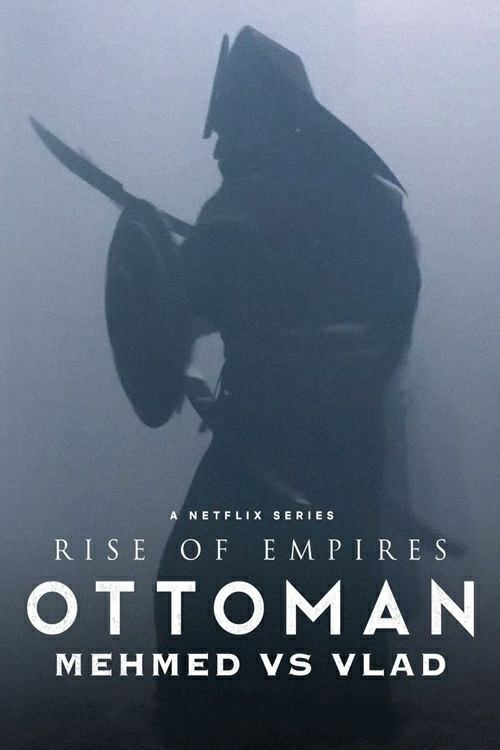
In the opening scenes of "Rise of Empires: Ottoman" Season 2, titled "Mehmed vs. Vlad," the narrative sets the stage in the late 15th century, focusing on the tense relationship between Mehmed II, the Sultan of the Ottoman Empire, and Vlad III, known as Vlad the Impaler, the ruler of Wallachia. The episode begins with a sweeping view of the Ottoman Empire, showcasing its vast territories and the growing ambitions of Mehmed, who is determined to expand his empire further into Europe.
As the story unfolds, we see Mehmed strategizing with his advisors about the threat posed by Vlad. The tension is palpable as they discuss Vlad's reputation for brutality and his fierce resistance against Ottoman expansion. Mehmed is portrayed as a calculated leader, weighing the risks of engaging Vlad while also feeling the pressure to assert his dominance. His internal conflict is evident; he is torn between the desire for conquest and the need to maintain stability within his empire.
The narrative shifts to Vlad, who is depicted in his castle, surrounded by his loyal followers. He is shown as a fierce and cunning leader, deeply aware of the Ottoman threat. Vlad's motivations are rooted in his desire to protect his homeland and assert his power. He is haunted by his past and the betrayals he has faced, which fuels his determination to resist Mehmed at all costs. The audience witnesses Vlad's brutal methods as he prepares his forces, showcasing his willingness to employ fear as a weapon against his enemies.
As the two leaders prepare for conflict, the story delves into the personal histories of Mehmed and Vlad. Flashbacks reveal their childhoods, highlighting the formative experiences that shaped their characters. Mehmed's upbringing in the Ottoman court instilled in him a sense of duty and ambition, while Vlad's experiences of betrayal and violence fostered a deep-seated desire for revenge and control. These backstories provide context for their impending clash.
The first major confrontation occurs when Mehmed sends an envoy to Vlad, demanding his submission. Vlad's response is defiant; he refuses to bow to Mehmed, declaring his intention to fight. This pivotal moment sets the stage for the escalating conflict between the two leaders. The tension between them is palpable, and both men are shown preparing their armies for the inevitable battle.
As the armies gather, the cinematography captures the scale of the forces involved. Mehmed's troops are depicted as disciplined and well-equipped, while Vlad's forces are portrayed as fierce and motivated by a desire for freedom. The contrasting visuals emphasize the differing philosophies of the two leaders. Mehmed's strategic approach is juxtaposed with Vlad's more chaotic and brutal tactics.
The battle begins with a series of skirmishes, showcasing the ferocity of both sides. The choreography of the fight scenes is intense, with close combat and strategic maneuvers. Mehmed's forces attempt to outflank Vlad's troops, while Vlad employs guerrilla tactics, using the terrain to his advantage. The chaos of battle is depicted through close-ups of soldiers' faces, capturing their fear, determination, and the brutality of war.
As the conflict escalates, Vlad's forces suffer significant losses, leading to a moment of desperation. In a key decision, Vlad chooses to retreat to the mountains, hoping to regroup and launch a counterattack. This decision reflects his resilience and unwillingness to surrender, even in the face of overwhelming odds. The emotional weight of this moment is palpable, as Vlad grapples with the fear of losing his homeland.
Meanwhile, Mehmed capitalizes on his victory, pushing deeper into Wallachia. He is shown as a confident leader, but there are moments of doubt as he contemplates the cost of war. His advisors urge him to press on, but Mehmed is haunted by the violence and destruction he witnesses. This internal struggle adds depth to his character, revealing the burden of leadership.
The narrative then shifts back to Vlad, who is rallying his remaining forces. He delivers a passionate speech, igniting a sense of unity and purpose among his men. This moment is crucial, as it highlights Vlad's ability to inspire loyalty despite the dire circumstances. The emotional stakes are raised as the audience sees the bond between Vlad and his soldiers, emphasizing their shared commitment to fight for their homeland.
In a climactic sequence, Vlad launches a surprise counterattack against Mehmed's forces. The battle is intense, with both sides suffering heavy casualties. The choreography of the fight is meticulously crafted, showcasing the brutality of medieval warfare. Vlad's forces, fueled by desperation and a desire for revenge, manage to push back Mehmed's troops, creating a moment of hope amidst the chaos.
However, the tide of battle shifts once again as Mehmed's reinforcements arrive. The scene is filled with tension as the two armies clash once more. Mehmed's strategic prowess comes to the forefront as he adapts to Vlad's tactics, leading to a fierce confrontation between the two leaders. The emotional stakes are high as they finally come face to face, each embodying their respective ideologies.
In the final moments of the episode, the battle reaches a fever pitch. Vlad and Mehmed engage in a brutal duel, showcasing their physical prowess and determination. The fight is intense, filled with close calls and moments of vulnerability. As the duel progresses, both leaders are pushed to their limits, revealing their inner struggles and motivations.
The episode concludes with a cliffhanger, leaving the outcome of the battle uncertain. The audience is left with a sense of anticipation as the conflict between Mehmed and Vlad escalates, setting the stage for further confrontations in the series. The emotional weight of the characters' journeys is palpable, and the stakes have never been higher as both leaders prepare for the next phase of their epic struggle.


What is the ending?
In the ending of "Rise of Empires: Ottoman" Season 2, titled "Mehmed vs. Vlad," the conflict between Mehmed II and Vlad the Impaler reaches its climax. Mehmed's forces successfully lay siege to Vlad's stronghold, leading to a decisive confrontation. Vlad, facing overwhelming odds, ultimately meets his demise, while Mehmed solidifies his power and reputation as a formidable ruler.
As the final scenes unfold, the tension escalates. Mehmed II, determined to expand his empire, leads his troops with a fierce resolve. The siege of Vlad's fortress is intense, with both sides suffering heavy losses. Vlad, known for his brutal tactics, fights valiantly but is ultimately outmatched. In a dramatic showdown, he is cornered and killed, marking the end of his reign of terror. Mehmed, though victorious, reflects on the cost of war and the heavy burden of leadership.
The final act of "Rise of Empires: Ottoman" Season 2 begins with the sun rising over the besieged fortress of Vlad the Impaler. The air is thick with tension as Mehmed II, clad in armor, stands before his assembled troops. His face is a mask of determination, yet there is a flicker of doubt in his eyes, a reflection of the weight of his ambitions. He rallies his men, reminding them of the glory that awaits them should they succeed in taking Vlad's stronghold.
As the siege begins, the camera pans over the fortress walls, where Vlad's defenders prepare for the onslaught. The atmosphere is charged with fear and anticipation. Vlad, portrayed with a fierce intensity, stands resolute, his mind racing with strategies to outsmart Mehmed. He knows the stakes; his legacy and life hang in the balance. The sound of clashing swords and the cries of soldiers fill the air as the battle erupts.
The siege is brutal. Mehmed's forces employ various tactics, including artillery bombardments and direct assaults. The scene shifts between the chaos of battle and the strategic discussions among Mehmed's generals, who express concern over the heavy casualties. Mehmed, however, remains steadfast, driven by his vision of a united empire. His internal conflict is palpable; he grapples with the morality of his actions, yet the desire for power propels him forward.
Meanwhile, Vlad fights with a ferocity that is both terrifying and admirable. He leads his men into battle, embodying the spirit of a warrior king. The camera captures his fierce gaze and the blood-soaked ground beneath his feet, a testament to his ruthless reputation. As the siege continues, Vlad's desperation grows. He realizes that his tactics of fear and brutality may not be enough to save him this time.
In a pivotal moment, Mehmed orders a final assault on the fortress. The scene is chaotic, filled with the sounds of war--shouts, the clash of metal, and the cries of the wounded. As Mehmed's forces breach the gates, the tide of battle turns decisively in his favor. The camera follows Mehmed as he leads the charge, his face a mixture of triumph and sorrow as he witnesses the destruction around him.
The confrontation between Mehmed and Vlad is inevitable. In the heart of the fortress, they finally come face to face. The tension is electric, both men embodying the weight of their respective legacies. Vlad, cornered and wounded, fights with the last remnants of his strength, but Mehmed, fueled by his ambition and the desire to end Vlad's reign, ultimately prevails. The scene is visceral, capturing the raw emotion of their clash--Vlad's defiance against the overwhelming force of Mehmed's will.
As Vlad falls, the camera lingers on his face, capturing the moment of defeat and the realization of his fate. Mehmed stands over him, a complex mix of victory and sorrow etched on his features. The war is won, but the cost is evident in the devastation surrounding them. Mehmed's victory solidifies his reputation, but it also leaves him with a heavy heart, reflecting on the lives lost and the sacrifices made.
In the aftermath, Mehmed surveys the battlefield, the remnants of both armies scattered around him. He understands that while he has achieved his goal, the path of conquest is fraught with pain and loss. The final scenes depict Mehmed returning to his camp, where he is met with cheers from his soldiers, yet his expression remains somber. He knows that the legacy of war will haunt him, and the cycle of violence may continue.
The series concludes with Mehmed's ascension as a powerful ruler, but it leaves viewers with a poignant reminder of the human cost of ambition and the complexities of leadership. Vlad's fate is sealed, his reign ended, while Mehmed stands at the precipice of greatness, burdened by the weight of his choices. The screen fades to black, leaving the audience to ponder the implications of power, legacy, and the true nature of victory.
Is there a post-credit scene?
In "Rise of Empires: Ottoman" Season 2, titled "Mehmed vs. Vlad," there is no post-credit scene. The series concludes its narrative without additional scenes after the credits, focusing instead on the resolution of the central conflict between Mehmed II and Vlad the Impaler. The final moments of the season encapsulate the intense rivalry and the historical implications of their encounters, leaving viewers with a sense of closure regarding the characters' arcs and the broader historical context. The emphasis remains on the dramatic storytelling and the emotional weight of the events leading up to the conclusion, rather than extending the narrative with a post-credit sequence.
What motivates Mehmed II in his conflict with Vlad the Impaler?
Mehmed II, also known as Mehmed the Conqueror, is driven by a desire to expand the Ottoman Empire and solidify his legacy as a powerful ruler. His ambition to conquer territories and assert dominance over his enemies, particularly Vlad the Impaler, is fueled by a mix of personal ambition and the strategic importance of the region.
How does Vlad the Impaler's character develop throughout the season?
Vlad the Impaler is portrayed as a complex character, torn between his brutal reputation and his desire to protect his homeland. As the season progresses, his internal struggles become more pronounced, revealing his motivations rooted in a fierce loyalty to his people and a deep-seated fear of losing his power to the Ottomans.
What are the key strategies employed by Mehmed II during the conflict with Vlad?
Mehmed II employs a combination of military tactics, including the use of artillery and psychological warfare, to undermine Vlad's defenses. He also seeks to form alliances with local powers to isolate Vlad and weaken his position, showcasing his strategic acumen and adaptability in warfare.
How does the relationship between Mehmed II and Vlad the Impaler evolve throughout the series?
The relationship between Mehmed II and Vlad the Impaler is marked by mutual respect and animosity. Initially, they are adversaries with a deep-seated rivalry, but as the conflict escalates, they come to understand each other's motivations and the stakes involved, leading to moments of tension and unexpected encounters.
What role do the supporting characters play in the conflict between Mehmed and Vlad?
Supporting characters, such as military advisors, family members, and local leaders, play crucial roles in shaping the decisions and actions of both Mehmed and Vlad. They provide counsel, challenge their leaders' choices, and often serve as catalysts for key plot developments, highlighting the broader implications of the conflict on the region.
Is this family friendly?
"Rise of Empires: Ottoman" Season 2, titled "Mehmed vs. Vlad," contains several elements that may not be suitable for children or sensitive viewers. Here are some potentially objectionable aspects:
-
Violence and Warfare: The series depicts battles and military strategies, showcasing the brutality of war. Scenes may include combat, bloodshed, and the aftermath of violence, which could be distressing.
-
Death and Suffering: Characters experience loss, and there are moments of emotional turmoil related to death and the impact of war on families and communities.
-
Historical Atrocities: The show addresses themes of conquest and the harsh realities of historical conflicts, which may include depictions of suffering and oppression.
-
Dark Themes: The narrative explores themes of betrayal, power struggles, and the moral complexities of leadership, which may be heavy for younger audiences.
-
Intense Emotional Moments: Characters face significant personal challenges and moral dilemmas, leading to intense emotional scenes that may be upsetting.
These elements contribute to a mature tone, making the series more suitable for older teens and adults rather than a family-friendly viewing experience.









