









Popular
What strategies did Mehmed II employ to breach the walls of Constantinople?
How did the character of Constantine XI portray the challenges faced by the Byzantine Empire?
What role did the Janissaries play in the Ottoman siege of Constantinople?
How did the use of cannons change the dynamics of warfare during the siege?
What were the key moments that led to the fall of Constantinople?
Should I watch it?
Ask Your Own Question

What is the plot?
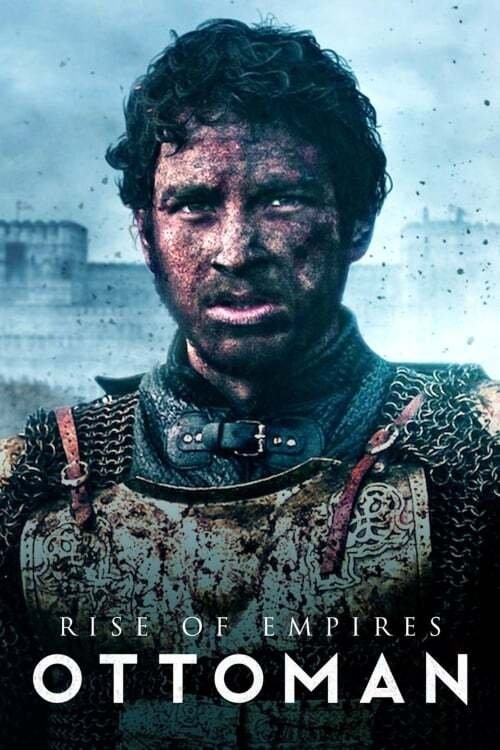
The series opens in the year 1451, with Sultan Mehmed II, known as Mehmed the Conqueror, preparing to lay siege to Constantinople, the capital of the Byzantine Empire. He is determined to capture the city, which has long been a symbol of Christian power. The narrative introduces Mehmed as a young but ambitious leader, driven by a desire to expand his empire and fulfill his father's legacy. He gathers his advisors and military leaders, discussing strategies and the importance of the conquest.
As preparations begin, the audience is introduced to the Byzantine Emperor Constantine XI, who is aware of the impending threat. He rallies his people, emphasizing the need for unity and resilience against the Ottoman forces. The emotional weight of his leadership is palpable as he reflects on the city's history and the dire situation they face. He knows that the fall of Constantinople would mean the end of the Byzantine Empire.
Mehmed orders the construction of a massive cannon, designed by the Hungarian engineer Urban, to breach the formidable walls of Constantinople. The cannon becomes a symbol of Ottoman military innovation. Urban, initially seeking wealth and glory, is motivated by the chance to prove his genius and secure his place in history. The construction of the cannon is a monumental task, showcasing the determination and resources of the Ottomans.
As the Ottoman forces gather, Mehmed's army is shown to be vast and diverse, comprising soldiers from various backgrounds. The emotional atmosphere is charged with anticipation and fear. Mehmed's leadership style is revealed as he inspires his troops, instilling a sense of purpose and destiny in them. He emphasizes the importance of faith and the promise of glory in battle.
The siege begins in April 1453, with the Ottomans surrounding Constantinople. The Byzantine defenders, though outnumbered, are determined to protect their city. The initial skirmishes are intense, with both sides suffering casualties. The audience witnesses the desperation of the Byzantines as they attempt to fortify their defenses, while Mehmed's forces employ various tactics to breach the walls.
As the siege progresses, Mehmed orders the use of the massive cannon against the city walls. The first shots are devastating, causing significant damage. The sound of the cannon fire echoes through the city, instilling fear among the defenders. The emotional toll on the Byzantines is evident as they witness their once-impenetrable walls being breached.
In response to the Ottoman assault, Constantine XI rallies his troops for a counterattack. The defenders launch a desperate sortie, attempting to push back the Ottomans. The battle is chaotic, with hand-to-hand combat and the clash of swords. Constantine fights alongside his men, embodying the spirit of resistance. However, the Ottoman forces are relentless, and the Byzantines struggle to maintain their ground.
As the siege continues, Mehmed employs psychological warfare, sending messages to the defenders, urging them to surrender. He offers them mercy and a chance to keep their lives if they capitulate. The emotional strain on the Byzantine defenders grows as they grapple with the reality of their situation. Some begin to lose hope, while others remain steadfast in their resolve.
The turning point comes when the Ottomans manage to breach a section of the wall. The defenders are thrown into disarray as the Ottomans pour into the city. The chaos of the invasion is depicted vividly, with scenes of destruction and panic. Constantine XI fights valiantly but realizes the situation is dire. He makes the heart-wrenching decision to lead a final stand, urging his men to fight to the last.
As the Ottomans flood into Constantinople, the city falls into chaos. The emotional weight of the moment is heavy as the Byzantines face the reality of defeat. Mehmed enters the city, witnessing the aftermath of the battle. His initial triumph is mixed with the sobering realization of the cost of conquest. The streets are filled with the sounds of victory and despair, as the Ottomans celebrate their hard-fought victory while the remnants of the Byzantine defenders mourn their loss.
In the aftermath, Mehmed declares Constantinople as the new capital of the Ottoman Empire, symbolizing the end of the Byzantine era. The city is transformed, with Mehmed envisioning a new future for it as a center of culture and power. The emotional landscape shifts as the Ottomans begin to rebuild, while the echoes of the past linger in the air. The series concludes with a sense of both triumph and tragedy, encapsulating the complex legacy of the conquest.


What is the ending?
In the ending of "Rise of Empires: Ottoman," the city of Constantinople falls to the Ottoman Empire after a prolonged siege. Sultan Mehmed II successfully breaches the city's formidable walls, leading to chaos and bloodshed within the city. The last Byzantine Emperor, Constantine XI, fights valiantly but ultimately meets his demise. The fall of Constantinople marks a significant turning point in history, symbolizing the end of the Byzantine Empire and the rise of Ottoman power.
As the final scenes unfold, the camera captures the intense atmosphere of the siege. The Ottomans, led by Sultan Mehmed II, have been relentlessly attacking the city for weeks. The sound of cannon fire echoes through the air, and the once-mighty walls of Constantinople begin to crumble under the weight of the Ottoman artillery. The tension is palpable as both sides prepare for the final assault.
Scene by scene, the narrative progresses:
The first scene shows the Ottoman forces gathering for one last push against the city. Sultan Mehmed II, portrayed as a determined and strategic leader, stands before his troops, rallying them with a passionate speech. His eyes reflect a mix of ambition and the weight of history, as he knows that the fate of his empire rests on this moment.
In the next scene, the Byzantine defenders, led by Emperor Constantine XI, are shown preparing for the impending attack. The camera captures the desperation in their eyes as they fortify their positions. Constantine, a figure of resilience, is seen encouraging his soldiers, instilling a sense of hope despite the overwhelming odds. His internal struggle is evident; he knows the city's fall could mean the end of his reign and the Byzantine legacy.
As the sun rises, the final assault begins. The Ottomans launch a coordinated attack, and the sound of clashing swords and cries of battle fills the air. The camera shifts between the chaos of the battlefield and the strategic maneuvers of Mehmed, who directs his forces with precision. The walls of Constantinople, once thought impenetrable, begin to show signs of weakness, and the tension escalates.
In a pivotal moment, the Ottomans breach the walls, and the defenders are thrown into disarray. The camera captures the horror and chaos as the Ottoman soldiers flood into the city. The streets, once bustling with life, become a scene of turmoil and despair. Constantine fights bravely, leading his men into battle, but the overwhelming numbers of the Ottomans begin to take their toll.
As the battle rages on, the narrative focuses on Constantine's final stand. He is seen fighting valiantly, refusing to surrender even as his forces dwindle. The emotional weight of his character is palpable; he embodies the last hope of a dying empire. In a heart-wrenching moment, he realizes that defeat is inevitable. He makes the decision to fight to the end, symbolizing his unwavering commitment to his people and his city.
The climax of the episode arrives when Constantine is ultimately surrounded. The camera captures his fierce determination as he faces his enemies, but it is clear that he is outnumbered. In a final act of defiance, he charges into the fray, and the screen fades to black as the sounds of battle echo in the background.
In the aftermath, the city falls completely to the Ottomans. Sultan Mehmed II stands victorious, surveying the ruins of Constantinople. His expression is a mix of triumph and solemnity, recognizing the weight of what he has achieved. The fall of the city signifies not just a military victory but a monumental shift in the course of history.
The final scenes depict the transformation of Constantinople into Istanbul, showcasing the beginning of a new era under Ottoman rule. The camera pans over the city, now filled with Ottoman banners, as the once-great Byzantine structures are repurposed. The emotional resonance of the fall is felt deeply, as the legacy of the Byzantine Empire is overshadowed by the rise of the Ottomans.
In conclusion, the fates of the main characters are sealed in this climactic ending. Sultan Mehmed II emerges as a powerful ruler, having achieved his goal of conquest. Emperor Constantine XI, however, meets a tragic end, symbolizing the loss of an era and the end of the Byzantine Empire. The narrative closes on a note of historical significance, marking the fall of Constantinople as a pivotal moment that reshapes the world.
Is there a post-credit scene?
In "Rise of Empires: Ottoman," season 1, titled "The Conquest of Constantinople," there is no post-credit scene. The series concludes its narrative without additional content after the credits, focusing instead on the historical events leading up to the fall of Constantinople and the implications of that pivotal moment in history. The final scenes encapsulate the emotional weight of the conquest, highlighting the triumph of Mehmed II and the transformation of the city, leaving viewers with a sense of closure on the events depicted throughout the series.
What strategies did Mehmed II employ to breach the walls of Constantinople?
Mehmed II, also known as Mehmed the Conqueror, employed a combination of innovative military tactics and psychological warfare to breach the formidable walls of Constantinople. He utilized massive cannons, particularly the Great Bombard, to bombard the walls, causing significant damage. Additionally, he orchestrated a series of assaults, using both land and naval forces to encircle the city. His strategic use of spies and misinformation aimed to demoralize the defenders, while his ability to adapt to the evolving battlefield conditions showcased his tactical genius.
How did the character of Constantine XI portray the challenges faced by the Byzantine Empire?
Constantine XI, the last Byzantine Emperor, is depicted as a determined and noble leader, embodying the struggles of a crumbling empire. Throughout the series, he grapples with the overwhelming odds against him, facing internal dissent and dwindling resources. His emotional state fluctuates between hope and despair as he rallies his troops and seeks alliances, ultimately showcasing his commitment to defending Constantinople despite the inevitable fall. His character reflects the weight of history and the burden of leadership in desperate times.
What role did the Janissaries play in the Ottoman siege of Constantinople?
The Janissaries, elite infantry units of the Ottoman Empire, played a crucial role in the siege of Constantinople. Trained from a young age and fiercely loyal to Mehmed II, they were instrumental in executing the assault on the city. Their discipline and combat skills allowed them to breach the walls and engage in close-quarters combat within the city. The series highlights their bravery and the psychological impact they had on both the Ottoman forces and the defenders, as they represented the might of the Ottoman military.
How did the use of cannons change the dynamics of warfare during the siege?
The introduction of cannons, particularly the massive Great Bombard, revolutionized the dynamics of warfare during the siege of Constantinople. The series illustrates how these powerful weapons were able to inflict significant damage on the ancient walls of the city, which had stood for centuries. The sound of cannon fire instilled fear among the defenders and shifted the balance of power, as traditional methods of defense became increasingly ineffective. This technological advancement marked a turning point in military strategy, showcasing the transition from medieval to early modern warfare.
What were the key moments that led to the fall of Constantinople?
Several key moments led to the fall of Constantinople, as depicted in the series. The initial bombardment of the city walls by Mehmed II's cannons created breaches that weakened the defenses. The Ottomans' successful naval blockade cut off supplies and reinforcements to the city. A pivotal moment occurred during the final assault when the Janissaries stormed the walls, overwhelming the defenders. The emotional climax is reached when Constantine XI makes a final stand, symbolizing the end of an era as the Ottomans capture the city, marking a significant historical turning point.
Is this family friendly?
"Rise of Empires: Ottoman" is a historical docudrama that depicts the events surrounding the conquest of Constantinople in 1453. While it offers a rich narrative and visual storytelling, it contains several elements that may not be suitable for children or sensitive viewers.
-
Violence and Warfare: The series includes scenes of battle, siege warfare, and the brutality of conflict, showcasing the violence that occurred during the conquest. This may involve graphic depictions of injuries and death.
-
Death and Destruction: The aftermath of battles often shows the devastation of cities, including scenes of destruction and loss of life, which can be emotionally intense.
-
Historical Context: The show addresses themes of power struggles, betrayal, and the harsh realities of war, which may be difficult for younger audiences to fully comprehend.
-
Emotional Turmoil: Characters experience significant emotional distress, including fear, despair, and loss, which may resonate deeply and be upsetting for some viewers.
-
Religious Conflict: The series touches on the religious tensions between Christians and Muslims during this historical period, which may lead to discussions that some families might find sensitive.
Overall, while the series is educational and offers a deep dive into a pivotal moment in history, its portrayal of violence and emotional themes may not be appropriate for all viewers, particularly children.









