





Popular
What role does Oda Nobunaga play in the series?
How does Takeda Shingen's character influence the events in the series?
What is the significance of Akechi Mitsuhide's betrayal of Oda Nobunaga?
How does the series depict the relationship between samurai and their lords?
What are the key battles depicted in the series, and how do they impact the characters involved?
Should I watch it?
Ask Your Own Question

What is the plot?
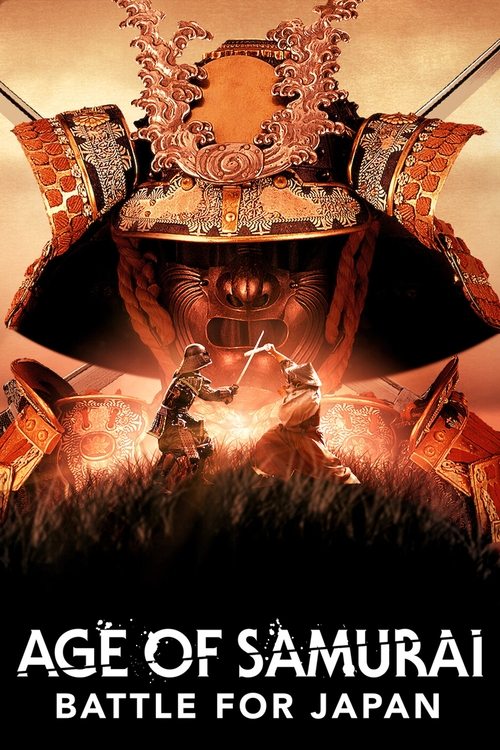
In the opening scenes of "Age of Samurai: Battle for Japan," the narrative sets the stage in the late 16th century, a time of chaos and civil war in Japan. The viewer is introduced to the powerful warlords vying for control over the fragmented country. The story primarily focuses on the rise of Toyotomi Hideyoshi, a peasant who ascends to power through cunning and military prowess, and his rival, Tokugawa Ieyasu, who is equally ambitious and strategic.
The first major event unfolds with the death of Oda Nobunaga, a formidable warlord who had unified much of Japan. His death creates a power vacuum, leading to a fierce struggle among his former allies and enemies. Hideyoshi, who had been one of Nobunaga's top generals, quickly moves to consolidate power. He rallies his troops and begins to eliminate rivals, showcasing his tactical brilliance in battle.
As Hideyoshi's forces engage in skirmishes with other clans, the series highlights his internal motivations. He is driven by a desire to prove himself and to rise above his humble beginnings. His emotional state is one of determination mixed with the fear of failure, as he knows that the stakes are high. The battles are depicted with intense choreography, showcasing the brutality of samurai warfare, with clashing swords and strategic maneuvers.
In a pivotal moment, Hideyoshi faces off against the forces of the powerful Takeda clan. The battle is fierce, with both sides suffering heavy casualties. Hideyoshi employs a clever strategy, using the terrain to his advantage and outmaneuvering the Takeda forces. This victory solidifies his reputation as a formidable leader and allows him to gain more followers.
Meanwhile, Tokugawa Ieyasu is introduced as a calculating and patient strategist. He observes the chaos around him, biding his time to make his move. His motivations are rooted in a desire for stability and control, and he begins to form alliances with other clans, including the Uesugi and the Hojo, to strengthen his position against Hideyoshi.
As the narrative progresses, Hideyoshi's ambition leads him to seek the title of shogun, the military dictator of Japan. He faces opposition from various factions, including the remnants of Nobunaga's loyalists. In a dramatic confrontation, Hideyoshi confronts these loyalists, leading to a bloody battle that showcases his ruthlessness. He emerges victorious, but the cost of his ambition weighs heavily on him, as he grapples with the loss of life and the moral implications of his actions.
The series also delves into the personal lives of the characters, particularly Hideyoshi's relationship with his wife, Nene. Their bond is tested as Hideyoshi becomes increasingly consumed by his quest for power. Nene's emotional turmoil is palpable as she struggles to support her husband while fearing for their future.
As Hideyoshi's power grows, he begins to implement policies that reflect his vision for a unified Japan. He introduces land reforms and promotes trade, aiming to stabilize the economy. However, these changes are met with resistance from traditionalists who fear losing their power and influence.
In a climactic sequence, Hideyoshi and Ieyasu finally confront each other in a battle that will determine the future of Japan. The tension builds as both leaders prepare their armies, each aware that the outcome will shape the nation for generations. The battle is marked by strategic maneuvers, personal duels, and moments of intense drama as both sides fight fiercely.
Ultimately, the battle concludes with Hideyoshi emerging as the victor, but the victory is bittersweet. He realizes that the path to unification is fraught with challenges, and the cost of his ambition has left deep scars on the land and its people. The series ends with a sense of uncertainty, as the viewer is left to ponder the future of Japan and the legacy of its warlords.
Related Titles
Browse All Titles →






What is the ending?
In the ending of "Age of Samurai: Battle for Japan," the series culminates in a fierce battle for control over Japan, showcasing the ultimate clash between the powerful warlords. The fate of key characters is sealed as alliances shift and betrayals unfold, leading to significant losses and the rise of new power dynamics in the region.
As the final scenes unfold, we witness the culmination of the conflict between the warlords, particularly focusing on Tokugawa Ieyasu and his rivals. The series concludes with the establishment of Tokugawa's dominance, setting the stage for a new era in Japan, while other characters face their fates, either through death or defeat.
The final moments of "Age of Samurai: Battle for Japan" begin with a tense atmosphere as the sun rises over the battlefield, casting a golden hue on the landscape, which is marred by the remnants of war. The camera pans over the remnants of the previous battles, showing the scars of conflict etched into the earth and the weary faces of soldiers preparing for the final confrontation.
Scene 1: The Gathering Storm Tokugawa Ieyasu stands resolute, his expression a mix of determination and the weight of leadership. He gathers his loyal samurai, including the fierce and skilled warrior, Honda Tadakatsu. The air is thick with anticipation as they strategize their next move against their rival, Ishida Mitsunari, who is rallying his own forces. The tension is palpable, and the stakes are higher than ever, as both sides know that this battle will determine the future of Japan.
Scene 2: The Clash of Titans As the two armies face off, the camera captures the chaos of battle. The sound of clashing swords and the cries of warriors fill the air. Ieyasu leads his troops with a fierce resolve, embodying the spirit of a true leader. Meanwhile, Mitsunari, driven by a desire for justice and loyalty to his fallen allies, fights valiantly, but the odds are stacked against him. The choreography of the battle is intense, with close-ups of warriors fighting for their lives, showcasing their emotional turmoil and the brutal reality of war.
Scene 3: Betrayal and Loss In a pivotal moment, a betrayal unfolds within Mitsunari's ranks, as some of his allies waver in their loyalty. This betrayal is a crushing blow, and the camera captures Mitsunari's shock and despair as he realizes that his vision for a united Japan is slipping away. The emotional weight of this moment is heavy, as the audience feels the depth of his commitment to his cause and the pain of losing those he trusted.
Scene 4: The Turning Tide As the battle rages on, Ieyasu's forces begin to gain the upper hand. The tide turns dramatically when Honda Tadakatsu engages in a fierce duel with one of Mitsunari's top generals. The intensity of their fight is palpable, with each strike echoing the stakes of the battle. The camera captures the sweat and determination on their faces, highlighting the personal nature of their conflict.
Scene 5: The Final Stand In the climax of the battle, Mitsunari makes a desperate last stand, rallying his remaining troops with a passionate speech about honor and loyalty. However, the overwhelming numbers of Ieyasu's forces prove too much. The camera zooms in on Mitsunari's face, filled with a mix of defiance and resignation as he fights until the end, embodying the tragic hero.
Scene 6: The Aftermath As the dust settles, the battlefield is littered with the fallen. Ieyasu stands victorious, but the victory is bittersweet. The camera captures his somber expression as he surveys the devastation, understanding that the cost of power is steep. The series closes with a reflection on the cycle of violence and the heavy burden of leadership, as Ieyasu prepares to usher in a new era for Japan, one that is marked by both hope and the shadows of the past.
In the end, Tokugawa Ieyasu emerges as the dominant warlord, while Ishida Mitsunari's fate is sealed in defeat, a poignant reminder of the sacrifices made in the pursuit of power and the complexities of loyalty and ambition. The series concludes, leaving viewers with a sense of the ongoing struggle for peace in a land torn by conflict.
Is there a post-credit scene?
In the miniseries "Age of Samurai: Battle for Japan," there is no post-credit scene. The series concludes its narrative without additional content after the credits, focusing instead on the historical events and character arcs throughout the episodes. The final moments of the series encapsulate the intense struggles and the fateful decisions made by the samurai during the tumultuous period of Japan's history, leaving viewers with a sense of closure regarding the depicted events.
What role does Oda Nobunaga play in the series?
Oda Nobunaga is portrayed as a powerful and ambitious warlord who seeks to unify Japan under his rule. His character is depicted as ruthless and strategic, willing to employ both diplomacy and violence to achieve his goals. The series explores his rise to power, his innovative military tactics, and his complex relationships with other samurai, particularly his rivalry with Takeda Shingen and his eventual betrayal by Akechi Mitsuhide.
How does Takeda Shingen's character influence the events in the series?
Takeda Shingen is depicted as a formidable and respected warlord known for his military prowess and honor. His character embodies the traditional samurai values, and he is shown as a rival to Oda Nobunaga. The series highlights his strategic mind and the loyalty he commands from his troops, as well as his desire to protect his domain from Nobunaga's expansion. His interactions with other characters reveal the tension between honor and ambition in the feudal landscape.
What is the significance of Akechi Mitsuhide's betrayal of Oda Nobunaga?
Akechi Mitsuhide's betrayal is a pivotal moment in the series, showcasing themes of loyalty, ambition, and the fragility of power. Mitsuhide, initially a trusted general of Nobunaga, becomes disillusioned with his lord's methods and seeks to claim power for himself. The emotional turmoil and internal conflict he experiences leading up to the betrayal are explored, highlighting the personal motivations that drive him to commit such an act against a man he once served loyally.
How does the series depict the relationship between samurai and their lords?
The series intricately portrays the feudal system in Japan, emphasizing the bond between samurai and their lords, which is rooted in loyalty, honor, and duty. Various characters demonstrate the complexities of this relationship, as some samurai are fiercely loyal while others grapple with their own ambitions and moral dilemmas. The emotional stakes are high, as the samurai must navigate their personal desires against their obligations to their lords, often leading to conflict and betrayal.
What are the key battles depicted in the series, and how do they impact the characters involved?
The series features several key battles that are crucial to the power struggles in Japan, including the Battle of Okehazama and the conflicts between Nobunaga and Takeda Shingen. These battles are depicted with intense visual detail, showcasing the chaos and brutality of warfare. The impact on the characters is profound, as victories and defeats shape their destinies, alter alliances, and force them to confront their own values and ambitions in the face of violence.
Is this family friendly?
"Age of Samurai: Battle for Japan" is a historical docudrama that explores the tumultuous period of the Sengoku era in Japan. While it provides a rich narrative and visual representation of this time, it contains several elements that may not be suitable for children or sensitive viewers.
-
Violence and Warfare: The series depicts numerous battles, showcasing sword fights, archery, and large-scale conflicts. The violence is graphic, with scenes of bloodshed and injury that may be distressing.
-
Death and Loss: Characters experience significant loss, including the deaths of family members and allies, which can evoke strong emotional responses.
-
Political Intrigue and Betrayal: The narrative includes themes of betrayal, manipulation, and the harsh realities of power struggles, which may be complex and unsettling for younger audiences.
-
Historical Context: The portrayal of feudal Japan includes harsh realities of life during war, including the suffering of civilians and the moral dilemmas faced by the samurai.
-
Mature Themes: The series touches on themes of loyalty, honor, and the consequences of ambition, which may be heavy for younger viewers to fully grasp.
Overall, while the series is rich in historical detail and storytelling, its mature themes and graphic content may not be appropriate for all audiences, particularly children.