




























Popular
What is the significance of the relationship between the main characters, Do Chi-woo and Jang Seok-jin?
How does the character of Lee Seok-jin influence the investigation into the murder cases?
What role does the character of Kim Do-hyun play in the unfolding of the plot?
What are the key turning points in the investigation that change the direction of the story?
How does the theme of justice manifest through the character arcs of the detectives?
Should I watch it?
Ask Your Own Question

What is the plot?
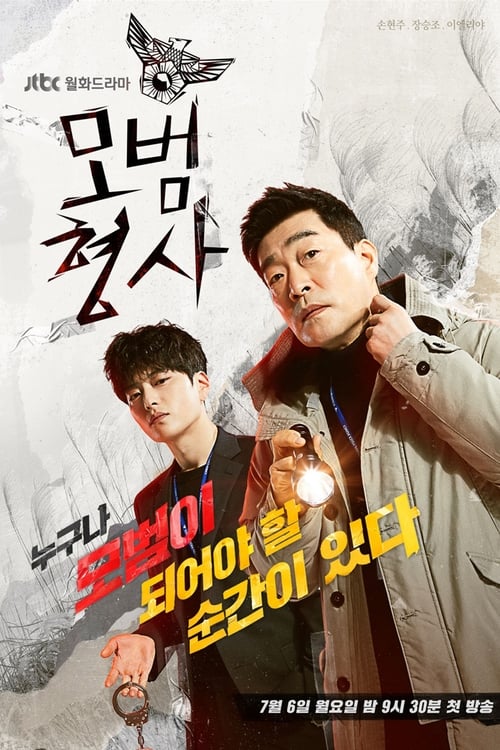
The story begins with a gruesome murder case involving a young woman named Jin Sun-mi, whose body is discovered in a remote area. The investigation is led by Detective Do Hyun-soo, who is known for his strong sense of justice and dedication to his work. He is haunted by a past case that went unsolved, which adds to his emotional burden. As he delves into the details of the murder, he uncovers a series of clues that suggest a deeper conspiracy at play.
Detective Do partners with a new recruit, Detective Jang Ki-seok, who has a more cynical view of the world and is willing to bend the rules to get results. Their contrasting approaches create tension but also drive the investigation forward. As they gather evidence, they interview witnesses and family members of the victim, revealing that Jin Sun-mi had a troubled life and was involved with questionable individuals.
During their investigation, they discover that Jin Sun-mi had been in contact with a man named Lee Seok-jin, who becomes a prime suspect. They track him down, leading to a tense confrontation where he initially denies any involvement. However, as the detectives press him, he becomes increasingly agitated, revealing cracks in his alibi. The detectives manage to obtain a confession from him, but it is later revealed that he was coerced into admitting guilt.
As the investigation continues, Detective Do uncovers evidence that suggests a police cover-up related to the case. He becomes determined to expose the truth, even as he faces pushback from his superiors who want to close the case quickly. This leads to a pivotal moment where Detective Do must choose between following orders or pursuing justice for the victim.
The plot thickens when another murder occurs, and the detectives realize that they are dealing with a serial killer. The second victim, a young man, has connections to the first case, and the detectives begin to see a pattern. They work tirelessly to connect the dots, leading them to a suspect who has a history of violence and a motive tied to the victims.
As the detectives close in on the suspect, they face numerous obstacles, including threats from higher-ups who want to protect their own interests. Detective Do's determination grows, fueled by his desire to bring justice to the victims and their families. He begins to take risks, going undercover to gather more evidence, which puts him in dangerous situations.
In a climactic sequence, Detective Do confronts the suspect in a tense showdown. The confrontation escalates into a physical struggle, with both men fighting for control. Detective Do's emotional state is fraught with anger and desperation as he fights not just for his own safety but for the truth. Ultimately, he manages to subdue the suspect, leading to an arrest.
As the season progresses, the detectives face the fallout from their investigation. They deal with the repercussions of their actions, including the impact on their personal lives and relationships. Detective Jang grapples with his own moral dilemmas, questioning the lengths he is willing to go to in order to achieve justice.
The season culminates in a shocking twist when it is revealed that a member of the police force was involved in the cover-up all along. This revelation shakes the foundation of the investigation and leaves Detective Do questioning who he can trust. The season ends on a cliffhanger, with unresolved tensions and the promise of further revelations in the ongoing pursuit of justice.





What is the ending?
In the ending of "The Good Detective," season 1, the main characters, Detective Do Ji-han and his partner, Detective Jang Seok-jin, confront the truth behind the series of murders they have been investigating. They uncover the real perpetrator, leading to a tense confrontation. The season concludes with unresolved tensions and the characters grappling with their personal demons, setting the stage for potential future conflicts.
As the final episodes unfold, the tension escalates. Detective Do Ji-han, portrayed as a dedicated and principled investigator, is deeply affected by the cases he has worked on, particularly the murder of a young girl that haunts him. His partner, Detective Jang Seok-jin, is more pragmatic and often finds himself at odds with Ji-han's idealism. The two detectives have been working tirelessly to solve a series of murders that seem to be connected, and as they delve deeper, they realize that the truth is more complex than they initially thought.
In the penultimate episode, Ji-han and Seok-jin gather evidence that points to a powerful figure behind the murders. They face numerous obstacles, including corruption within the police force and threats from those who want to keep the truth hidden. The emotional stakes rise as Ji-han reflects on his past mistakes and the impact of the cases on his life. He is driven by a desire for justice, not just for the victims but also for his own sense of morality.
The climax occurs in a tense confrontation where Ji-han and Seok-jin finally confront the true murderer. The scene is fraught with tension as they piece together the final clues that lead them to the suspect. The atmosphere is heavy with the weight of their discoveries, and the emotional turmoil of the characters is palpable. Ji-han's determination to bring the killer to justice is evident, but he is also faced with the reality of the consequences of their investigation.
As the confrontation unfolds, the detectives are forced to confront their own vulnerabilities and the moral ambiguities of their work. Ji-han's idealism clashes with the harsh realities of the world they inhabit, and he must navigate the fine line between justice and revenge. The scene is charged with emotion as Ji-han grapples with his own motivations and the impact of the case on his life.
In the final moments of the season, the resolution is bittersweet. While the detectives manage to bring the murderer to justice, the emotional toll of the investigation leaves them changed. Ji-han is left to reflect on the cost of his pursuit of justice, while Seok-jin contemplates the compromises he has made along the way. The season ends with a sense of unresolved tension, hinting at the ongoing struggles the characters will face in the future.
Detective Do Ji-han emerges from the season with a deeper understanding of himself and the complexities of his role as a detective. He is left with the haunting memories of the cases he has worked on, particularly the young girl whose murder ignited his passion for justice. Detective Jang Seok-jin, while still pragmatic, is also affected by the events, leading him to question his own choices and the nature of justice. The season closes with both characters at a crossroads, setting the stage for further exploration of their journeys in potential future seasons.
Is there a post-credit scene?
In "The Good Detective," Season 1, there is no post-credit scene. The series concludes its episodes without any additional scenes after the credits roll. The focus remains on the narrative and character development throughout the episodes, wrapping up the storylines without extending into post-credit content. Each episode ends with a sense of closure, leading into the next part of the overarching plot without the need for additional scenes.
What is the significance of the relationship between the main characters, Do Chi-woo and Jang Seok-jin?
The relationship between Do Chi-woo and Jang Seok-jin is central to the narrative of 'The Good Detective.' Do Chi-woo, portrayed as a dedicated and principled detective, often finds himself at odds with Jang Seok-jin, who is more pragmatic and willing to bend the rules. Their dynamic is marked by tension, as Chi-woo's idealism clashes with Seok-jin's more cynical view of justice. This conflict drives much of the emotional weight of the series, as both characters grapple with their personal demons and the moral complexities of their work.
How does the character of Lee Seok-jin influence the investigation into the murder cases?
Lee Seok-jin, a key character in the series, plays a pivotal role in the investigation of the murder cases. His background as a former detective who now works as a journalist allows him to provide unique insights into the cases. Seok-jin's relentless pursuit of the truth often leads him to uncover hidden connections and motives that others overlook. His character embodies the theme of seeking justice, and his interactions with the police force, particularly with Do Chi-woo, highlight the challenges of navigating the line between law enforcement and media.
What role does the character of Kim Do-hyun play in the unfolding of the plot?
Kim Do-hyun is introduced as a significant character whose actions and decisions have a profound impact on the plot. As a suspect in one of the murder cases, his character adds layers of complexity to the investigation. His motivations are shrouded in mystery, and as the detectives delve deeper into his background, they uncover a web of deceit and betrayal. Do-hyun's interactions with both Chi-woo and Seok-jin reveal his desperation and fear, making him a compelling figure whose fate is intricately tied to the resolution of the central mystery.
What are the key turning points in the investigation that change the direction of the story?
Several key turning points in the investigation significantly alter the direction of the story. One pivotal moment occurs when new evidence surfaces that contradicts the initial assumptions about the murder cases, leading Chi-woo and Seok-jin to reevaluate their leads. Another turning point is the revelation of a conspiracy that connects multiple characters, forcing the detectives to confront their own biases and the possibility of corruption within the police force. These moments not only heighten the tension but also deepen the character development as they grapple with the implications of their discoveries.
How does the theme of justice manifest through the character arcs of the detectives?
The theme of justice is intricately woven into the character arcs of the detectives, particularly through Do Chi-woo and Jang Seok-jin. Chi-woo's unwavering commitment to justice often puts him at odds with the realities of the system, leading to moments of frustration and self-doubt. Conversely, Seok-jin's more pragmatic approach reflects a disillusionment with the idea of justice, as he navigates the murky waters of morality in his pursuit of the truth. Their evolving perspectives on justice not only drive the plot forward but also serve as a commentary on the complexities of law enforcement and the personal stakes involved in their work.
Is this family friendly?
"The Good Detective" is a South Korean crime drama that delves into the complexities of police work and the moral dilemmas faced by its characters. While the show is engaging and thought-provoking, it does contain elements that may not be suitable for children or sensitive viewers.
-
Violence and Crime Scenes: The series features graphic depictions of crime scenes, including murder investigations. There are moments of intense violence that may be disturbing.
-
Mature Themes: The narrative explores heavy themes such as corruption, betrayal, and the psychological toll of crime, which may be difficult for younger audiences to process.
-
Emotional Turmoil: Characters experience significant emotional distress, including grief, anger, and moral conflict, which can be intense and may resonate deeply with sensitive viewers.
-
Language: There are instances of strong language and confrontational dialogue that may not be appropriate for younger audiences.
-
Substance Use: Some scenes depict characters engaging in drinking or smoking, which may not be suitable for children.
Overall, while "The Good Detective" offers a compelling story, its mature content and themes warrant caution for family viewing.









