
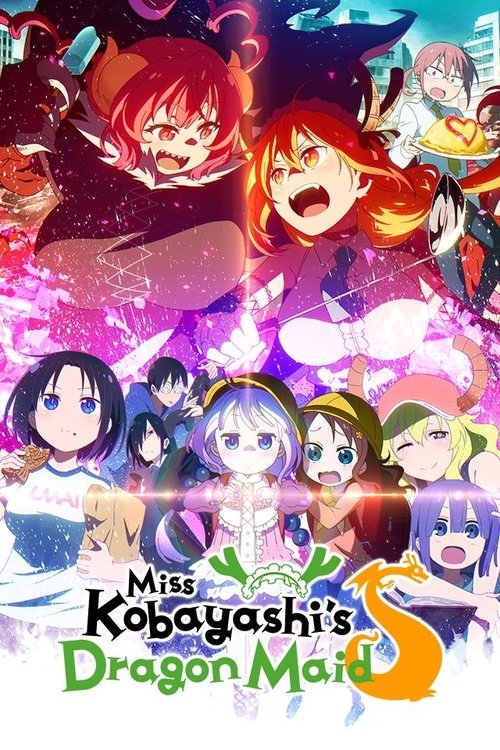













Popular
What new characters are introduced in Miss Kobayashi's Dragon Maid S?
How does Tohru's relationship with Kobayashi evolve in season 2?
What challenges does Kanna face in her school life during season 2?
How does Ilulu's presence affect the dynamics among the main characters?
What is the significance of the festival episode in season 2?
Should I watch it?
Ask Your Own Question

What is the plot?
In the first episode of "Miss Kobayashi's Dragon Maid S," the story resumes with Kobayashi waking up to find Tohru preparing breakfast for her. Tohru's enthusiasm is palpable as she serves a lavish meal, showcasing her dedication to Kobayashi. However, Kobayashi is still adjusting to having a dragon maid in her life, and she feels a mix of appreciation and awkwardness. The scene highlights their domestic life, filled with warmth and humor, as Kobayashi tries to balance her work and her new responsibilities.
Later, the episode introduces a new character, Ilulu, a dragon who embodies chaos and destruction. She appears in a dramatic fashion, causing havoc in the city. Ilulu's entrance is marked by her fierce demeanor and her desire to challenge Tohru, whom she sees as a rival. The tension escalates when Ilulu confronts Tohru, leading to a clash of ideologies about humans and dragons. Tohru, who has grown fond of humans, tries to reason with Ilulu, but the latter is adamant about her beliefs.
As the confrontation unfolds, Ilulu's chaotic nature leads to a series of destructive events, causing panic among the townspeople. Tohru attempts to protect Kobayashi and the others, showcasing her powers as a dragon. The fight is intense, with magical blasts and transformations, but ultimately, Tohru manages to subdue Ilulu without causing serious harm. This encounter sets the stage for Ilulu's character development, as she begins to question her own beliefs about humans.
In the following episodes, Ilulu becomes a recurring character, and her interactions with Tohru and Kobayashi deepen. She struggles with her feelings of isolation and her desire for acceptance. Tohru, embodying kindness, tries to include Ilulu in their daily lives, which leads to humorous and heartwarming moments. The dynamic between the three characters evolves, showcasing their growth and the challenges they face as they navigate their differences.
As the season progresses, the story delves into the backstories of the characters. Tohru reflects on her past and her bond with Kobayashi, while Ilulu confronts her own insecurities and the reasons behind her chaotic behavior. These moments are filled with emotional depth, as the characters grapple with their identities and relationships.
The climax of the season occurs when Ilulu's past catches up with her, leading to a confrontation with other dragons who oppose her newfound friendships. This conflict forces Ilulu to choose between her old life and the new connections she has formed with Tohru and Kobayashi. The battle is fierce, with magical powers clashing and emotional stakes running high. Tohru and Kobayashi stand by Ilulu, demonstrating their loyalty and support.
In the final episodes, the resolution comes as Ilulu embraces her new life, finding a place among her friends. The season concludes with a sense of unity and acceptance, as the characters celebrate their bond. Kobayashi, Tohru, and Ilulu share a heartfelt moment, solidifying their relationship and hinting at future adventures together. The season ends on a hopeful note, emphasizing the themes of friendship and understanding across different worlds.
Related Titles
Browse All Titles →







What is the ending?
In the ending of "Miss Kobayashi's Dragon Maid S," the story culminates in a heartwarming resolution where the characters reaffirm their bonds and the importance of family. Tohru, the dragon maid, and Kobayashi, her human employer, solidify their relationship, while other characters like Kanna and Elma also find their places in this unique family dynamic. The season concludes with a sense of peace and acceptance, showcasing the growth of each character and their commitment to one another.
As the final episodes unfold, the narrative begins with a focus on Tohru, who is determined to protect Kobayashi at all costs. The tension rises when a powerful dragon named Fafnir appears, causing unease among the group. Tohru's protective instincts kick in, and she prepares to confront this new threat, showcasing her fierce loyalty to Kobayashi.
In a pivotal scene, Tohru and Fafnir engage in a battle of wills, with Tohru's fierce determination clashing against Fafnir's more laid-back demeanor. The confrontation is intense, filled with bursts of magical energy and emotional stakes, as Tohru fights not just for her own pride but for the safety of her beloved Kobayashi. The animation captures the vibrant colors of their powers, contrasting Tohru's fiery dragon form against Fafnir's dark, shadowy presence.
As the battle reaches its climax, Kobayashi intervenes, stepping between the two dragons. Her calm and composed demeanor serves as a grounding force, reminding both Tohru and Fafnir of the bonds they share. Kobayashi's words resonate deeply, emphasizing the importance of understanding and friendship over conflict. This moment is pivotal, as it showcases her growth as a character and her role as a mediator in the dragon world.
Following this confrontation, the atmosphere shifts to one of reconciliation. Fafnir, moved by Kobayashi's words, begins to understand the value of companionship and the warmth of human connections. He decides to join the group, marking a significant change in his character arc. The scene transitions to a cozy gathering at Kobayashi's home, where the characters share laughter and stories, reinforcing the theme of family.
Kanna, who has been a source of innocence and joy throughout the season, finds her place among the group, her playful nature bringing lightness to the atmosphere. The final scenes depict the characters engaging in everyday activities, such as cooking and playing games, highlighting the mundane yet precious moments that define their lives together.
As the season draws to a close, Tohru and Kobayashi share a quiet moment, reflecting on their journey. Tohru expresses her gratitude for Kobayashi's acceptance and love, while Kobayashi reassures her that they will always be together. This heartfelt exchange encapsulates the essence of their relationship, built on trust and mutual respect.
The final shot of the season shows the group gathered together, a family forged from different worlds, united by their shared experiences and love for one another. The screen fades to black, leaving viewers with a sense of warmth and fulfillment, as the characters embrace their new lives together, ready to face whatever challenges may come their way. Each character, from Tohru to Kanna and Fafnir, finds a sense of belonging, solidifying the overarching message of the series about the importance of connection and acceptance.
Is there a post-credit scene?
In "Miss Kobayashi's Dragon Maid S," there is indeed a post-credit scene that adds a delightful touch to the series. After the main credits roll, viewers are treated to a brief but charming moment featuring Tohru and Kobayashi.
In this scene, Tohru is seen preparing a special meal for Kobayashi, showcasing her dedication and affection. The kitchen is filled with the warm glow of cooking, and the aroma of delicious food wafts through the air. Tohru, with her usual enthusiasm, is determined to impress Kobayashi with her culinary skills, which often leads to humorous mishaps.
As the scene unfolds, Tohru's excitement is palpable, but it quickly turns into a comedic moment when she accidentally creates a dish that is far too extravagant and overwhelming. The visual contrast between Tohru's earnest efforts and the absurdity of the situation highlights her character's endearing nature.
Kobayashi, who enters the kitchen, is initially taken aback by the sheer amount of food and the chaotic presentation. However, her expression softens as she sees Tohru's earnestness and the love behind the effort. This moment encapsulates the heartwarming dynamic between the two characters, emphasizing their bond and the everyday joys they share.
The scene concludes with a light-hearted exchange, leaving viewers with a sense of warmth and a smile, perfectly encapsulating the spirit of the series.
What new characters are introduced in Miss Kobayashi's Dragon Maid S?
In season 2, several new characters are introduced, including Ilulu, a dragon who embodies chaos and has a contrasting personality to Tohru. Ilulu initially appears as an antagonist, challenging Tohru's beliefs about humans and dragons. Her character arc explores themes of acceptance and understanding, as she gradually learns to coexist with humans.
How does Tohru's relationship with Kobayashi evolve in season 2?
Tohru's relationship with Kobayashi deepens in season 2 as she continues to navigate her feelings of love and devotion. Tohru becomes more protective and affectionate, often expressing her desire to be of service to Kobayashi. This season highlights their daily life together, showcasing moments of tenderness and humor, as well as Tohru's struggles with her dragon instincts and her desire to fit into human society.
What challenges does Kanna face in her school life during season 2?
Kanna faces several challenges in her school life, including making friends and dealing with the pressures of fitting in. She struggles with her identity as a dragon in a human school, often feeling isolated. However, she gradually forms a bond with her classmates, particularly with a girl named Saikawa, who admires Kanna's unique qualities. This friendship helps Kanna grow more confident and comfortable in her own skin.
How does Ilulu's presence affect the dynamics among the main characters?
Ilulu's presence introduces tension and conflict among the main characters, particularly between Tohru and Kobayashi. Tohru feels threatened by Ilulu's chaotic nature and her initial antagonism towards humans. This creates a rift in Tohru's relationship with Kobayashi, as Tohru struggles to reconcile her feelings of jealousy and protectiveness. The interactions between Ilulu, Tohru, and Kobayashi lead to significant character development and ultimately a resolution of their differences.
What is the significance of the festival episode in season 2?
The festival episode serves as a pivotal moment for character development and relationship building. It showcases the characters participating in traditional Japanese festival activities, allowing them to bond and enjoy each other's company. The episode highlights themes of community and acceptance, as the dragons interact with humans in a festive setting. It also emphasizes the importance of friendship and the joy of shared experiences, culminating in a heartwarming conclusion that reinforces the series' core values.
Is this family friendly?
"Miss Kobayashi's Dragon Maid S" is generally considered family-friendly, but it does contain some elements that may be objectionable or upsetting for children or sensitive viewers. Here are a few aspects to be aware of:
-
Mild Suggestive Themes: The show includes some scenes with suggestive humor and innuendos that may not be suitable for younger audiences.
-
Fantasy Violence: There are moments of fantasy violence, including battles and confrontations between dragons and other beings, which may be intense for some viewers.
-
Emotional Struggles: Characters experience emotional turmoil, including feelings of loneliness, insecurity, and identity crises, which could be distressing for sensitive viewers.
-
Mature Humor: Some jokes and comedic situations may reference adult themes or situations that might not be fully understood by children.
-
Character Relationships: The dynamics between characters can sometimes involve complex relationships that may require a more mature understanding to fully appreciate.
While the series is lighthearted and comedic overall, these elements may warrant parental guidance for younger viewers.









