









Popular
What are the main character dynamics between the Matsuno brothers in season 3?
How does the show address the theme of adulthood and responsibility in the lives of the Matsuno brothers?
What are some notable guest characters introduced in season 3, and how do they impact the Matsuno brothers?
How does the show use parody and references to pop culture in season 3?
What emotional moments stand out in the interactions between the Matsuno brothers in season 3?
Should I watch it?
Ask Your Own Question

What is the plot?
In the first episode of "Mr. Osomatsu" Season 3, the Matsuno brothers are introduced in a comedic skit where they are seen in various humorous situations. The episode begins with Osomatsu, the eldest brother, trying to convince his siblings to join him in a new venture. He proposes they start a business together, but each brother has their own quirky ideas that lead to chaos. Karamatsu, the self-proclaimed "cool" brother, suggests they become idols, while Choromatsu wants to start a fan club for a popular anime. The brothers bicker and argue over whose idea is better, showcasing their distinct personalities and motivations.
As the episode progresses, the brothers decide to hold a talent show to showcase their individual skills. Each brother prepares a unique act, leading to a series of comedic performances. Ichimatsu, the introverted brother, attempts to perform a dramatic monologue but struggles with stage fright. Jyushimatsu, the energetic brother, tries to juggle but ends up causing a mess. The performances are filled with slapstick humor and highlight the brothers' inability to work together effectively.
In the second episode, the focus shifts to the brothers' interactions with their neighbors and the outside world. They encounter a group of girls who are interested in their antics, leading to a series of misunderstandings and comedic situations. The brothers try to impress the girls, but their attempts backfire, resulting in embarrassing moments. The episode emphasizes their desperation for attention and validation, showcasing their insecurities.
The third episode introduces a new character, Totoko, who becomes a central figure in the brothers' lives. The brothers compete for her affection, leading to a series of humorous rivalries. Each brother tries to win her over with exaggerated gestures and antics, but their efforts are met with indifference. The episode explores themes of unrequited love and the lengths the brothers will go to for attention.
In the fourth episode, the brothers find themselves in a surreal situation where they are transported to a fantasy world. They encounter various fantastical creatures and face absurd challenges that test their teamwork. The brothers must navigate this bizarre landscape while dealing with their own personal conflicts. The episode is filled with visual gags and imaginative scenarios, showcasing the show's creativity.
The fifth episode returns to a more grounded setting, focusing on the brothers' daily lives. They engage in mundane activities, such as grocery shopping and cleaning, but their interactions are filled with humor and absurdity. Each brother's personality shines through as they navigate these simple tasks, leading to comedic misunderstandings and mishaps.
In the sixth episode, the brothers decide to take a trip to the beach. They are excited about the prospect of relaxation and fun, but their plans quickly go awry. A series of unfortunate events, including getting lost and encountering strange beachgoers, leads to chaos. The episode highlights their inability to enjoy a simple outing, filled with slapstick humor and exaggerated reactions.
The seventh episode features a parody of popular culture, with the brothers taking on various roles from famous movies and shows. Each brother embodies a different character, leading to humorous interpretations and references. The episode is a playful homage to pop culture, showcasing the brothers' creativity and comedic timing.
In the eighth episode, the brothers face a crisis when they realize they have become irrelevant in the modern world. They attempt to adapt to new trends and technologies, leading to a series of comedic failures. The episode explores their struggle to keep up with societal changes while maintaining their identities.
The ninth episode takes a darker turn as the brothers confront their fears and insecurities. They engage in a series of introspective conversations, revealing their vulnerabilities. The episode balances humor with emotional depth, showcasing the complexity of their relationships.
In the final episode of the season, the brothers come together for a grand finale. They reflect on their experiences and the bonds they share. The episode culminates in a chaotic yet heartfelt celebration, highlighting their growth and the importance of family. The season ends on a comedic note, leaving the audience with a sense of nostalgia and anticipation for future adventures.
Related Titles
Browse All Titles →




What is the ending?
In the ending of Mr. Osomatsu's third season, the Matsuno brothers face a series of comedic and absurd situations that reflect their unique personalities and relationships. The season culminates in a chaotic yet humorous finale, where the brothers engage in various antics, showcasing their growth and the enduring bond they share despite their flaws.
As the final episode unfolds, the Matsuno brothers find themselves in a surreal scenario that blends reality with their wild imaginations. They navigate through a series of sketches that highlight their individual quirks and the dynamics of their brotherly bond. The episode concludes with a sense of camaraderie and acceptance among the brothers, emphasizing the importance of family and the joy found in their shared experiences.
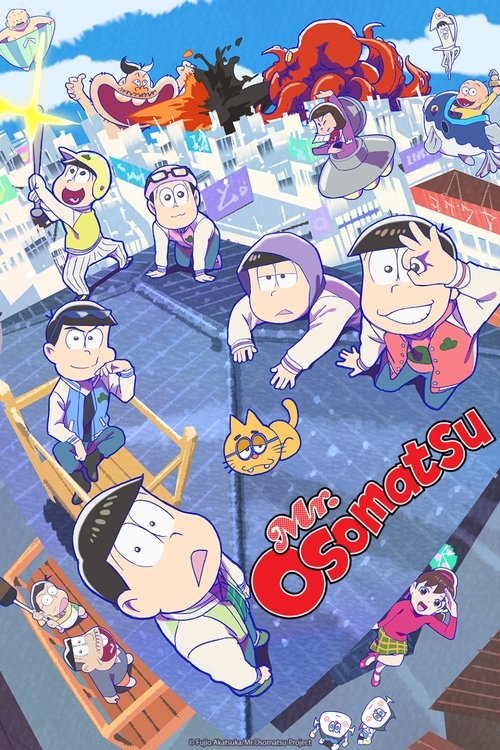
The final episode of Mr. Osomatsu's third season opens with a vibrant, bustling scene in the Matsuno household. The camera pans across the familiar clutter of their living space, filled with remnants of their previous misadventures. The brothers, Osomatsu, Karamatsu, Choromatsu, Ichimatsu, Jyushimatsu, and Todomatsu, are gathered in the living room, each displaying their distinct personalities. Osomatsu, the self-proclaimed leader, is animatedly discussing their next big scheme, while Karamatsu, ever the cool one, tries to maintain an air of nonchalance.
As the conversation unfolds, the brothers bicker playfully, their banter filled with sarcasm and humor. Each brother's internal motivations are evident; Osomatsu seeks validation, Karamatsu craves admiration, Choromatsu yearns for maturity, Ichimatsu struggles with his introversion, Jyushimatsu embraces his eccentricity, and Todomatsu seeks to be the favorite. This dynamic sets the stage for the chaos that is about to ensue.
Suddenly, the scene shifts dramatically as the brothers find themselves transported into a bizarre, dream-like world. The colors are exaggerated, and the environment is filled with whimsical elements that reflect their inner thoughts and desires. They encounter various challenges that force them to confront their insecurities and aspirations. For instance, Osomatsu faces a giant version of himself, symbolizing his fear of failure, while Choromatsu is confronted by a group of successful peers, highlighting his struggle with self-worth.
As they navigate through these surreal challenges, the brothers begin to realize the importance of their bond. They support each other through their individual trials, showcasing their growth and the deep-rooted love they have for one another. The humor remains prevalent, with slapstick moments and witty dialogue that keep the tone light despite the underlying themes of self-discovery and acceptance.
In the climax of the episode, the brothers unite to face a final, absurd antagonist--a manifestation of their collective fears and doubts. Together, they devise a plan that combines their unique strengths, demonstrating their teamwork and the power of brotherhood. The scene is filled with frenetic energy as they engage in a chaotic battle, filled with comedic mishaps and exaggerated reactions.
As the dust settles, the brothers emerge victorious, albeit in a hilariously unconventional manner. They find themselves back in their living room, the surreal adventure having come to an end. The atmosphere is one of relief and joy, as they share a moment of laughter, reflecting on their absurd journey. Each brother expresses a newfound appreciation for their quirks and the bond they share, reinforcing the theme of family.
The episode concludes with a heartwarming scene where the brothers sit together, reminiscing about their experiences. They acknowledge their flaws but embrace them as part of who they are. The camera zooms out, capturing the warmth of their camaraderie, leaving viewers with a sense of closure and the enduring message that, despite their differences, the Matsuno brothers will always have each other.
In the end, Osomatsu, Karamatsu, Choromatsu, Ichimatsu, Jyushimatsu, and Todomatsu each find a sense of acceptance and belonging, solidifying their roles not just as brothers but as a family that supports one another through thick and thin. The season wraps up with a comedic yet poignant reminder of the importance of embracing one's true self and the unbreakable bonds of family.
Is there a post-credit scene?
In the third season of Mr. Osomatsu, there is indeed a post-credit scene that adds a humorous twist to the episode. After the main credits roll, viewers are treated to a brief segment featuring the Matsuno brothers. In this scene, the brothers engage in a light-hearted conversation that often reflects their quirky personalities and sibling dynamics.
The post-credit scene typically showcases their comedic banter, with each brother contributing to the humor in their unique way. For instance, you might see Osomatsu trying to impress his brothers with a new catchphrase, while Karamatsu might be overly dramatic about it, seeking validation. Choromatsu often plays the straight man, trying to keep the peace, while Ichimatsu might be disinterested, and Jyushimatsu could be enthusiastically supportive in a nonsensical manner.
The scene encapsulates the essence of the show, highlighting the absurdity of their interactions and the enduring bond they share, even amidst their chaotic lives. It serves as a light-hearted conclusion to the episode, leaving viewers with a smile and a sense of familiarity with the characters they have come to love.
What are the main character dynamics between the Matsuno brothers in season 3?
In season 3 of Mr. Osomatsu, the dynamics between the Matsuno brothers--Osomatsu, Karamatsu, Choromatsu, Ichimatsu, Jyushimatsu, and Todomatsu--are explored through various comedic and heartfelt scenarios. Each brother exhibits distinct personality traits that often clash or complement one another. Osomatsu, the eldest, often takes on a leadership role but is also portrayed as lazy and irresponsible. Karamatsu, the self-proclaimed 'cool' brother, struggles with his image and often seeks validation. Choromatsu, the responsible one, tries to keep the group in check but is often overwhelmed by the antics of his siblings. Ichimatsu, the brooding and introverted brother, finds solace in his cats, while Jyushimatsu, the energetic and unpredictable one, brings a sense of chaos. Todomatsu, the youngest, is often seen as the most cunning and manipulative, using his charm to get what he wants. The interactions between these characters create a rich tapestry of humor and emotional depth, showcasing their insecurities and desires.
How does the show address the theme of adulthood and responsibility in the lives of the Matsuno brothers?
Throughout season 3, Mr. Osomatsu delves into the theme of adulthood and responsibility, particularly through the Matsuno brothers' struggles with their stagnant lives. Each episode presents scenarios where the brothers confront their lack of direction and the societal expectations of adulthood. For instance, in one episode, they attempt to take on jobs, leading to humorous yet poignant moments that highlight their inability to adapt to adult responsibilities. The brothers often find themselves in absurd situations that reflect their reluctance to grow up, such as trying to impress women or dealing with the consequences of their childish behavior. This ongoing struggle serves as a backdrop for their character development, revealing their fears of failure and desire for acceptance.
What are some notable guest characters introduced in season 3, and how do they impact the Matsuno brothers?
Season 3 of Mr. Osomatsu introduces several guest characters that significantly impact the Matsuno brothers. One notable character is the charismatic and confident 'Karamatsu Girl,' who becomes an object of admiration for Karamatsu, pushing him to confront his insecurities about his image. Another guest character is the mysterious 'Matsuno Mom,' who appears in a surreal episode, forcing the brothers to reflect on their childhood and familial bonds. These guest characters often serve as catalysts for the brothers' growth, challenging them to face their flaws and aspirations. Their interactions lead to comedic yet meaningful moments that deepen the narrative and highlight the brothers' relationships.
How does the show use parody and references to pop culture in season 3?
In season 3, Mr. Osomatsu employs parody and pop culture references extensively, creating a rich comedic landscape. The brothers often find themselves in scenarios that mimic popular anime, movies, and trends, leading to humorous reinterpretations of well-known tropes. For example, there are episodes that parody famous shonen anime, showcasing exaggerated fight scenes and character transformations that poke fun at the genre. Additionally, the show references contemporary social issues and trends, such as the rise of social media influencers, which the brothers hilariously attempt to navigate. These parodic elements not only provide entertainment but also serve as a commentary on the absurdities of modern life, resonating with the audience's experiences.
What emotional moments stand out in the interactions between the Matsuno brothers in season 3?
Season 3 of Mr. Osomatsu features several emotional moments that stand out amidst the comedic chaos. One poignant scene occurs when the brothers reminisce about their childhood, revealing their deep-seated fears of growing apart as they age. This moment is underscored by a nostalgic tone, as they reflect on their shared experiences and the bond that has kept them together despite their differences. Another emotional highlight is when Ichimatsu opens up about his struggles with loneliness, prompting a rare moment of vulnerability among the brothers. These interactions, while often wrapped in humor, reveal the underlying love and support they have for one another, showcasing the complexity of their relationships and the emotional weight of their shared experiences.
Is this family friendly?
"Mr. Osomatsu" season 3, while comedic and entertaining, contains several elements that may not be suitable for children or sensitive viewers. Here are some potentially objectionable aspects:
-
Adult Humor: The series often employs crude and suggestive humor that may not be appropriate for younger audiences. This includes sexual innuendos and jokes that rely on adult themes.
-
Language: There are instances of strong language and slang that may be considered offensive or inappropriate for children.
-
Dark Humor: The show sometimes touches on darker themes, including existential crises and societal issues, presented in a comedic light that may be unsettling for some viewers.
-
Parody and Satire: The series frequently parodies various aspects of pop culture, which may include references that are more suitable for an older audience.
-
Visual Gags: Some visual humor can be exaggerated or grotesque, which might be off-putting to sensitive viewers.
-
Character Behavior: The Matsuno brothers often engage in irresponsible or reckless behavior, which could send mixed messages about appropriate conduct.
These elements contribute to the show's appeal to an older audience, but they may not align with family-friendly viewing standards.







