













Popular
What motivates Mira to take on the role of Irma Vep in the miniseries?
How does Mira's relationship with René evolve throughout the series?
What role does the character of Zoe play in Mira's journey?
How does the setting of Paris influence the narrative of Irma Vep?
What are the key conflicts that arise during the production of the miniseries?
Should I watch it?
Ask Your Own Question

What is the plot?
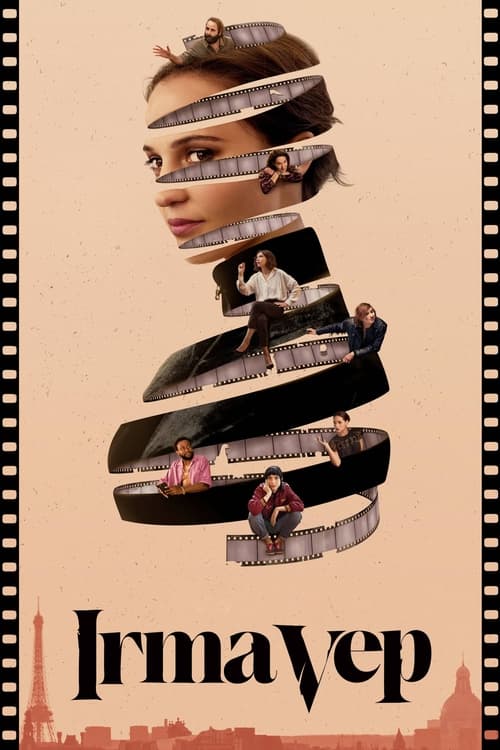
The story begins with Mira, a disillusioned actress, arriving in France to star in a remake of the classic silent film "Les Vampires." She is struggling with her identity and career, feeling disconnected from her previous successes. As she arrives on set, she meets the director, René, who is passionate yet erratic, and the crew, who are a mix of enthusiastic and skeptical about the project. Mira's initial excitement is tempered by her anxiety about fitting into the role of Irma Vep, a character that embodies seduction and danger.
As filming begins, Mira is introduced to the character of Irma Vep, who is a cat burglar with a mysterious allure. The scenes are shot in a surreal, dreamlike manner, blending reality with the film's narrative. Mira finds herself increasingly drawn to the character, experiencing a transformation as she immerses herself in the role. The lines between her real life and the character begin to blur, leading to moments of confusion and introspection.
During a break in filming, Mira attends a party with the cast and crew. The atmosphere is charged with tension, as personal dynamics and rivalries surface. Mira feels out of place, struggling to connect with her colleagues. She has a brief encounter with a fellow actor, who expresses admiration for her work, but the moment is overshadowed by her feelings of isolation. This party serves as a catalyst for Mira's growing obsession with the character of Irma Vep.
As production continues, Mira's relationship with René becomes more complicated. He is both inspired by her performance and frustrated by her inability to fully embrace the character. Their interactions are fraught with tension, as René pushes Mira to delve deeper into Irma Vep's psyche. Mira's emotional state deteriorates as she grapples with her own insecurities and the demands of the role. She begins to have vivid dreams and hallucinations, where she sees herself as Irma Vep, further complicating her sense of self.
In a pivotal scene, Mira confronts René about her struggles, expressing her fears of losing herself in the character. René, in turn, reveals his own vulnerabilities and the pressures he faces as a director. This moment of honesty leads to a temporary reconciliation, and Mira feels a renewed sense of purpose in her performance. However, the pressure of the production continues to mount, leading to conflicts with other cast members and crew.
As the filming progresses, Mira's transformation into Irma Vep becomes more pronounced. She begins to adopt the character's mannerisms and style, leading to a striking visual change. This metamorphosis is both exhilarating and terrifying for her, as she feels empowered yet increasingly detached from her own identity. The lines between her real life and the film's narrative continue to blur, culminating in a series of surreal sequences that reflect her internal struggle.
In a climactic moment, Mira attends a gala event where she is expected to embody Irma Vep fully. Dressed in a stunning costume, she captivates the audience but also feels the weight of their expectations. During the event, she encounters various characters from her life and the film, leading to a chaotic blend of reality and fiction. This moment serves as a turning point for Mira, as she confronts her fears and desires head-on.
The final act of the miniseries sees Mira fully embracing her role as Irma Vep, leading to a dramatic confrontation with René and the other characters. The tension reaches a boiling point as personal and professional conflicts come to a head. Mira's journey culminates in a powerful scene where she must choose between her identity as an actress and the seductive allure of Irma Vep. The resolution of this conflict leaves her at a crossroads, with the implications of her choices resonating throughout the narrative.
The miniseries concludes with a sense of ambiguity, as Mira's fate remains uncertain. The final scenes reflect her internal struggle and the impact of her experiences on her sense of self. The audience is left to ponder the complexities of identity, performance, and the nature of reality as Mira navigates her path forward.





What is the ending?
In the ending of "Irma Vep," Mira, played by Alicia Vikander, confronts her own identity and the blurred lines between her and the character she portrays, Irma Vep. The series culminates in a chaotic and surreal finale, where the boundaries of reality and fiction dissolve. The fate of the characters intertwines with the themes of obsession and transformation, leading to a haunting conclusion.
As the final episode unfolds, Mira is deeply immersed in her role as Irma Vep, the enigmatic cat burglar. The production of the miniseries has reached a fever pitch, and tensions among the cast and crew are palpable. Mira's relationship with René, the director, becomes increasingly strained as he struggles with his vision for the project and his feelings for her.
In a pivotal scene, Mira attends a party with the cast and crew, where the atmosphere is charged with a mix of celebration and underlying conflict. The party serves as a microcosm of the chaotic dynamics at play, with characters revealing their insecurities and desires. Mira feels increasingly disconnected from her own identity, as the lines between her and Irma Vep blur.
As the night progresses, Mira's emotional state deteriorates. She finds herself wandering through the streets of Paris, lost in thought and grappling with her dual existence. The city, with its vibrant yet haunting backdrop, mirrors her internal struggle. She encounters various characters from the production, each reflecting different aspects of her journey and the themes of the story.
In a climactic moment, Mira returns to the set, where the final scenes of the miniseries are being shot. The atmosphere is electric, filled with anticipation and anxiety. As she steps into the role of Irma Vep, she fully embraces the character, leading to a powerful and surreal sequence that blurs the lines of reality. The scene is visually striking, with dramatic lighting and intense performances that capture the essence of her transformation.
The series concludes with a haunting image of Mira as Irma Vep, standing alone in a darkened space, symbolizing her complete immersion into the character. The final shot leaves viewers with a sense of ambiguity, as it is unclear where Mira ends and Irma Vep begins.
In terms of character fates, Mira is left in a state of existential uncertainty, having fully embraced her role but at the cost of her own identity. René, meanwhile, is left grappling with his artistic vision and the emotional fallout of his relationship with Mira. The other characters, each affected by the production and their interactions with Mira, are left to navigate their own paths, reflecting the complex web of relationships and conflicts that have unfolded throughout the series.
The ending encapsulates the themes of identity, obsession, and the transformative power of art, leaving a lasting impression on both the characters and the audience.
Is there a post-credit scene?
In the show "Irma Vep," season 1 titled "Miniseries," there is no post-credit scene. The series concludes its narrative without any additional scenes after the credits roll. The final moments of the last episode encapsulate the themes and character arcs established throughout the season, leaving viewers with a sense of closure regarding the story of Mira, the protagonist, and her journey through the world of filmmaking and her complex relationship with the character of Irma Vep. The absence of a post-credit scene emphasizes the finality of the narrative, allowing the audience to reflect on the emotional and thematic weight of the series as it stands.
What motivates Mira to take on the role of Irma Vep in the miniseries?
Mira, played by Alicia Vikander, is a disillusioned actress seeking to revitalize her career after a series of disappointments in Hollywood. Her decision to take on the role of Irma Vep is driven by a desire for artistic authenticity and a longing to reconnect with her passion for acting. As she immerses herself in the character, she grapples with her own identity and the blurred lines between her real life and the role she is portraying.
How does Mira's relationship with René evolve throughout the series?
Mira's relationship with René, the director of the miniseries, is complex and fraught with tension. Initially, there is a professional admiration, but as the production progresses, their dynamic shifts. René's obsessive vision for the project and Mira's struggle with her own insecurities lead to moments of intimacy and conflict. Their interactions reveal Mira's vulnerability and René's artistic desperation, culminating in a tumultuous relationship that reflects the chaos of the production.
What role does the character of Zoe play in Mira's journey?
Zoe, portrayed by Adria Arjona, serves as both a confidante and a source of tension for Mira. As a fellow actress and friend, Zoe represents the contrasting paths of success and struggle in the industry. Her presence highlights Mira's insecurities and the pressures of fame. Throughout the series, Zoe's support and occasional rivalry push Mira to confront her own ambitions and fears, ultimately influencing her transformation as she navigates the challenges of the miniseries.
How does the setting of Paris influence the narrative of Irma Vep?
The vibrant and chaotic backdrop of Paris plays a crucial role in shaping the narrative of Irma Vep. The city's artistic history and contemporary culture create a rich tapestry that mirrors Mira's internal struggles. As she explores the streets of Paris, the setting amplifies her feelings of isolation and longing for connection. The juxtaposition of the glamorous film industry against the gritty reality of the city enhances the themes of identity and authenticity, making Paris an integral character in the story.
What are the key conflicts that arise during the production of the miniseries?
The production of the miniseries is rife with conflicts that stem from creative differences, personal tensions, and the pressures of the film industry. Key conflicts include René's obsessive control over the project, which clashes with Mira's need for creative freedom. Additionally, the cast and crew face logistical challenges and interpersonal dramas that threaten to derail the production. These conflicts not only drive the plot forward but also serve as a reflection of the characters' internal struggles, particularly Mira's quest for self-discovery amidst the chaos.
Is this family friendly?
"Irma Vep," season 1 titled "Miniseries," produced in 2022, contains several elements that may not be considered family-friendly. Here are some potentially objectionable or upsetting aspects:
-
Strong Language: The dialogue includes frequent use of profanity, which may not be suitable for younger audiences.
-
Sexual Content: There are scenes that depict sexual situations and themes, which could be inappropriate for children.
-
Violence: The show features moments of violence and intense situations that may be distressing for sensitive viewers.
-
Substance Use: Characters are shown using drugs and alcohol, which may not be suitable for younger viewers.
-
Emotional Turmoil: The characters experience significant emotional struggles, including themes of betrayal, identity crisis, and existential angst, which could be heavy for sensitive audiences.
-
Dark Themes: The narrative explores complex and sometimes dark themes related to fame, obsession, and the nature of art, which may be unsettling for some viewers.
These elements contribute to a mature tone that may not be appropriate for children or those who are sensitive to such content.