














Popular
What happens to Natasha after she discovers the baby?
How does the relationship between Natasha and her friend change throughout the series?
What role does the mysterious figure play in Natasha's life?
How does the baby influence Natasha's decisions throughout the series?
What are the consequences of Natasha's actions regarding the baby?
Should I watch it?
Ask Your Own Question

What is the plot?
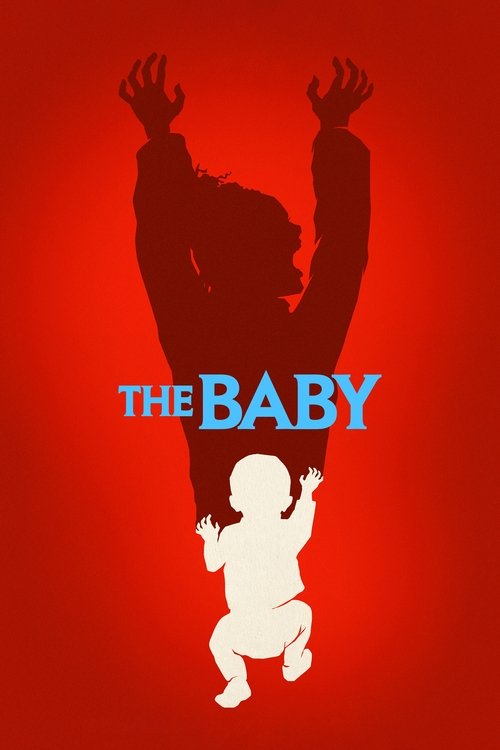
The series opens with a young woman named Natasha, who is in her early thirties and grappling with the pressures of her life. She is single and feels a sense of urgency about her future, particularly regarding motherhood. Natasha is seen in various scenes where she interacts with her friends, who are all at different stages of their lives, some with children and others contemplating parenthood. This sets the stage for her internal conflict about wanting a child but feeling unprepared for the responsibilities that come with it.
One night, Natasha attends a party where she meets a man named Bob. They share a brief connection, and after some flirtation, they end up spending the night together. The next morning, Natasha wakes up to find that Bob has left, and she feels a mix of disappointment and relief. This encounter serves as a catalyst for her to reflect on her desires and fears about becoming a mother.
Shortly after this, Natasha discovers she is pregnant. The news shocks her, and she experiences a whirlwind of emotions, from excitement to panic. She confides in her best friend, who encourages her to consider her options. Natasha contemplates whether to keep the baby or terminate the pregnancy, feeling torn between societal expectations and her own aspirations.
As Natasha navigates her pregnancy, she begins to experience strange occurrences. She finds herself haunted by visions of a baby that seems to have a mind of its own. The baby appears to be a supernatural entity, influencing her decisions and actions. This unsettling presence complicates her already tumultuous feelings about motherhood.
In a pivotal scene, Natasha attends a prenatal class where she meets other expectant mothers. The atmosphere is filled with joy and anticipation, but Natasha feels increasingly alienated. During the class, she has a vivid hallucination of the baby, which causes her to panic and leave abruptly. This moment highlights her growing anxiety and the disconnect she feels from the other mothers.
As the series progresses, Natasha's relationship with the baby becomes more intense. She begins to experience bizarre and violent incidents that seem to be connected to the baby. In one scene, she is at a park when she sees a group of mothers with their children. The sight triggers a violent outburst, and she lashes out at a mother who approaches her, revealing her deep-seated fears and frustrations.
Natasha's friends become increasingly concerned about her mental state. They try to intervene, suggesting she seek therapy or support groups. However, Natasha resists their help, feeling that no one can understand what she is going through. This isolation deepens her connection to the baby, which she starts to view as both a blessing and a curse.
In a climactic moment, Natasha decides to confront the supernatural aspects of her pregnancy. She seeks out a mysterious woman who claims to have knowledge about the baby's origins. This encounter leads to a series of revelations about the baby's true nature and the dark forces at play. Natasha learns that the baby is not just a child but a manifestation of her deepest fears and desires, representing both her longing for connection and her dread of motherhood.
The tension escalates as Natasha grapples with the implications of this knowledge. She faces a choice: to embrace the baby and the life it represents or to reject it and reclaim her autonomy. In a dramatic sequence, she attempts to rid herself of the baby, leading to a confrontation that tests her resolve and forces her to confront her own identity.
In the final scenes, Natasha makes a decisive choice about her future. She embraces the complexities of motherhood, acknowledging both the joy and the pain it brings. The series concludes with a powerful visual of Natasha holding the baby, symbolizing her acceptance of her new reality. The emotional weight of her journey is palpable, leaving viewers with a sense of closure as she steps into her new role, transformed by the experience.





What is the ending?
In the ending of "The Baby," the protagonist, Natasha, confronts the reality of her situation with the supernatural baby. After a series of harrowing events, she ultimately decides to take control of her life, leading to a climactic confrontation that results in significant changes for her and the baby. The series concludes with Natasha making a choice that reflects her growth and acceptance of her circumstances.
As the final episode unfolds, we find Natasha in a state of turmoil, grappling with the chaos that the baby has brought into her life. The atmosphere is tense, filled with a sense of impending resolution. Natasha, having experienced the loss of friends and the unraveling of her previous life, stands at a crossroads. The baby, with its eerie presence, symbolizes both a burden and a strange connection that Natasha cannot ignore.
Scene by scene, the narrative progresses:
The episode opens with Natasha in her apartment, surrounded by remnants of her past life. The walls are adorned with memories that now feel distant. She is visibly shaken, her eyes reflecting a mix of fear and determination. The baby, cooing softly in the corner, seems to watch her with an unsettling awareness. Natasha's internal conflict is palpable; she feels trapped between her desire for freedom and the inexplicable bond she shares with the baby.
In the next scene, Natasha seeks out her friend, who has been a source of support throughout her ordeal. They meet in a dimly lit café, where Natasha confesses her fears about the baby and the strange occurrences that have followed it. Her friend listens intently, offering a mix of sympathy and concern. This moment highlights Natasha's vulnerability and her need for connection as she navigates her chaotic reality.
As the story progresses, Natasha's encounters with the baby become increasingly intense. She experiences vivid flashbacks of her life before the baby, filled with laughter and joy, contrasting sharply with her current struggles. These memories serve as a reminder of what she has lost and what she yearns to reclaim. The emotional weight of these scenes underscores her desperation and the stakes of her situation.
The climax arrives when Natasha decides to confront the baby directly. In a dimly lit room, she faces the child, who seems to emanate an otherworldly energy. The tension is thick as she grapples with her feelings of love, fear, and resentment. In a moment of clarity, Natasha realizes that she must take control of her life, rather than allowing the baby to dictate her fate. This pivotal scene marks a turning point for her character, showcasing her growth and resolve.
In the final moments, Natasha makes a bold decision that alters the course of her life. She embraces the baby, acknowledging the bond they share while also asserting her independence. The atmosphere shifts as she takes a deep breath, symbolizing her acceptance of the situation. The baby, in turn, responds to her newfound strength, and a sense of calm washes over the room.
As the series concludes, we see Natasha stepping out into the world, the baby in her arms. The sun shines brightly, illuminating her path forward. This final image encapsulates her journey from chaos to empowerment, leaving viewers with a sense of hope for her future.
In terms of character fates, Natasha emerges as a transformed individual, ready to face the challenges ahead with newfound strength. The baby, while still a source of mystery, becomes a part of her life that she chooses to embrace rather than fear. The other characters, who have faced their own struggles throughout the series, are left behind in Natasha's past, emphasizing her journey of self-discovery and acceptance.
Is there a post-credit scene?
In the miniseries "The Baby," there is no post-credit scene. The series concludes without any additional scenes after the credits roll, leaving the story wrapped up as it finishes. The focus remains on the narrative and character arcs developed throughout the episodes, providing a complete experience without extending into a post-credit moment.
What happens to Natasha after she discovers the baby?
After Natasha discovers the baby, she is initially overwhelmed and confused by the sudden responsibility thrust upon her. As she grapples with her new reality, she experiences a mix of fear and protectiveness. Her internal conflict intensifies as she tries to understand the implications of having the baby in her life, leading her to make choices that reflect her struggle between wanting freedom and the unexpected bond she forms with the child.
How does the relationship between Natasha and her friend change throughout the series?
Throughout the series, Natasha's relationship with her friend, who initially supports her, becomes strained as the weight of the baby's presence alters their dynamic. Natasha's friend grows increasingly concerned about Natasha's mental state and the choices she makes, leading to tension and conflict. This shift highlights Natasha's isolation as she becomes more consumed by her new role as a caregiver, causing her friend to question their friendship and the boundaries of support.
What role does the mysterious figure play in Natasha's life?
The mysterious figure in Natasha's life serves as a haunting presence that embodies her fears and the consequences of her choices. This figure appears at critical moments, often representing the darker aspects of motherhood and the societal pressures surrounding it. Natasha's encounters with this figure force her to confront her own insecurities and the reality of her situation, pushing her further into a psychological struggle that blurs the lines between reality and her imagination.
How does the baby influence Natasha's decisions throughout the series?
The baby profoundly influences Natasha's decisions, acting as both a catalyst for change and a source of conflict. As she navigates her life, the baby becomes a symbol of her desires and fears, leading her to make choices that often contradict her previous aspirations. The emotional weight of caring for the baby forces Natasha to reevaluate her priorities, relationships, and ultimately her identity, as she oscillates between embracing motherhood and yearning for her former independence.
What are the consequences of Natasha's actions regarding the baby?
The consequences of Natasha's actions regarding the baby are significant and multifaceted. As she makes decisions that prioritize her own needs over the baby's welfare, she faces escalating repercussions that affect her mental health, relationships, and sense of self. These consequences manifest in moments of crisis, where Natasha must confront the reality of her choices, leading to a deeper exploration of her character and the impact of her actions on those around her.
Is this family friendly?
"The Baby" is not considered family-friendly and contains several potentially objectionable or upsetting scenes that may be distressing for children or sensitive viewers.
-
Violence and Gore: The show includes scenes of violence that may be graphic or unsettling, which could be disturbing for younger audiences.
-
Dark Themes: The narrative explores themes of motherhood, control, and loss, often in a dark and unsettling manner that may not be suitable for children.
-
Supernatural Elements: The presence of supernatural occurrences can be frightening and may evoke anxiety or fear in younger viewers.
-
Emotional Distress: Characters experience significant emotional turmoil, including grief and trauma, which may be heavy for sensitive viewers.
-
Adult Language and Situations: The dialogue includes strong language and adult situations that are inappropriate for children.
These elements contribute to a tone that is more suited for mature audiences, making it advisable for parents to review the content before allowing children to watch.









