


















Popular
Should I watch it?
Ask Your Own Question

What is the plot?
Sorry, we aren't able to watch and write up a full detailed plot yet. Check back in a few days.
More Movies Like This
Browse All Movies →



What is the ending?
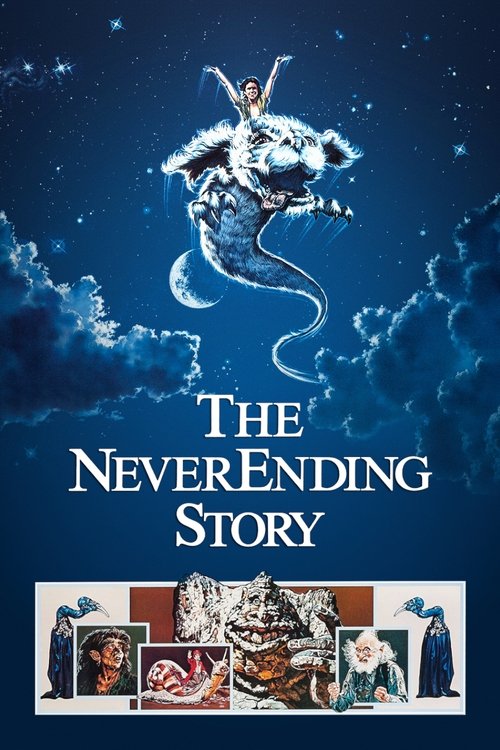
At the end of The NeverEnding Story, Atreyu defeats the Nothing by bringing hope back to Fantasia, and Bastian, the boy reading the story, learns to believe in himself. He calls out the name of the Empress, giving her a new name, which restores Fantasia. The film concludes with Bastian flying on the back of Falkor, the luck dragon, as he embraces his newfound courage and imagination.
As the climax of The NeverEnding Story unfolds, we find ourselves in the heart of Fantasia, where the battle against the Nothing has reached a critical point. Atreyu, the brave warrior, has faced numerous trials and tribulations throughout his journey, including the loss of his beloved horse, Artax, who succumbed to despair in the Swamps of Sadness. This moment has left Atreyu heartbroken but resolute in his quest to save Fantasia.
In the final scenes, the Childlike Empress, who represents the heart of Fantasia, is gravely ill, and her condition is directly tied to the encroaching Nothing. Atreyu learns that the only way to save her and Fantasia is to find a human child who can give her a new name. This revelation leads him to the realization that the fate of Fantasia rests not only on his shoulders but also on the belief and imagination of a child in the real world.
Meanwhile, Bastian, the boy reading the story, is deeply engrossed in Atreyu's journey. He has been captivated by the tale, feeling a connection to Atreyu's struggles and the plight of Fantasia. As the Nothing continues to consume the land, Bastian feels a growing sense of despair, mirroring Atreyu's own challenges. The two characters are intertwined, with Bastian's emotional state influencing the outcome of the story.
In a pivotal moment, Bastian realizes that he has the power to change the course of the narrative. He musters the courage to call out the name of the Empress, which he has been holding back. With a loud and heartfelt declaration, he shouts, "Moon Child!" This act of naming not only revives the Empress but also symbolizes Bastian's acceptance of his own identity and the importance of imagination.
As the Empress is restored, Fantasia begins to regenerate, with vibrant colors and life returning to the land. Atreyu stands by her side, filled with hope and relief. The Nothing is vanquished, and the realm is saved, showcasing the triumph of belief and creativity over despair.
In the final moments, Bastian is transported into Fantasia, where he finds himself riding on the back of Falkor, the luck dragon. This exhilarating flight symbolizes his newfound confidence and the limitless possibilities of his imagination. Bastian's journey has come full circle; he has transformed from a timid boy into a courageous hero, embracing the magic of storytelling.
As the film concludes, we see Bastian soaring through the skies of Fantasia, a testament to the power of belief and the importance of dreams. The story ends on a hopeful note, emphasizing that the adventure continues, and the magic of imagination is never truly over. Each character, from Atreyu to the Empress, has played a vital role in this journey, and their fates are intertwined with Bastian's growth and acceptance of himself.
Is there a post-credit scene?
The NeverEnding Story, produced in 1984, does not have a post-credit scene. The film concludes with a powerful and emotional climax, where Atreyu defeats the Nothing and Bastian learns to believe in himself. The story wraps up as Bastian flies on the back of Falkor, the luck dragon, through the skies of Fantasia, calling out the names of his friends and loved ones, which signifies his newfound confidence and connection to the world around him. The film ends on this uplifting note, leaving no additional scenes or content after the credits.
What is the significance of the Childlike Empress in The NeverEnding Story?
The Childlike Empress, also known as Moon Child, is a central figure in The NeverEnding Story. She represents the embodiment of hope and the power of imagination. Her health is directly tied to the fate of Fantasia, and when she falls ill due to the Nothing, it symbolizes the loss of creativity and belief in dreams. Atreyu, the hero of the story, is tasked with saving her, which drives the narrative forward and highlights the importance of courage and perseverance.
Who is Atreyu and what is his quest?
Atreyu is a young warrior from the Plains People, chosen to embark on a perilous quest to save the Childlike Empress and, by extension, Fantasia from the encroaching Nothing. He is characterized by his bravery, determination, and deep sense of responsibility. Throughout his journey, he faces numerous challenges, including battling Gmork, a fearsome wolf-like creature, and overcoming his own doubts and fears, which ultimately shape his character and growth.
What role does Bastian play in the story?
Bastian Balthazar Bux is a shy, introverted boy who discovers the magical book that tells the story of Fantasia. His character serves as a bridge between the real world and the fantasy realm. As he reads, he becomes emotionally invested in Atreyu's journey, and his own struggles with bullying and self-worth parallel the challenges faced by the characters in Fantasia. Ultimately, Bastian's actions in the story reflect his desire for acceptance and his need to believe in himself.
What is the Nothing and how does it affect Fantasia?
The Nothing is a malevolent force that represents despair and the loss of hope, consuming everything in its path within Fantasia. It manifests as a dark void that erases entire landscapes and creatures, symbolizing the destruction of imagination and dreams. The threat of the Nothing drives the plot, as characters like Atreyu and the Childlike Empress struggle to combat its influence, highlighting the importance of belief and creativity in overcoming adversity.
What is the significance of the Auryn amulet?
The Auryn is a powerful amulet that symbolizes the connection between the Childlike Empress and the fate of Fantasia. It grants wishes and serves as a guide for Atreyu during his quest. The Auryn's dual nature, representing both hope and the potential for selfish desires, plays a crucial role in the story. It ultimately reflects Bastian's journey as he learns to use its power wisely, emphasizing themes of responsibility and the impact of one's choices.
Is this family friendly?
The NeverEnding Story, produced in 1984, is generally considered family-friendly, but it does contain some scenes that may be upsetting or objectionable for younger children or sensitive viewers. Here are a few aspects to be aware of:
-
The Nothing: The concept of "The Nothing" represents despair and destruction, which can be frightening. It manifests as a dark, consuming force that erases everything in its path, creating a sense of hopelessness.
-
Gmork: The wolf-like creature Gmork serves as a menacing antagonist. His presence and the way he speaks about the Nothing can be intimidating, especially during his confrontations with the protagonists.
-
Atreyu's Quest: Atreyu, the young warrior, faces numerous challenges and dangers throughout his journey, including battles with fearsome creatures and the emotional weight of his mission to save the land of Fantasia.
-
Artax's Death: One of the most poignant and distressing scenes involves Atreyu's horse, Artax, who succumbs to despair in the Swamps of Sadness. This moment is emotionally charged and can be particularly upsetting for children.
-
Themes of Loss and Despair: The overarching themes of loss, the struggle against hopelessness, and the fight to maintain hope in the face of overwhelming odds may resonate deeply and evoke strong emotions.
-
Visuals of Destruction: The imagery associated with the Nothing and the destruction of Fantasia can be visually unsettling, with scenes depicting landscapes being swallowed and characters facing dire situations.
While these elements contribute to the film's depth and emotional resonance, they may be challenging for younger audiences or those sensitive to darker themes.