








Popular
What motivates Egon Schiele's obsession with capturing the human form in his art?
How does Egon Schiele's relationship with his muse, Wally Neuzil, influence his work?
What role does the character of Schiele's mother play in shaping his identity as an artist?
How does the film portray the societal reaction to Schiele's controversial artwork?
What is the significance of the trial that Egon Schiele faces in the film?
Should I watch it?
Ask Your Own Question

What is the plot?
Sorry, we aren't able to watch and write up a full detailed plot yet. Check back in a few days.

What is the ending?
In the ending of "Egon Schiele: Excess and Punishment," Egon Schiele faces the consequences of his provocative art and lifestyle. After a series of tumultuous events, including his arrest and the impact of World War I, Schiele's life comes to a tragic close as he succumbs to the Spanish flu. His relationships with his models and lovers, particularly with Wally Neuzil, are deeply affected by his choices and the societal backlash against his work. The film concludes with a somber reflection on the cost of artistic expression and the fleeting nature of life.
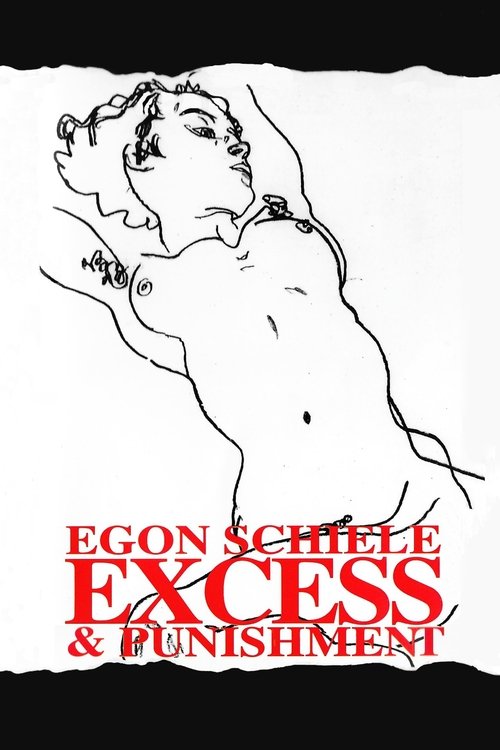
As the film approaches its conclusion, the atmosphere grows increasingly tense. The narrative unfolds with Egon Schiele in his studio, surrounded by his provocative paintings that challenge societal norms. The camera lingers on the vibrant colors and raw emotions captured in his work, reflecting his inner turmoil and desire for freedom. Schiele is portrayed as a man driven by passion, yet haunted by the repercussions of his art.
Scene by scene, the film reveals the mounting pressure on Schiele. He is arrested for obscenity, a pivotal moment that showcases the conflict between his artistic vision and societal expectations. The scene is charged with emotion as Schiele, defiant yet vulnerable, faces the authorities. His arrest serves as a catalyst for his introspection, forcing him to confront the implications of his work and the impact it has on those around him.
Following his release, Schiele's relationship with Wally Neuzil becomes strained. Wally, portrayed as both muse and lover, grapples with her own desires and the societal constraints imposed upon them. Their interactions are filled with passion but also tinged with sadness, as Wally begins to realize the toll that Schiele's lifestyle takes on their future. The emotional weight of their connection is palpable, and the audience witnesses the fragility of their bond as they navigate the complexities of love and ambition.
As World War I looms, the film captures the chaos and uncertainty of the time. Schiele's world is increasingly overshadowed by the war, and the once-vibrant cityscape becomes a backdrop for despair. The scenes depict the stark contrast between Schiele's artistic fervor and the grim realities of life during wartime. The emotional landscape shifts dramatically, reflecting the characters' struggles against external forces that threaten to consume them.
In the final act, the narrative takes a tragic turn as Schiele falls ill with the Spanish flu. The scenes are haunting, showcasing his physical decline and the isolation he experiences. The once-vibrant artist is now frail and vulnerable, a stark reminder of the fragility of life. Wally, who has remained by his side, embodies a mix of devotion and sorrow as she witnesses his suffering. Their final moments together are filled with unspoken words and lingering glances, encapsulating the depth of their connection amidst the impending loss.
As Schiele's life comes to an end, the film poignantly captures the essence of his character--a man who lived fiercely but ultimately paid the price for his excesses. The closing scenes reflect on the themes of mortality and the ephemeral nature of artistic legacy. Wally is left to grapple with the aftermath of Schiele's death, her own future uncertain as she mourns the loss of both the man and the artist.
The film concludes with a somber tone, leaving the audience to reflect on the sacrifices made in the name of art and the enduring impact of Schiele's work, even in the face of tragedy. Each character's fate is intertwined with the overarching narrative of passion, consequence, and the relentless passage of time, culminating in a poignant reminder of the cost of creative expression.
Is there a post-credit scene?
The movie "Egon Schiele: Excess and Punishment," produced in 1980, does not feature a post-credit scene. The film concludes with a poignant resolution to Egon Schiele's tumultuous life and artistic journey, focusing on his struggles with societal norms, personal relationships, and the consequences of his provocative art. The ending encapsulates the themes of excess and punishment that permeate the narrative, leaving the audience to reflect on Schiele's legacy without any additional scenes after the credits.
What motivates Egon Schiele's obsession with capturing the human form in his art?
Egon Schiele is driven by a profound desire to explore the depths of human emotion and sexuality through his art. His fascination with the human body stems from a need to express the raw, often uncomfortable truths of existence. This obsession is depicted through his intense and sometimes controversial portraits, which reveal not only the physicality of his subjects but also their inner turmoil and vulnerability.
How does Egon Schiele's relationship with his muse, Wally Neuzil, influence his work?
Wally Neuzil serves as both a muse and a lover for Egon Schiele, profoundly impacting his artistic vision. Their tumultuous relationship is marked by passion and conflict, which fuels Schiele's creativity. Wally's presence in his life inspires a series of intimate and provocative works that reflect their emotional connection, as well as the struggles they face in a society that often condemns their unconventional love.
What role does the character of Schiele's mother play in shaping his identity as an artist?
Egon Schiele's mother is a significant figure in his early life, instilling in him both a sense of artistic ambition and a complex emotional landscape. Her strict and controlling nature contrasts with Schiele's desire for freedom and self-expression. This dynamic creates a tension that influences his artistic development, as he seeks to break free from her constraints while simultaneously grappling with feelings of guilt and obligation.
How does the film portray the societal reaction to Schiele's controversial artwork?
The film vividly illustrates the backlash Egon Schiele faces from society due to his provocative and often explicit artwork. Critics and the public react with shock and disdain, viewing his pieces as scandalous and immoral. This societal condemnation serves as a backdrop to Schiele's struggles, highlighting the tension between artistic freedom and societal norms, and ultimately pushing him to confront the consequences of his artistic choices.
What is the significance of the trial that Egon Schiele faces in the film?
The trial that Egon Schiele faces is a pivotal moment in the film, symbolizing the clash between artistic expression and societal morality. Charged with obscenity, Schiele's legal battle reflects the broader cultural anxieties of the time regarding sexuality and art. This conflict not only tests Schiele's resolve as an artist but also forces him to confront the implications of his work on his personal life and relationships.
Is this family friendly?
"Egon Schiele: Excess and Punishment," produced in 1980, is not considered family-friendly due to its mature themes and explicit content. The film explores the life of the Austrian painter Egon Schiele, known for his provocative and often controversial artwork.
Potentially objectionable or upsetting aspects include:
-
Nudity and Sexual Content: The film features scenes of nudity and sexual situations that reflect Schiele's artistic focus on the human body and sexuality, which may be inappropriate for children.
-
Themes of Death and Mortality: The narrative delves into themes of death, illness, and the impact of war, which can be distressing for sensitive viewers.
-
Emotional Turmoil: Characters experience intense emotional struggles, including themes of obsession, betrayal, and existential despair, which may be unsettling.
-
Depictions of Violence: There are moments that may include violence or aggressive behavior, reflecting the tumultuous nature of Schiele's life and the societal context of his time.
-
Substance Abuse: The film touches on themes of addiction and the impact of substance use on relationships and personal well-being.
These elements contribute to the film's overall mature rating and may not be suitable for younger audiences or those who are sensitive to such content.









