

Popular
How do the supporting characters influence the main storyline in this episode?
What role does humor play in the interactions between the characters in this episode?
What specific event triggers the climax of Episode 9?
How does the character development of the protagonist evolve in this episode?
What challenges do the characters face in Episode 9?
Should I watch it?
Ask Your Own Question

What is the plot?
In Episode 9 of "Oldsters," the episode opens with a bright morning in the retirement community where the main characters reside. The camera pans through the common area, showcasing the vibrant interactions among the residents. We see Harold, a witty and somewhat cynical character, sitting at a table, reading the newspaper. He is joined by his friend, Edna, who is excitedly discussing her plans for the upcoming community talent show. Harold, however, is skeptical about the talent show, believing it to be a waste of time.
As Edna continues to express her enthusiasm, she reveals that she plans to perform a dance routine. Harold rolls his eyes but secretly admires her spirit. The scene shifts to the communal garden, where a group of residents is tending to flowers. Among them is Mildred, who is known for her competitive nature. She overhears Edna's plans and decides she must outshine her in the talent show, leading to a rivalry that sets the tone for the episode.
Later, the residents gather in the common room for a meeting about the talent show. The community manager, Mr. Thompson, outlines the rules and encourages everyone to participate. Edna volunteers to organize the event, and the residents cheer her on. However, Mildred, feeling threatened, whispers to her friend about sabotaging Edna's performance. This moment highlights the brewing tension between the two women.
As the preparations for the talent show begin, we see Edna practicing her dance routine in her room. She is filled with a mix of excitement and anxiety, rehearsing in front of a mirror. Meanwhile, Mildred is plotting her own performance, which she believes will be more impressive. She enlists the help of her friends to create a flashy act that will steal the spotlight.
The day of the talent show arrives, and the common room is decorated with colorful streamers and lights. Residents gather, buzzing with anticipation. Edna is backstage, nervously pacing as she waits for her turn. She can hear the applause for the other acts, which only heightens her anxiety. Harold, watching from the audience, offers her a reassuring smile, trying to boost her confidence.
Mildred goes on stage first, performing a dramatic monologue that captivates the audience. She receives thunderous applause, and her confidence grows. After her performance, she smirks backstage, feeling victorious. Edna, still waiting, feels the pressure mounting as she hears the cheers for Mildred.
Finally, it's Edna's turn. She steps onto the stage, her heart racing. As the music starts, she begins her dance routine. Initially, she stumbles, but she quickly regains her composure and pours her heart into the performance. The audience is captivated, and Harold watches with pride. Edna's passion shines through, and she begins to enjoy herself, losing her initial nerves.
However, just as Edna reaches the climax of her routine, Mildred attempts to sabotage her by pulling a prank involving a hidden prop that causes a distraction. The audience gasps, and Edna falters momentarily. But instead of letting it defeat her, she improvises, turning the mishap into part of her act. The crowd erupts in applause, and Edna finishes strong, beaming with joy.
After the performances, the residents vote for their favorite act. Tension fills the air as the results are announced. Edna wins the talent show, much to Mildred's dismay. The audience cheers, and Edna is overwhelmed with happiness. Harold rushes to congratulate her, and they share a heartfelt moment celebrating her victory.
In the closing scenes, Mildred confronts Edna, admitting her jealousy and apologizing for her earlier behavior. Edna, showing her forgiving nature, accepts the apology, and they share a moment of camaraderie. The episode ends with the residents enjoying a celebratory party, highlighting the bonds formed through the competition and the joy of community.






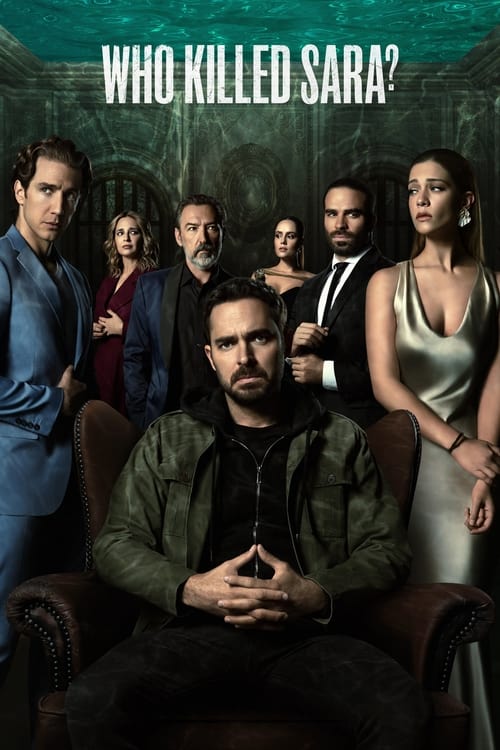
What is the ending?
In the ending of "Oldsters," Season 1, Episode 9, the characters confront their pasts and make significant decisions about their futures. The episode culminates in a heartfelt gathering where unresolved tensions are addressed, leading to moments of reconciliation and understanding among the group. Each character finds a sense of closure, and the episode ends on a hopeful note, suggesting new beginnings.
As the episode unfolds, we find ourselves in a cozy living room filled with the warm glow of evening light. The main characters, a group of elderly friends, have gathered for what they hope will be a night of laughter and reminiscing. However, the atmosphere is thick with unspoken words and lingering resentments.
The first scene opens with Harold, a retired teacher, nervously adjusting his glasses as he prepares to address the group. He has been harboring feelings of regret about a past argument with his old friend, Martha. As he speaks, his voice trembles slightly, revealing his vulnerability. He expresses his desire to mend their friendship, and the room falls silent, the weight of his words hanging in the air.
Martha, a spirited woman with a sharp wit, looks taken aback. Her initial reaction is one of defensiveness, but as Harold continues to speak from the heart, her expression softens. She recalls the good times they shared, and the tension begins to dissipate. The camera captures the flicker of emotions on her face, showcasing the internal struggle between pride and the longing for connection.
Next, we shift to the kitchen, where Frank, a jovial man with a penchant for storytelling, is preparing snacks. He overhears the conversation and decides to join in, bringing a light-heartedness to the moment. He shares a humorous anecdote from their youth, which elicits laughter and breaks the ice. This scene highlights the importance of humor in healing old wounds, as the group begins to relax and engage more openly.
As the night progresses, we see Linda, a quiet but observant member of the group, sitting apart from the others. She has been grappling with her own feelings of isolation and regret over missed opportunities in her life. In a poignant moment, she finally speaks up, sharing her fears and dreams. Her vulnerability resonates with the others, prompting them to open up about their own struggles. This scene emphasizes the theme of shared experiences and the power of vulnerability in fostering deeper connections.
The climax of the episode occurs when the group decides to play a game that encourages them to share their most cherished memories. As they take turns, the atmosphere shifts from one of tension to warmth and camaraderie. Each character reveals a piece of their past, and the audience witnesses the bonds of friendship being reforged. The camera captures the laughter, the tears, and the moments of silence that speak volumes.
In the final scene, the group gathers for a toast, raising their glasses in celebration of their renewed friendships. Harold and Martha share a meaningful glance, signaling their reconciliation. Frank cracks a joke, and the laughter that follows is genuine and heartfelt. Linda, now fully engaged, smiles brightly, her earlier reservations forgotten. The episode closes with a sense of hope and possibility, as the characters embrace the idea of moving forward together.
As the credits roll, we see each character's fate: Harold and Martha have rekindled their friendship, Frank continues to be the life of the party, and Linda finds her voice among her friends. The episode leaves viewers with a sense of warmth, highlighting the importance of connection, forgiveness, and the beauty of growing old together.
Is there a post-credit scene?
In "Episode 9" of "Oldsters," there is indeed a post-credit scene that adds a humorous twist to the episode's events. After the main credits roll, the scene opens in the community center where the elderly characters often gather. The camera pans to a group of seniors engaged in a lively game of bingo. The atmosphere is filled with laughter and friendly banter, showcasing the camaraderie among the characters.
Suddenly, one of the seniors, known for his mischievous nature, stands up and dramatically announces that he has a "bingo." The excitement in the room builds as everyone turns to him, only to find that he has mistakenly called it out for a non-existent win. The other seniors groan in playful frustration, and one of the women quips about how he always seems to find a way to stir up trouble.
As the laughter continues, the scene shifts to a close-up of the mischievous senior, who winks at the camera, revealing that he was just trying to lighten the mood. The scene ends with the group erupting into laughter, encapsulating the show's theme of finding joy and connection in the later years of life. This light-hearted moment serves as a perfect capstone to the episode, leaving viewers with a smile.
How do the supporting characters influence the main storyline in this episode?
In Episode 9, the supporting characters play a vital role in shaping the main storyline. Their interactions with the protagonist provide critical insights and perspectives that challenge the protagonist's views. For example, a wise elder character offers sage advice that prompts the protagonist to reconsider their choices, while a more impulsive friend encourages them to take risks, ultimately influencing the protagonist's decision-making process.
What role does humor play in the interactions between the characters in this episode?
Humor plays a crucial role in Episode 9, serving as a coping mechanism for the characters as they deal with serious issues. The comedic exchanges often arise during tense moments, providing relief and showcasing the characters' camaraderie. For instance, a lighthearted banter between two friends lightens the mood after a heavy confrontation, illustrating how humor can strengthen their bond even in difficult times.
What specific event triggers the climax of Episode 9?
The climax of Episode 9 is triggered by a sudden revelation during a group gathering, where a long-held secret is exposed. This revelation creates a ripple effect among the characters, leading to heightened emotions and confrontations. The tension escalates as characters react to the news, revealing their vulnerabilities and forcing them to confront unresolved issues from their past.
How does the character development of the protagonist evolve in this episode?
In Episode 9, the protagonist experiences significant character development as they confront their fears and insecurities. This episode showcases their journey towards self-acceptance, highlighted by a pivotal moment where they must choose between staying in their comfort zone or taking a risk that could lead to personal fulfillment. The emotional weight of this decision is palpable, as they grapple with the potential consequences.
What challenges do the characters face in Episode 9?
In Episode 9, the characters face various challenges that test their relationships and personal growth. One significant challenge is the conflict between two main characters, who struggle to communicate their feelings, leading to misunderstandings and emotional tension. Additionally, the group must navigate a crisis that forces them to confront their past decisions and the impact those decisions have on their current lives.
Is this family friendly?
In "Episode 9" of "Oldsters," there are a few elements that may be considered objectionable or upsetting for children or sensitive viewers.
-
Mature Themes: The episode explores themes of aging, loss, and the challenges faced by older adults, which may be heavy for younger audiences to fully grasp.
-
Emotional Moments: There are scenes that delve into the emotional struggles of the characters, including feelings of loneliness and regret, which could be distressing for some viewers.
-
Humor: The humor in the show sometimes touches on sensitive topics related to aging and health, which might not resonate well with all viewers.
-
Conflict: There are moments of conflict between characters that may involve raised voices or disagreements, which could be uncomfortable for younger viewers.
Overall, while the show is designed to be humorous and relatable, its exploration of deeper emotional issues may require parental guidance for younger audiences.