


Popular
What specific incidents during the filming of 'The Wizard of Oz' contributed to the belief that the film was cursed?
How did the character of the Wicked Witch of the West, portrayed by Margaret Hamilton, impact the perception of the film's curse?
What role did the Munchkins play in the narrative of the film's supposed curse?
How did Judy Garland's struggles during the production of 'The Wizard of Oz' contribute to the film's cursed reputation?
What specific superstitions or beliefs did the cast and crew have regarding the filming of 'The Wizard of Oz'?
Should I watch it?
Ask Your Own Question

What is the plot?
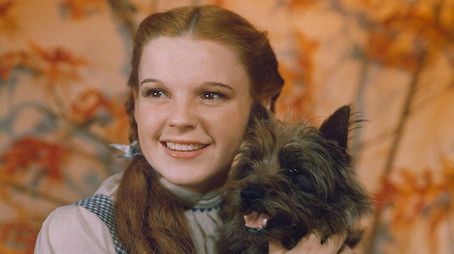
In the first episode of "Cursed Films" Season 2, titled "The Wizard of Oz," the narrative begins with an exploration of the iconic 1939 film, "The Wizard of Oz," and the various myths and legends surrounding its production. The episode opens with a montage of scenes from the film, showcasing the vibrant colors of Oz contrasted with the sepia tones of Kansas. This visual juxtaposition sets the stage for the discussion of the film's impact and the darker stories that have emerged over the years.
The episode then transitions to interviews with film historians and experts who recount the troubled production of "The Wizard of Oz." They detail the numerous challenges faced by the cast and crew, including the harsh working conditions, the extensive use of makeup, and the physical toll it took on the actors. One particularly harrowing account focuses on the actress who played the Wicked Witch of the West, Margaret Hamilton, and the severe burns she suffered during a scene involving pyrotechnics. This incident highlights the dangerous environment of the set and the risks taken to create the film's magical effects.
As the narrative unfolds, the episode delves into the casting of Judy Garland as Dorothy. Interviews reveal the pressures Garland faced, including her struggles with the studio's demands for her appearance and performance. The episode portrays her emotional state, emphasizing her vulnerability and the toll that fame took on her mental health. Clips of Garland's performances are interspersed with commentary about her personal struggles, painting a picture of a young woman caught between the demands of Hollywood and her own well-being.
The episode also addresses the urban legends that have arisen around the film, including the infamous "Munchkin suicide" rumor. Experts discuss the origins of this myth, examining the footage that allegedly shows a Munchkin hanging in the background. The episode presents various perspectives on the claim, ultimately debunking it while acknowledging the fascination it holds for fans and conspiracy theorists alike. This segment serves to illustrate how the film's legacy has been intertwined with sensational stories that have taken on a life of their own.
Another significant focus of the episode is the use of the "ruby slippers," which have become a symbol of the film. The narrative explores the history of the slippers, including their design and the impact they had on popular culture. Interviews with collectors and historians reveal the slippers' journey through time, including their theft and recovery, which adds a layer of intrigue to the story of the film's artifacts.
As the episode progresses, it highlights the tragic fates of some of the film's cast members. The discussion includes the untimely deaths of several actors, including Garland herself, and how these events have contributed to the film's cursed reputation. The emotional weight of these stories is palpable, as the episode reflects on the lives of those who brought the beloved characters to life, emphasizing the contrast between the film's cheerful exterior and the darker realities faced by its stars.
The episode concludes with a reflection on the enduring legacy of "The Wizard of Oz." It examines how the film continues to resonate with audiences today, despite the shadows cast by its production history. The final scenes feature a montage of modern interpretations and tributes to the film, underscoring its place in cinematic history while acknowledging the complexities of its creation. The episode leaves viewers with a sense of both wonder and caution, encapsulating the duality of a film that has enchanted generations while also carrying the weight of its troubled past.



What is the ending?
In the ending of "Cursed Films," Season 2, Episode 1, titled "The Wizard of Oz," the episode concludes by reflecting on the various tragedies and controversies surrounding the film's production. It highlights the lasting impact of the film on its cast and crew, particularly focusing on the fates of key figures like Judy Garland, who faced personal struggles after the film's success. The episode wraps up with a somber acknowledgment of the film's legacy, intertwining the magic of Oz with the darker realities faced by those involved in its creation.
As the episode progresses towards its conclusion, it begins to weave together the stories of the main characters and the film's production.
The first scene transitions into a montage of Judy Garland's life post-"The Wizard of Oz." The audience sees her rise to fame, juxtaposed with her struggles with mental health and substance abuse. The emotional weight of her experiences is palpable, as archival footage shows her vibrant performances contrasted with moments of vulnerability. The narration emphasizes her internal conflict, showcasing her desire for acceptance and the pressures of Hollywood.
Next, the episode shifts focus to the behind-the-scenes challenges faced by the production team. Interviews with film historians and experts reveal the intense working conditions, including the grueling schedules and the physical toll on the young actors. The audience learns about the infamous use of toxic substances to achieve the desired looks for the characters, particularly the Tin Man and the Cowardly Lion. This segment highlights the sacrifices made by the cast, underscoring the darker side of the film's enchanting imagery.
As the narrative unfolds, the episode delves into the fate of other key figures, such as Bert Lahr, who portrayed the Cowardly Lion. The audience learns about his struggles with typecasting and the impact of his role on his personal life. The emotional resonance of his character is explored, revealing how the pressures of fame affected his mental state.
The episode also touches on the tragic fate of Margaret Hamilton, who played the Wicked Witch of the West. Through interviews and archival footage, viewers gain insight into her experiences with typecasting and the public's fear of her character, which lingered long after the film's release. The emotional toll of being associated with such a menacing role is evident, as she navigates her career in the shadow of the witch.
As the episode nears its conclusion, it reflects on the legacy of "The Wizard of Oz." The final scenes showcase the film's enduring popularity, with clips of modern audiences experiencing the magic of Oz for the first time. However, this joy is tempered by the acknowledgment of the personal sacrifices made by those who brought the story to life. The episode closes with a poignant reminder that while the film remains a beloved classic, the lives of its creators were often marked by hardship and tragedy.
In the end, the fates of the main characters are intertwined with the film's legacy. Judy Garland's struggles with addiction and mental health serve as a stark reminder of the cost of fame. Bert Lahr's battle with typecasting and Margaret Hamilton's association with the Wicked Witch highlight the challenges faced by actors in the industry. The episode concludes on a reflective note, leaving viewers to ponder the complexities of the film's history and the lives affected by its creation.
Is there a post-credit scene?
In the episode "The Wizard of Oz" from season 2 of Cursed Films, there is no post-credit scene. The episode concludes with a reflective summary of the various myths and legends surrounding the making of the iconic film. It wraps up the exploration of the darker aspects and alleged curses associated with the production, leaving viewers with a sense of contemplation about the impact of the film on its cast and crew, rather than introducing any additional scenes or content after the credits.
What specific incidents during the filming of 'The Wizard of Oz' contributed to the belief that the film was cursed?
The episode delves into various incidents, such as the reported injuries of the actors, including the severe burns suffered by the Tin Man, played by Jack Haley, due to the aluminum powder used in his makeup. It also discusses the tragic fate of actor Buddy Ebsen, who was originally cast as the Tin Man but had to leave the production due to a severe allergic reaction to the makeup.
How did the character of the Wicked Witch of the West, portrayed by Margaret Hamilton, impact the perception of the film's curse?
Margaret Hamilton's portrayal of the Wicked Witch of the West is highlighted, particularly the scene where she was accidentally burned during filming. This incident not only caused her physical harm but also contributed to the eerie aura surrounding the character, leading many to believe that her on-screen malevolence translated into real-life misfortune.
What role did the Munchkins play in the narrative of the film's supposed curse?
The episode explores the controversial behavior of the Munchkin actors, including allegations of misconduct and the chaotic atmosphere on set. These stories added to the film's dark legacy, as they painted a picture of a troubled production that was rife with tension and misfortune.
How did Judy Garland's struggles during the production of 'The Wizard of Oz' contribute to the film's cursed reputation?
Judy Garland's personal struggles, including her battles with substance abuse and the pressures of Hollywood, are examined. The episode portrays her emotional state during filming, revealing how her experiences on set, including the intense scrutiny and harsh treatment by studio executives, contributed to the film's cursed narrative.
What specific superstitions or beliefs did the cast and crew have regarding the filming of 'The Wizard of Oz'?
The episode discusses various superstitions held by the cast and crew, such as avoiding certain numbers or rituals believed to ward off bad luck. These beliefs were often fueled by the series of unfortunate events that occurred during production, leading to a heightened sense of fear and anxiety among those involved.
Is this family friendly?
Cursed Films, Season 2, Episode 1 titled "The Wizard of Oz" explores the darker aspects and urban legends surrounding the beloved classic film. While the show is primarily documentary in nature, it does delve into some potentially objectionable or upsetting themes that may not be suitable for all family members, particularly children or sensitive viewers.
-
Discussion of Tragedy: The episode touches on the tragic events and untimely deaths associated with the film's cast and crew, which may be distressing for younger viewers.
-
Dark Themes: The exploration of curses and superstitions surrounding the film can introduce concepts of fear and anxiety, which might be unsettling for some.
-
Visual Imagery: There may be unsettling imagery or references to accidents that occurred during the production, which could be disturbing.
-
Emotional Impact: The emotional weight of the stories shared by those connected to the film can evoke feelings of sadness or discomfort.
-
Historical Context: The episode may include discussions of the pressures and challenges faced by the actors, particularly Judy Garland, which could be heavy for younger audiences.
Overall, while the episode is informative and engaging for older viewers, it contains elements that may not be appropriate for all children or sensitive individuals.