


Popular
What controversies surrounded the making of Cannibal Holocaust?
How did the cast members feel about their experiences during the filming of Cannibal Holocaust?
What specific scenes in Cannibal Holocaust caused the most outrage?
What was the impact of Cannibal Holocaust on the horror genre?
How did the film's marketing contribute to its notoriety?
Should I watch it?
Ask Your Own Question

What is the plot?
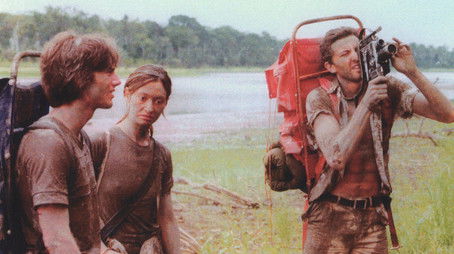
In the episode "Cannibal Holocaust" of Cursed Films, Season 2, the narrative begins with an introduction to the film "Cannibal Holocaust," directed by Ruggero Deodato in 1980. The episode sets the stage by discussing the film's controversial nature, highlighting its graphic violence and the real-life implications of its content. The filmmakers' intentions are explored, emphasizing the line between fiction and reality.
The episode transitions to the film's production, detailing the challenges faced by the crew as they traveled to the Amazon rainforest. Ruggero Deodato and his team are depicted as determined yet naive, driven by a desire to create a shocking piece of cinema. The harsh conditions of the jungle are vividly described, showcasing the struggles with the environment, including extreme weather and the threat of wildlife.
As the narrative unfolds, the episode delves into the casting of the film, particularly focusing on the actors who portrayed the indigenous tribes and the documentary crew. The motivations of the actors are explored, revealing their willingness to push boundaries for the sake of art. The episode highlights the ethical dilemmas faced during casting, especially regarding the portrayal of real-life indigenous cultures.
The film's infamous scenes are then discussed in detail, including the graphic depictions of violence and the controversial animal killings that occurred during filming. The episode presents interviews with film historians and critics who analyze these scenes, providing context for the outrage that followed the film's release. The emotional weight of these sequences is emphasized, showcasing the visceral reactions they elicited from audiences.
Following the film's release, the episode covers the backlash it received, including legal troubles for Deodato and accusations of obscenity. The public's reaction is portrayed through news clips and interviews, illustrating the moral panic surrounding the film. The episode captures the tension between artistic expression and societal norms, highlighting the fear that the film instilled in viewers.
The narrative then shifts to the aftermath of the film's release, focusing on the impact it had on the careers of those involved. Deodato's struggles with censorship and the legal system are detailed, showcasing his determination to defend his work. The episode also touches on the legacy of "Cannibal Holocaust," discussing how it influenced the horror genre and the found footage style.
As the episode progresses, it examines the psychological toll on the cast and crew, particularly the actors who faced public scrutiny. Interviews reveal their feelings of regret and the haunting memories of their experiences in the jungle. The emotional scars left by the production are explored, providing insight into the personal struggles of those involved.
The episode concludes with a reflection on the film's place in cinematic history. It discusses the ongoing debates about the ethics of filmmaking and the responsibilities of filmmakers towards their subjects. The legacy of "Cannibal Holocaust" is framed as a cautionary tale, emphasizing the fine line between art and exploitation. The final moments leave viewers with a sense of unease, pondering the implications of the film's content and its impact on both the industry and society at large.




What is the ending?
In the ending of "Cannibal Holocaust," the film concludes with the shocking revelation of the footage captured by the documentary crew, which leads to a moral and ethical reckoning. The fate of the characters is grim, as the audience learns that the crew members have met violent ends, and the film raises questions about the nature of exploitation and the consequences of their actions.
As the episode unfolds, it begins with the aftermath of the documentary crew's expedition into the Amazon rainforest. The narrative shifts to the authorities who have recovered the film reels, revealing the gruesome content captured by the crew. The footage shows the crew's descent into barbarism, as they exploit and brutalize the indigenous tribes they encounter.
The episode highlights the character of Alan Yates, the director of the documentary, who initially appears charismatic and ambitious. However, as the footage is examined, his motivations are scrutinized. The audience witnesses his transformation from a passionate filmmaker to a figure consumed by greed and a desire for shock value. His fate is sealed as the authorities grapple with the moral implications of the footage, leading to his condemnation.
The other crew members, including Faye and Jack, are also shown in their final moments. Faye, who initially seems to have a sense of morality, becomes complicit in the violence as the crew's actions escalate. Her fate is tragic, as she ultimately succumbs to the chaos and brutality that surrounds her. Jack, the cameraman, is depicted as increasingly disturbed by the events unfolding around him, yet he is unable to escape the cycle of violence that the crew perpetuates. His demise is a direct result of the crew's reckless actions, highlighting the destructive nature of their quest for sensationalism.
As the episode draws to a close, the authorities decide to destroy the footage, recognizing the ethical dilemma it presents. The final scenes depict the haunting images of the indigenous people and the crew's horrific actions, leaving the audience with a sense of unease and reflection on the nature of humanity and exploitation. The episode ends on a somber note, emphasizing the consequences of the crew's choices and the moral questions that linger long after the credits roll.
Is there a post-credit scene?
In the episode "Cannibal Holocaust" from season 2 of Cursed Films, there is no post-credit scene. The episode concludes with a reflective summary of the film's impact and the controversies surrounding it, focusing on the ethical implications of its content and the legacy it left in the horror genre. The episode wraps up without any additional scenes or content after the credits, leaving viewers to ponder the themes discussed throughout the episode.
What controversies surrounded the making of Cannibal Holocaust?
The making of Cannibal Holocaust was fraught with controversies, particularly regarding its graphic violence and the ethical implications of its content. The film's director, Ruggero Deodato, faced legal issues due to accusations of obscenity and animal cruelty, as real animals were killed on screen. This led to a trial where Deodato had to prove that the actors were alive and not actually killed during the filming.
How did the cast members feel about their experiences during the filming of Cannibal Holocaust?
The cast members had mixed feelings about their experiences. Some, like actress Francesca Ciardi, expressed regret over the extreme conditions and the moral dilemmas they faced, while others, like actor Giovanni Lombardo Radice, embraced the film's notoriety and the impact it had on their careers. The emotional toll of participating in such a controversial project left lasting impressions on many of them.
What specific scenes in Cannibal Holocaust caused the most outrage?
Specific scenes that caused outrage included the graphic depictions of violence against both humans and animals, particularly the infamous scene where a turtle is killed and dismembered. The portrayal of indigenous tribes and the film's overall depiction of cannibalism also sparked significant backlash, leading to debates about exploitation and representation in cinema.
What was the impact of Cannibal Holocaust on the horror genre?
Cannibal Holocaust had a profound impact on the horror genre, influencing the found footage style and the concept of 'shock cinema.' Its realistic portrayal of violence and the ethical questions it raised about filmmaking techniques inspired future filmmakers to explore similar themes, while also prompting discussions about the responsibilities of filmmakers towards their subjects.
How did the film's marketing contribute to its notoriety?
The marketing of Cannibal Holocaust played a crucial role in its notoriety, as it was promoted with sensationalist claims about its authenticity and the real-life horrors depicted within. The tagline 'The most controversial film ever made' fueled public curiosity and outrage, leading to a cult following that both celebrated and condemned the film.
Is this family friendly?
"Cursed Films" Season 2, Episode 5 titled "Cannibal Holocaust" is not family-friendly and contains several potentially objectionable or upsetting scenes and aspects that may be distressing for children or sensitive viewers.
-
Graphic Violence: The episode discusses and depicts extreme violence, including scenes from the film "Cannibal Holocaust" that showcase brutal acts against characters.
-
Animal Cruelty: The episode addresses the real-life animal deaths that occurred during the filming of "Cannibal Holocaust," which can be particularly upsetting for animal lovers.
-
Disturbing Themes: The subject matter revolves around cannibalism and the moral implications of exploitation in filmmaking, which may be unsettling for younger audiences.
-
Horror Elements: The episode includes discussions of horror film tropes and the psychological impact of viewing such graphic content, which may be frightening for some viewers.
-
Emotional Distress: Interviews with individuals affected by the film's legacy may evoke strong emotional reactions, discussing trauma and the impact of the film on their lives.
Overall, the content is intended for mature audiences and may not be suitable for children or those sensitive to graphic and disturbing material.