






















Popular
What is the significance of John Coffey's ability to heal others?
How does the character of Paul Edgecomb evolve throughout the film?
What role does the character of Percy Wetmore play in the story?
What is the relationship between John Coffey and the mouse named Mr. Jingles?
How does the execution of John Coffey unfold, and what are the reactions of the characters involved?
Should I watch it?
Ask Your Own Question

What is the plot?
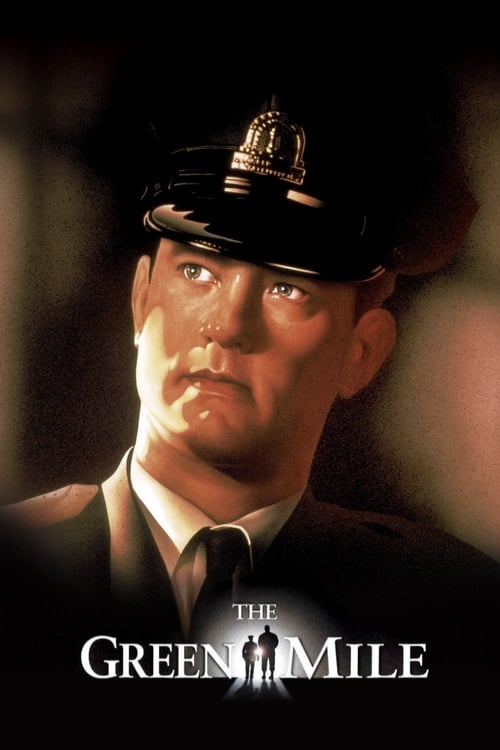
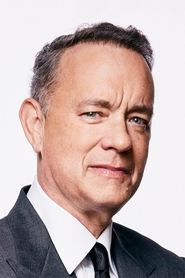
The Louisiana sun hangs heavy over the sprawling grounds of Cold Mountain Penitentiary in 1935, its oppressive heat pressing down on the red-brick walls and the men who live within them. The air is thick with the scent of sweat, old stone, and the faint, ever-present odor of fear. Inside, the death row block--known as E Block, or "The Green Mile"--is a corridor of lime-green linoleum that leads from the cells to the electric chair, "Old Sparky." The guards who walk this mile are a tight-knit group, led by Paul Edgecomb (Tom Hanks), a man whose sense of duty is matched only by his compassion. His team includes Brutus "Brutal" Howell (David Morse), Dean Stanton (Barry Pepper), and Harry Terwilliger (Jeffrey DeMunn). They maintain a fragile order, treating the condemned men with a measure of dignity as they prepare for their final walk.
But not all the guards are kind. Percy Wetmore (Doug Hutchison) is a sadistic, arrogant man whose connections to the state governor shield him from consequences. He delights in tormenting the inmates, and his cruelty is a constant source of tension. One of his favorite targets is a harmless mouse named Mr. Jingles, adopted by Eduard Delacroix (Michael Jeter), a French-speaking inmate who finds solace in the small creature. Mr. Jingles becomes a symbol of innocence in a place where innocence is rare.
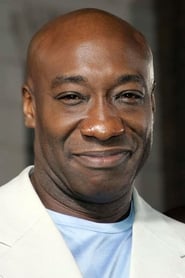
One day, a new prisoner arrives. John Coffey (Michael Clarke Duncan) is a towering Black man, his massive frame dwarfing the guards as he shuffles into the block. He is convicted of the rape and murder of two young white girls, a crime that has made him a pariah. But from the moment he steps onto the Green Mile, something about him feels different. He is gentle, almost childlike, and when he shakes Paul's hand, there is no shame in his eyes--only a quiet sadness. "I'm scared of the dark," he whispers, his voice trembling. Paul, who has seen countless men pass through E Block, senses something extraordinary about this man, though he cannot yet name it.
As the days pass, Paul begins to notice strange things. He is suffering from a painful urinary infection, and one night, while sitting at his desk, John Coffey approaches him. Without a word, John places his hands on Paul's head. A wave of warmth spreads through Paul's body, and the pain vanishes. "I just took it back," John says simply, as if explaining the weather. Paul is stunned, but he says nothing. He begins to doubt whether John could have committed the crimes for which he was convicted. The more he observes John, the more he is convinced of his innocence.
Meanwhile, the tension on the block escalates. Percy's cruelty reaches new heights when he deliberately neglects to wet the sponge on the electric chair during Delacroix's execution. As the current surges through Delacroix's body, his flesh cooks from within, and he screams in agony. The guards are horrified, but Percy watches with a twisted smile. John Coffey, overwhelmed by the pain and suffering, collapses to the floor, tears streaming down his face. In that moment, he inadvertently transfers some of his healing power into Mr. Jingles, who scurries away unharmed.
A new prisoner arrives: "Wild Bill" Wharton (Sam Rockwell), a violent, psychopathic man already on death row for multiple murders. Wharton is a rabble-rouser, taunting the guards and inmates alike. One day, he seizes John's arm, and in that instant, John psychically senses the truth: Wharton is the real killer of the two girls. John had found them dying and tried to heal them, but it was too late. Wharton had raped and murdered the girls, and John's attempt to save them led to his arrest. Paul, through a psychic vision, learns the truth as well. The realization is devastating. John is innocent, a man with a gift who has been condemned for a crime he did not commit.
Paul's warden, Hal Moores (James Cromwell), is distraught. His wife, Melinda (Patricia Clarkson), is dying from a brain tumor. Paul convinces Hal to let Melinda meet John, revealing to him how John healed his infection. The guards, excluding Percy, agree to help. They straitjacket Percy and confine him to a padded cell as punishment for his cruelty, then sneak John out of the prison to the warden's home. John places his hands on Melinda, absorbing her illness into himself. She is restored to health, but John is left in severe pain, his body wracked by the disease he has taken from her. Brutus understands that John has swallowed Melinda's sickness for a reason--he is sacrificing himself to save her.
Back at the prison, the guards release Percy, but John grabs hold of him and transfers the illness into Percy's body. In a possessed state, Percy shoots Wharton dead, then collapses into a catatonic state. Paul demands answers from John, who transfers Wharton's memories into him, revealing the full horror of the crimes. Percy is committed to Briar Ridge Mental Hospital, a broken man.
Despite the revelation of his innocence, John Coffey is scheduled for execution. The guards, torn between their duty and their conscience, prepare for the final walk. John tells them of his last dream, in which he and the two girls are safe and happy. He is saddened by the hatred he feels from those in attendance, who still believe him guilty, but Brutus encourages him to focus on the guards, who do not hate him. John requests not to wear a hood because he is afraid of the dark. Paul briefly takes John's hand before the tearful officers reluctantly carry out the execution.
After Coffey's death, Paul is forever haunted, admitting to feeling cursed for killing a man with God's gift. In the film's closing scenes, we see Paul as an old man living in a nursing home in 1999, recounting the story to a friend. He reveals that he has lived an extraordinarily long life--over 100 years--and that Mr. Jingles, the mouse, is still alive too. This revelation suggests that John Coffey's healing power extended to Paul, granting him an unnaturally extended lifespan as a consequence of executing an innocent man with supernatural gifts. The film ends with this haunting reminder of another execution some 2,000 years ago, drawing a parallel to the crucifixion of Christ.

What is the ending?
In the ending of The Green Mile, John Coffey is executed by electric chair despite his innocence. Paul Edgecomb, the prison guard, is deeply affected by the event. After the execution, Paul learns that John had the ability to heal and had taken on the pain of others. The film concludes with Paul, now an elderly man, reflecting on his life and the impact John had on him.
As the story approaches its climax, the atmosphere in the prison is heavy with tension and sorrow. John Coffey, a giant of a man with a gentle spirit, is led to the electric chair. The guards, including Paul Edgecomb, are filled with a mix of duty and dread. Paul, who has come to know John as a kind and innocent soul, struggles with the reality of executing a man he believes to be innocent.
In the execution chamber, the stark, cold environment is illuminated by harsh lights. John, visibly terrified, is strapped into the chair. Paul tries to comfort him, but the weight of the situation is palpable. As the execution begins, John's fear is evident, and he cries out for his mother, a heartbreaking moment that resonates with everyone present. The switch is pulled, and the electric current surges through John's body. The scene is harrowing, with the guards and witnesses grappling with the moral implications of their actions.
After the execution, Paul is left in a state of profound grief and guilt. He reflects on the events that transpired, particularly the miraculous healing powers John possessed. Paul recalls how John healed the warden's wife and even brought a mouse back to life, showcasing his extraordinary abilities. These memories haunt Paul, as he grapples with the injustice of John's fate.
In the aftermath, Paul learns that John Coffey had taken on the pain of others, absorbing their suffering. This revelation deepens Paul's understanding of John's character and the tragic circumstances that led to his execution. Paul's internal conflict is evident as he realizes that John was not just a prisoner but a man with a profound gift and a tragic story.
As the narrative shifts to the present, we see an elderly Paul Edgecomb in a nursing home, reflecting on his life. He shares his memories of John with a fellow resident, revealing the lasting impact John had on him. Paul's emotional state is one of sorrow and regret, as he acknowledges the weight of the choices he made and the lives affected by them.
The film concludes with Paul's poignant realization that he is now nearing the end of his own life, and he carries the burden of John's story with him. The final scenes emphasize the themes of compassion, injustice, and the enduring nature of human connection, leaving the audience with a sense of the profound impact one individual can have on another's life, even in the face of tragedy.
Is there a post-credit scene?
The Green Mile, produced in 1999, does not have a post-credit scene. The film concludes with a poignant ending that wraps up the story of Paul Edgecomb and his experiences on death row, particularly focusing on the impact of John Coffey's extraordinary abilities and the moral dilemmas faced by the characters. After the credits roll, there are no additional scenes or content that extend the narrative. The film leaves viewers with a sense of reflection on themes of compassion, justice, and the human condition.
What is the significance of John Coffey's ability to heal others?
John Coffey, a large African American man on death row, possesses a miraculous ability to heal others, which is a central plot element. His healing powers are first demonstrated when he cures Paul Edgecomb's urinary infection by simply touching him. Later, he heals the warden's wife, who is suffering from a brain tumor, showcasing his profound empathy and the burden of his gift. This ability serves as a stark contrast to the brutality of the death penalty and highlights Coffey's innocence and the injustice of his situation.
How does the character of Paul Edgecomb evolve throughout the film?
Paul Edgecomb, the head guard on death row, begins as a hardened prison officer who believes in the system. However, as he interacts with John Coffey, he becomes increasingly empathetic and conflicted about the morality of capital punishment. His internal struggle is evident as he witnesses Coffey's kindness and innocence, leading him to question the justice of executing an innocent man. By the end of the film, Paul is deeply affected by his experiences, carrying the weight of his choices and the memories of those he has lost.
What role does the character of Percy Wetmore play in the story?
Percy Wetmore is a sadistic prison guard who relishes the power he holds over the inmates. His character serves as a foil to Paul Edgecomb, embodying cruelty and corruption within the prison system. Percy's actions escalate the tension in the narrative, particularly when he sabotages the execution of John Coffey, leading to a horrific scene that highlights the inhumanity of the death penalty. His eventual downfall, when he is confronted by the consequences of his actions, underscores the themes of justice and retribution.
What is the relationship between John Coffey and the mouse named Mr. Jingles?
John Coffey forms a unique bond with a mouse named Mr. Jingles, which symbolizes innocence and companionship in the harsh environment of death row. Coffey's gentle nature is revealed through his care for the mouse, whom he saves from being killed by Percy. This relationship highlights Coffey's nurturing spirit and serves as a poignant contrast to the violence surrounding him. Mr. Jingles becomes a source of comfort for both Coffey and the guards, representing hope and the possibility of redemption amidst despair.
How does the execution of John Coffey unfold, and what are the reactions of the characters involved?
The execution of John Coffey is a harrowing and pivotal moment in the film. As he is led to the electric chair, the atmosphere is thick with tension and sorrow. Paul Edgecomb and the other guards are visibly shaken, grappling with the reality of executing an innocent man. Coffey's calm demeanor contrasts with the emotional turmoil of the guards, particularly Paul, who feels a deep sense of guilt and helplessness. The execution itself is a tragic culmination of the story, showcasing the brutal nature of capital punishment and leaving a lasting impact on all characters involved.
Is this family friendly?
The Green Mile, produced in 1999, is a film that deals with heavy themes and contains several potentially objectionable or upsetting scenes that may not be suitable for children or sensitive viewers. Here are some aspects to consider:
-
Death Row Setting: The film is set in a prison, specifically on death row, which may be unsettling for younger audiences. The atmosphere is tense and somber.
-
Execution Scenes: There are depictions of the electric chair and the execution process, which can be graphic and emotionally intense.
-
Violence and Abuse: The film includes scenes of violence, including the mistreatment of inmates and the emotional trauma associated with their circumstances.
-
Themes of Racism: The story addresses racial prejudice and discrimination, which may be difficult for some viewers to process.
-
Supernatural Elements: The presence of supernatural occurrences, while integral to the plot, may be unsettling for some, particularly younger viewers.
-
Emotional Trauma: Characters experience significant emotional pain, including grief, loss, and despair, which can be heavy and distressing.
-
Mature Language: The dialogue includes strong language and adult themes that may not be appropriate for children.
Overall, while The Green Mile is a powerful narrative with deep emotional resonance, its themes and content may be challenging for family viewing, particularly for younger audiences or those sensitive to such topics.









