

















Popular
What role does the character of the victim play in the story?
What motivates the main character, Officer Brian W.?
How does the shooting incident affect Officer Brian's relationships?
How does the community react to the shooting incident?
What internal struggles does Officer Brian face throughout the film?
Should I watch it?
Ask Your Own Question

What is the plot?
Sorry, we aren't able to watch and write up a full detailed plot yet. Check back in a few days.






What is the ending?
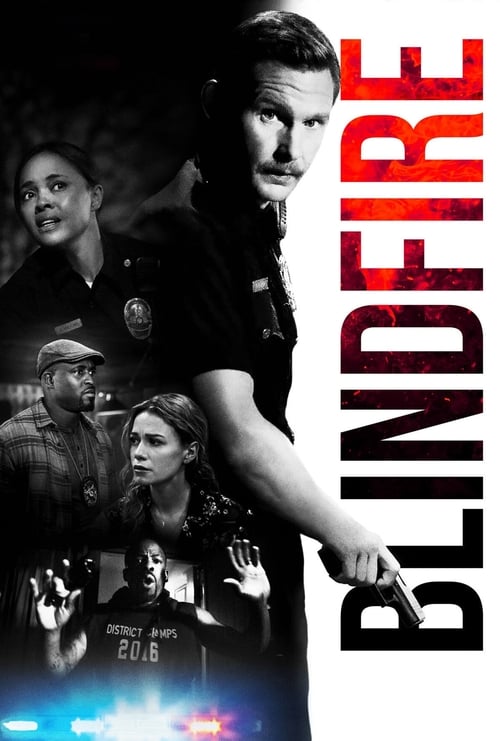
In the ending of "Blindfire," Officer Greg O'Connor confronts the consequences of his actions after mistakenly shooting an unarmed Black man, leading to a tense standoff with the victim's brother. The film concludes with O'Connor facing the reality of his choices and the impact they have had on the lives of others.
As the final act unfolds, the tension escalates. Officer Greg O'Connor, having been deeply affected by the tragic shooting of an innocent man, finds himself grappling with guilt and the weight of his actions. The scene opens with O'Connor in a state of turmoil, reflecting on the events that led to the shooting. He is haunted by the image of the victim, and the emotional burden is palpable on his face.
In a pivotal moment, O'Connor is confronted by the brother of the victim, who is filled with rage and sorrow. The brother, driven by grief and a desire for justice, approaches O'Connor with a gun, demanding answers and accountability. The atmosphere is thick with tension as the two men stand face to face, each representing different sides of a painful narrative. O'Connor's internal struggle is evident; he is torn between his duty as a police officer and the moral implications of his actions.
As the confrontation escalates, O'Connor attempts to explain his perspective, revealing his own fears and the split-second decisions that led to the tragic outcome. The brother, however, is not easily swayed. His pain is raw, and he seeks retribution for the loss of his sibling. The scene is charged with emotion, showcasing the deep rift between the two men, each trapped in their own grief and anger.
In a moment of vulnerability, O'Connor expresses his remorse, acknowledging the irreversible damage caused by his actions. He pleads for understanding, hoping to bridge the gap between them. The brother, still holding the gun, is conflicted. The weight of his brother's death and the desire for vengeance clash with the realization that taking O'Connor's life will not bring his sibling back.
The climax reaches a boiling point as the brother lowers his weapon, torn between his desire for justice and the understanding that violence will not heal his wounds. O'Connor, sensing the shift, takes a step back, allowing the brother to process his emotions. The scene captures the complexity of their shared humanity, highlighting the pain that both men carry.
In the aftermath, the brother ultimately decides to walk away, leaving O'Connor to confront the consequences of his actions alone. The film closes with O'Connor standing in the aftermath of the confrontation, a man forever changed by the events that transpired. The weight of his guilt and the reality of the situation settle heavily on his shoulders, leaving viewers with a poignant reflection on the impact of violence and the need for understanding in the face of tragedy.
As the credits roll, the fates of the main characters are left to linger in the audience's mind. O'Connor is left to navigate a world forever altered by his choices, while the brother is left to mourn his loss, both men forever marked by the events that unfolded. The film concludes with a haunting reminder of the complexities of human emotion and the far-reaching consequences of a single moment of fear and misunderstanding.
Is there a post-credit scene?
In the movie "Blindfire," there is no post-credit scene. The film concludes its narrative without any additional scenes or content after the credits roll. The story wraps up with a focus on the emotional and moral implications of the events that transpired, leaving the audience to reflect on the themes of justice, accountability, and the consequences of actions taken in moments of crisis. The absence of a post-credit scene reinforces the film's serious tone and the weight of its message.
What role does the character of the victim play in the story?
The victim, an unarmed man named Marcus, serves as a catalyst for the narrative, representing the consequences of police violence. His backstory and the impact of his death on his family highlight the human cost of the incident, prompting Officer Brian to reflect on his actions and the broader implications of systemic racism.
What motivates the main character, Officer Brian W.?
Officer Brian W. is driven by a deep sense of duty and a desire to protect his community. His internal conflict arises after he mistakenly shoots an unarmed man, leading him to grapple with guilt and the consequences of his actions. This incident forces him to confront his own biases and the systemic issues within the police force.
How does the shooting incident affect Officer Brian's relationships?
The shooting incident creates a rift between Officer Brian and his colleagues, as some view him as a hero while others see him as a liability. His relationship with his wife becomes strained as she struggles to understand the emotional turmoil he faces, leading to tension and isolation for Brian as he deals with the fallout.
How does the community react to the shooting incident?
The community's reaction is one of outrage and sorrow, leading to protests and calls for accountability. This response illustrates the deep-seated issues of mistrust between law enforcement and the community, as residents demand justice for Marcus and challenge the police department's practices.
What internal struggles does Officer Brian face throughout the film?
Officer Brian grapples with intense guilt and shame following the shooting. He experiences nightmares and flashbacks, which manifest his internal conflict and the weight of his actions. As he seeks redemption, he must confront his own prejudices and the moral complexities of his role as a police officer.
Is this family friendly?
"Blindfire," produced in 2020, is not considered family-friendly due to its intense themes and mature content. The film deals with serious issues such as police violence, racial tensions, and the consequences of a tragic mistake.
Potentially objectionable or upsetting aspects include:
- Violence: The film contains scenes of gun violence and police confrontations that may be distressing.
- Death: There are moments that involve the death of characters, which can be emotionally heavy.
- Racial Tensions: The narrative explores themes of racism and systemic injustice, which may be difficult for younger audiences to understand.
- Emotional Distress: Characters experience significant emotional turmoil, including guilt, anger, and grief, which may be upsetting for sensitive viewers.
Overall, the film's exploration of these themes is profound and thought-provoking but may not be suitable for children or those who are sensitive to such topics.









