








































Popular
What motivates Captain Okita to lead the Yamato on its mission to Iscandar?
How does Susumu Kodai's character evolve throughout the film?
What is the significance of the Yamato's transformation and its weaponry?
How does the relationship between Kodai and Yuki Mori develop during the film?
What role does the character of Dr. Sado play in the story?
Should I watch it?
Ask Your Own Question

What is the plot?
Sorry, we aren't able to watch and write up a full detailed plot yet. Check back in a few days.
More Movies Like This
Browse All Movies →







What is the ending?
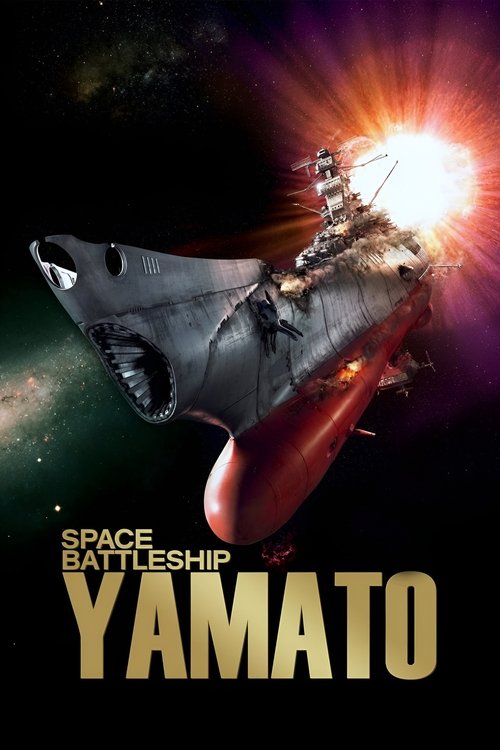
In the ending of Space Battleship Yamato, the crew of the Yamato successfully activates the Wave Motion Gun to destroy the Gamilas flagship, leading to a climactic battle. Captain Okita sacrifices himself to ensure the ship's success, while Kodai and the remaining crew manage to return to Earth, bringing hope for humanity's survival.
As the final act unfolds, the Yamato approaches the Gamilas homeworld, a dark and foreboding planet. The crew, weary yet resolute, prepares for the decisive confrontation. Captain Okita, embodying the spirit of leadership and sacrifice, gives a stirring speech to his crew, instilling in them the importance of their mission and the hope they carry for Earth. His determination is palpable, and the crew feels a renewed sense of purpose.
The Yamato engages in a fierce battle against the Gamilas forces. Explosions light up the dark void of space as the ship maneuvers skillfully, dodging enemy fire. The crew works in unison, showcasing their growth and camaraderie throughout the journey. Kodai, now a seasoned officer, takes charge of the ship's operations, demonstrating his evolution from a reluctant hero to a capable leader.
As the battle intensifies, the Gamilas flagship looms large, a symbol of the enemy's might. The crew of the Yamato knows that to save Earth, they must destroy this formidable foe. Captain Okita, aware of the stakes, makes the ultimate decision to use the Wave Motion Gun, a powerful weapon that requires immense energy and sacrifice. He understands that activating it will likely cost him his life, but he is resolute in his commitment to protect his crew and humanity.
In a poignant moment, Okita bids farewell to his crew, expressing his pride in them and his hope for the future. The crew, filled with a mix of sorrow and determination, prepares for the final assault. As the Wave Motion Gun charges, the tension is palpable. The ship's systems hum with energy, and the crew braces for the impact.
With a blinding flash, the Wave Motion Gun fires, striking the Gamilas flagship with devastating force. The explosion is magnificent, a brilliant display of light and energy that signifies the end of the Gamilas threat. The flagship is obliterated, and the remaining Gamilas forces retreat, signaling a hard-won victory for the Yamato crew.
In the aftermath, the Yamato, now battered but triumphant, begins its journey back to Earth. The crew reflects on their experiences, the sacrifices made, and the bonds formed during their harrowing journey. Kodai, now carrying the weight of leadership, looks out into the vastness of space, contemplating the future and the legacy of Captain Okita.
As they approach Earth, the crew is met with a sense of hope and renewal. They have not only fought for their planet but have also discovered the strength within themselves. The film concludes with a sense of closure, as the Yamato returns home, symbolizing the resilience of humanity and the enduring spirit of exploration and sacrifice. Each character, having faced their fears and grown through their experiences, is left with a renewed sense of purpose as they look toward a brighter future.
Is there a post-credit scene?
Yes, the movie "Space Battleship Yamato" (2010) features a post-credit scene.
As the credits roll, the scene shifts to a distant view of the Yamato, now drifting through space. The camera slowly zooms in, revealing the ship's battered exterior, a testament to the fierce battles it has endured. The atmosphere is somber, filled with a sense of loss and sacrifice, yet there is an underlying hope.
Suddenly, the scene transitions to a view of the vast cosmos, where a bright light appears in the distance. This light grows larger, and as it approaches, it becomes clear that it is a small, sleek spacecraft. The ship is reminiscent of the advanced technology seen throughout the film, hinting at the ongoing legacy of the Yamato and its crew.
Inside the spacecraft, we see a figure at the controls. The camera focuses on the pilot, who is revealed to be a young woman with striking features and a determined expression. She is dressed in a uniform that suggests she is part of a new fleet, possibly a successor to the Yamato's mission. Her eyes reflect a mix of resolve and nostalgia as she gazes at the stars, suggesting a connection to the past and a commitment to the future.
The scene concludes with the pilot setting a course for a distant star, symbolizing hope and the continuation of the fight for peace in the universe. The screen fades to black, leaving the audience with a sense of anticipation for what lies ahead, echoing the themes of courage and perseverance that permeate the film.
What motivates Captain Okita to lead the Yamato on its mission to Iscandar?
Captain Okita is driven by a deep sense of duty and responsibility to save Earth from the impending destruction caused by the Gamilas. His personal connection to the mission is heightened by the loss of his crew and the urgency of the situation, as he believes that the fate of humanity rests on their success in retrieving the Cosmo Reverse System from Iscandar.
How does Susumu Kodai's character evolve throughout the film?
Susumu Kodai begins as a hot-headed and impulsive young officer, haunted by the loss of his brother in the war against the Gamilas. As the story progresses, he learns the importance of teamwork, sacrifice, and leadership. His emotional journey is marked by moments of doubt and determination, ultimately leading him to embrace his role as a key figure in the crew's fight for survival.
What is the significance of the Yamato's transformation and its weaponry?
The Yamato's transformation into a space battleship symbolizes humanity's resilience and technological advancement in the face of overwhelming odds. The ship's advanced weaponry, including the Wave Motion Gun, represents hope and the potential for victory against the Gamilas. This transformation is visually striking, showcasing the ship's power and the crew's determination to fight back.
How does the relationship between Kodai and Yuki Mori develop during the film?
The relationship between Kodai and Yuki Mori evolves from a professional camaraderie to a deeper emotional connection. Initially, Yuki serves as a communications officer, and her admiration for Kodai is evident. As they face life-threatening challenges together, their bond strengthens, revealing their vulnerabilities and shared hopes for the future, culminating in moments of mutual support and understanding.
What role does the character of Dr. Sado play in the story?
Dr. Sado serves as the ship's medical officer and a voice of reason amidst the chaos. His character is marked by a blend of wisdom and humor, providing emotional support to the crew. He also represents the moral compass of the team, often reminding them of the human cost of war and the importance of their mission, which adds depth to the narrative and highlights the personal stakes involved.
Is this family friendly?
The movie "Space Battleship Yamato" (2010) contains several elements that may be considered objectionable or upsetting for children or sensitive viewers. Here are some aspects to be aware of:
-
Violence and Destruction: The film features intense space battles with explosions, destruction of ships, and loss of life. The visual effects depict the chaos of war, which may be distressing.
-
Death and Sacrifice: Characters face life-and-death situations, and there are moments of sacrifice that can evoke strong emotions. The portrayal of loss can be heavy and impactful.
-
Emotional Turmoil: Characters experience grief, fear, and desperation throughout the film. Their internal struggles and the weight of their missions may be intense for younger viewers.
-
Dark Themes: The overarching narrative includes themes of survival against overwhelming odds, the consequences of war, and the fight for humanity's future, which may be too complex or heavy for children.
-
Mature Situations: There are moments of tension and conflict between characters that may involve moral dilemmas or ethical questions, which could be challenging for younger audiences to understand.
Overall, while the film is a science fiction adventure, its emotional depth and mature themes may not be suitable for all children or sensitive viewers.








