













Loading additional questions...
Popular
What is the significance of Nobita's relationship with Shizuka in the movie?
How does Doraemon help Nobita throughout the film?
What challenges does Nobita face in his quest to win Shizuka's heart?
What role does Gian and Suneo play in Nobita's life in the movie?
How does the theme of friendship manifest between Nobita and Doraemon?
Should I watch it?
Ask Your Own Question

What is the plot?
Sorry, we aren't able to watch and write up a full detailed plot yet. Check back in a few days.
More Movies Like This
Browse All Movies →


What is the ending?
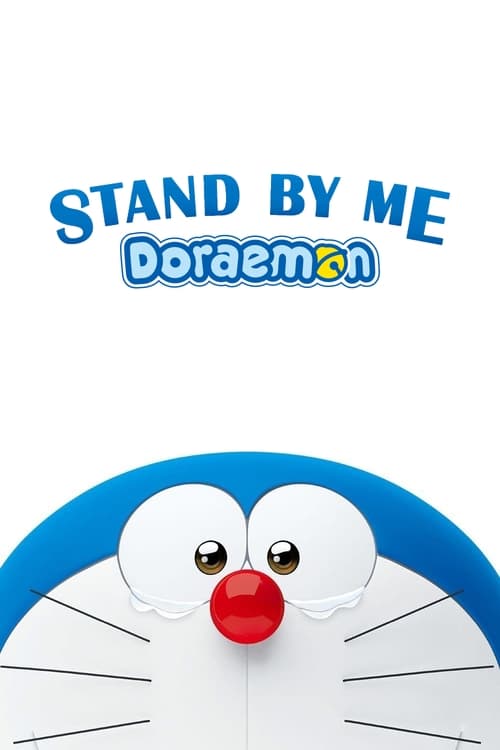
In the ending of "Stand by Me Doraemon," Nobita faces the reality of his future without Doraemon. After a heartfelt farewell, he learns to embrace his life and the challenges ahead, ultimately finding strength in his memories of Doraemon and the lessons he learned from their friendship.
As the film approaches its conclusion, the emotional weight of Nobita's journey becomes palpable. The scene opens with Nobita standing in his room, reflecting on the time he spent with Doraemon. The air is thick with nostalgia as he recalls the various adventures they shared, from the whimsical to the profound. Doraemon, having fulfilled his purpose of helping Nobita become a better person, prepares to return to the future.
In a poignant moment, Nobita and Doraemon share a final conversation. Nobita expresses his gratitude, acknowledging how much Doraemon has changed his life. Doraemon, with a gentle smile, reassures Nobita that he will always be with him in spirit, encouraging him to face the future with courage. The emotional intensity of this scene is underscored by the soft, melancholic music that plays in the background, enhancing the bittersweet atmosphere.
As Doraemon prepares to leave, he activates his time machine, and the room is filled with a bright light. Nobita watches, tears welling in his eyes, as Doraemon steps into the portal. The moment is heart-wrenching; Nobita's face reflects a mix of sadness and acceptance. He realizes that while Doraemon may be gone, the lessons he learned and the memories they created will remain with him forever.
After Doraemon departs, Nobita stands alone in his room, grappling with the void left by his friend. However, as he looks around, he begins to see the world differently. The once daunting challenges of school and life no longer seem insurmountable. He recalls the various skills and confidence he gained through their adventures, and a sense of determination begins to blossom within him.
The final scenes depict Nobita moving forward in life. He is shown studying diligently, making new friends, and even standing up to bullies, embodying the growth he achieved with Doraemon's help. The film closes with a montage of Nobita's life, illustrating his journey toward maturity and independence. The last image is of Nobita looking up at the sky, a soft smile on his face, as he whispers a heartfelt goodbye to Doraemon, signifying that their bond transcends time and space.
In summary, the ending of "Stand by Me Doraemon" encapsulates the themes of friendship, growth, and the bittersweet nature of goodbyes. Nobita, having learned to embrace his future, stands as a testament to the impact of Doraemon's presence in his life, while Doraemon's departure marks the beginning of a new chapter for Nobita, filled with hope and resilience.
Is there a post-credit scene?
What is the significance of Nobita's relationship with Shizuka in the movie?
Nobita's relationship with Shizuka is central to the emotional core of 'Stand by Me Doraemon.' Throughout the film, Nobita grapples with his feelings for Shizuka, who represents his ideal partner and a source of motivation for him to improve himself. His insecurities and fears about losing her drive much of the plot, especially as he faces the possibility of a future without her. The moments they share, such as when Nobita helps Shizuka with her studies or when they enjoy simple moments together, highlight his deep affection and the stakes involved in their relationship.
How does Doraemon help Nobita throughout the film?
Doraemon plays a crucial role in Nobita's life by providing him with futuristic gadgets that help him navigate various challenges. For instance, he uses the 'Anywhere Door' to escape difficult situations and the 'Time Machine' to revisit important moments. However, as the story progresses, Doraemon also emphasizes the importance of personal growth and responsibility, encouraging Nobita to face his problems without relying solely on gadgets. This dynamic showcases the evolution of their friendship and Nobita's journey towards maturity.
What challenges does Nobita face in his quest to win Shizuka's heart?
Nobita faces several challenges in his quest to win Shizuka's heart, primarily stemming from his lack of confidence and his tendency to be bullied by his peers, particularly Gian and Suneo. He struggles with feelings of inadequacy, especially when comparing himself to other boys who seem more capable and charming. Additionally, he must confront the fear of losing Shizuka to someone else, which intensifies his determination to change and become a better person. These internal and external conflicts drive the narrative and highlight Nobita's growth.
What role does Gian and Suneo play in Nobita's life in the movie?
Gian and Suneo serve as both antagonists and foils to Nobita in 'Stand by Me Doraemon.' They often bully Nobita, exacerbating his insecurities and fears, particularly regarding his relationship with Shizuka. Their teasing and competitive nature push Nobita to strive for improvement, but they also represent the obstacles he must overcome to gain confidence. Despite their antagonistic behavior, there are moments that reveal their own vulnerabilities, adding depth to their characters and showcasing the complexities of childhood friendships.
How does the theme of friendship manifest between Nobita and Doraemon?
The theme of friendship between Nobita and Doraemon is portrayed through their unwavering support for each other. Doraemon, as a robotic cat from the future, not only provides gadgets but also emotional support, often acting as a mentor to Nobita. Their bond deepens as they face various challenges together, with Doraemon encouraging Nobita to take initiative and learn from his mistakes. The film illustrates the importance of companionship, as Nobita learns that true friendship involves both giving and receiving support, ultimately leading to his personal growth.
Is this family friendly?
"Stand by Me Doraemon," produced in 2014, is generally considered family-friendly, appealing to both children and adults with its heartwarming themes and emotional depth. However, there are a few scenes and aspects that might be potentially objectionable or upsetting for children or sensitive viewers:
-
Themes of Loss and Separation: The film explores the emotional weight of growing up and the inevitability of change, which may resonate deeply with some viewers. Scenes depicting the passage of time and the bittersweet nature of memories can evoke feelings of sadness.
-
Character Struggles: Nobita faces various challenges, including bullying and feelings of inadequacy. These moments can be distressing for children who may relate to his struggles.
-
Emotional Moments: There are scenes that depict strong emotions, such as fear of losing loved ones and the pain of saying goodbye. These moments are poignant but may be overwhelming for sensitive viewers.
-
Doraemon's Role: As a robotic cat from the future, Doraemon's purpose is to help Nobita, but there are moments where his interventions highlight the difficulties Nobita faces, which can be emotionally charged.
Overall, while the film contains these elements, it is presented in a way that emphasizes friendship, support, and the importance of cherishing memories, making it suitable for family viewing with some potential for emotional reflection.









