








Popular
What is the significance of the letter Momo receives from her father?
Who are the three spirits that Momo encounters, and what roles do they play in her life?
How does Momo's relationship with her mother evolve throughout the film?
What role does the setting of the island play in Momo's journey?
What is the significance of the spirits' antics in relation to Momo's emotional state?
Should I watch it?
Ask Your Own Question

What is the plot?
Sorry, we aren't able to watch and write up a full detailed plot yet. Check back in a few days.
More Movies Like This
Browse All Movies →


What is the ending?
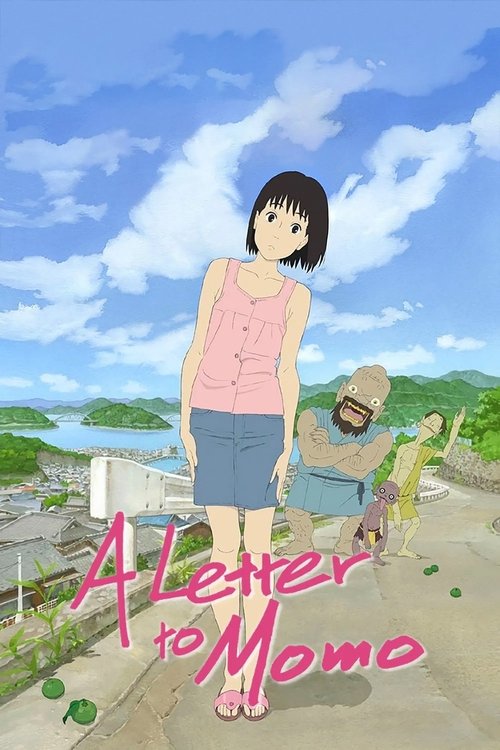
In the ending of "A Letter to Momo," Momo finally comes to terms with her feelings about her deceased father. She learns to let go of her grief and embraces the memories of him. The three spirits, who have been causing mischief and helping her throughout her journey, ultimately reveal their true purpose. They help Momo find closure, and as they prepare to leave, they express their gratitude for the time spent with her. Momo writes a letter to her father, which she sends off into the sea, symbolizing her acceptance and the beginning of a new chapter in her life.
As the film draws to a close, Momo stands on the shore, watching the waves, feeling a sense of peace. The spirits, having fulfilled their role, disappear into the light, leaving Momo with a sense of hope and connection to her father. The final scene shows Momo smiling, indicating her readiness to move forward with her life.
As the film approaches its conclusion, the atmosphere is heavy with emotion. Momo, having navigated the complexities of her grief and the supernatural occurrences surrounding her, finds herself at a pivotal moment. The three spirits--Kawa, Iwa, and Mame--who have been both a source of chaos and comfort, gather around her. They have been her companions in this journey, helping her confront her feelings about her father's death.
In a serene scene, Momo stands on the rocky shore, the ocean waves crashing against the rocks, mirroring the tumult of her emotions. The spirits, now more visible and vibrant, reveal their true forms, shedding the playful antics they had displayed throughout the film. They express their gratitude to Momo for allowing them to be part of her life, acknowledging the bond they have formed. Momo, feeling a mix of sadness and acceptance, understands that it is time for them to move on.
The spirits explain that they have fulfilled their purpose: to help Momo confront her grief and to remind her of the love her father had for her. They encourage her to remember the good times and to cherish the memories rather than dwell on the loss. Momo, with tears in her eyes, realizes that she must let go of her sorrow to embrace the future.
In a poignant moment, Momo takes out a letter she has written to her father. It is a heartfelt message filled with her thoughts, feelings, and the things she wishes she could say to him. She walks to the edge of the water, the sun setting in the background, casting a warm glow over the scene. With a deep breath, she releases the letter into the sea, watching as it floats away, symbolizing her release of grief and her acceptance of her father's absence.
As the letter drifts further into the ocean, the spirits begin to fade, their forms becoming less distinct. Momo watches them with a bittersweet smile, understanding that they will always be a part of her, even if they are no longer physically present. Kawa, Iwa, and Mame share one last moment with her, their expressions filled with warmth and encouragement, before they dissolve into light, leaving Momo standing alone on the shore.
The final scene captures Momo's transformation. She stands tall, a sense of peace washing over her as she gazes out at the horizon. The ocean, once a source of fear and sadness, now feels like a vast expanse of possibility. Momo's smile signifies her readiness to embrace life, to carry her father's memory with her, and to move forward with hope. The film closes on this uplifting note, highlighting Momo's growth and the enduring power of love and memory.
Is there a post-credit scene?
In the movie "A Letter to Momo," there is no post-credit scene. The film concludes with a poignant resolution that ties together the themes of loss, acceptance, and the importance of communication. After Momo has navigated her feelings of grief over her father's passing and her struggles to adapt to her new life on the island, the story wraps up with a sense of closure. The final moments focus on Momo's growth and her newfound understanding of her father's love, as well as her bond with the three spirits that have been part of her journey. The absence of a post-credit scene allows the emotional weight of the narrative to linger, leaving the audience with a reflective sense of hope and connection.
What is the significance of the letter Momo receives from her father?
The letter Momo receives from her father is a pivotal element in the story, as it represents her father's final words and his attempt to connect with her after his passing. The letter is filled with his love and guidance, and it serves as a catalyst for Momo's emotional journey throughout the film. It symbolizes her struggle with grief and her desire to understand her father's intentions, ultimately leading her to confront her feelings about loss and acceptance.
Who are the three spirits that Momo encounters, and what roles do they play in her life?
The three spirits Momo encounters are Iwa, Kawa, and Mame. Iwa is a large, grumpy spirit who often acts as the leader, Kawa is a mischievous and playful spirit, and Mame is the smallest and most innocent of the trio. They initially cause chaos in Momo's life, but as the story progresses, they become her companions and help her navigate her feelings of loneliness and sadness. Each spirit embodies different aspects of Momo's emotional state, and their interactions with her help her to grow and heal.
How does Momo's relationship with her mother evolve throughout the film?
Momo's relationship with her mother, Akiko, is strained at the beginning of the film, as both are dealing with the loss of Momo's father. Akiko is often preoccupied with their new life on the island and struggles to communicate her feelings, while Momo feels isolated and angry. As the story unfolds, they begin to understand each other better, with Momo learning to express her grief and Akiko opening up about her own struggles. Their bond strengthens as they face challenges together, ultimately leading to a deeper connection and mutual support.
What role does the setting of the island play in Momo's journey?
The island setting is crucial to Momo's journey, as it represents both a physical and emotional landscape for her growth. The isolation of the island mirrors Momo's feelings of loneliness and disconnection after her father's death. The natural beauty of the island, with its lush landscapes and vibrant sea, contrasts with Momo's internal turmoil. As she explores the island and interacts with the spirits, she begins to find solace in her surroundings, which helps her to process her grief and ultimately embrace her new life.
What is the significance of the spirits' antics in relation to Momo's emotional state?
The antics of the spirits serve as a reflection of Momo's emotional state and her journey towards healing. Initially, their chaotic behavior mirrors Momo's confusion and anger over her father's death. As they create mischief and trouble, they also provide moments of levity and distraction for Momo, allowing her to temporarily escape her grief. However, as Momo begins to confront her feelings and understand the spirits' true nature, their antics become less about chaos and more about companionship and support, ultimately guiding her towards acceptance and emotional growth.
Is this family friendly?
"A Letter to Momo" is generally considered family-friendly, but it does contain some scenes and themes that may be unsettling for younger viewers or sensitive individuals. Here are a few aspects to be aware of:
-
Themes of Loss and Grief: The film deals with the death of Momo's father, which is a central emotional theme. Momo struggles with her feelings of loss, and there are moments that depict her sadness and longing.
-
Supernatural Elements: The presence of spirits and supernatural beings may be frightening for some children. The yokai (spirits) have a mischievous nature, which can lead to chaotic and potentially scary situations.
-
Conflict and Bullying: Momo faces challenges in her new environment, including moments of conflict with other children, which may resonate with themes of bullying or exclusion.
-
Emotional Turmoil: Momo experiences a range of emotions, including anger, frustration, and loneliness, which may be intense for younger viewers to process.
-
Mature Themes: The film touches on themes of family dynamics, moving to a new place, and the complexities of growing up, which may be more relatable to older children and adults.
While these elements are handled with sensitivity, they may evoke strong emotions and reactions, so parental guidance is advised for younger audiences.







