















Popular
How does Nobita's character develop throughout the film?
What is the significance of the Secret Gadget Museum in the story?
Who is the main antagonist in the movie and what are his motivations?
What role do Doraemon's gadgets play in the conflict of the story?
How do Nobita's friends contribute to the resolution of the conflict?
Should I watch it?
Ask Your Own Question

What is the plot?
Sorry, we aren't able to watch and write up a full detailed plot yet. Check back in a few days.
More Movies Like This
Browse All Movies →


What is the ending?
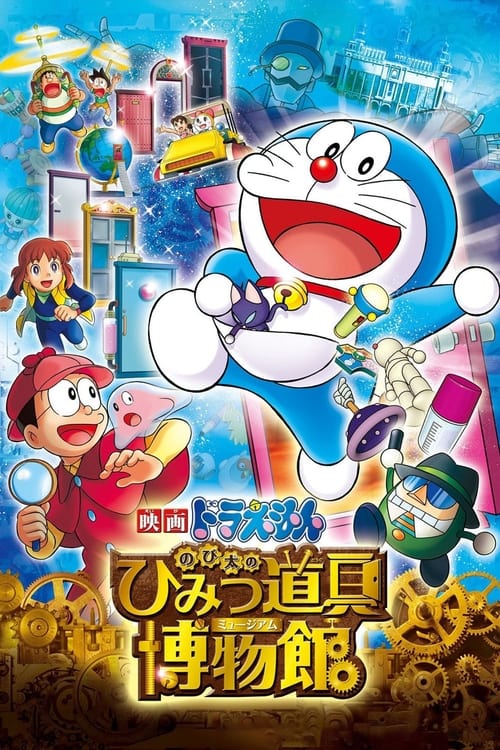
In the ending of "Doraemon: Nobita's Secret Gadget Museum," Nobita and his friends confront the villain, who has been using the gadgets for evil purposes. They manage to retrieve the stolen gadgets and restore peace. In the end, Nobita learns the importance of friendship and responsibility, and the group celebrates their victory together.
As the climax of "Doraemon: Nobita's Secret Gadget Museum" unfolds, the scene shifts to the secret gadget museum where the villain, a mysterious figure named Kaito, has taken control. The atmosphere is tense, filled with the remnants of chaos as Kaito showcases his power by using the stolen gadgets against Nobita and his friends. The museum, once a place of wonder, now feels like a dark fortress, with shadows looming over the characters.
Nobita, feeling a mix of fear and determination, rallies his friends--Doraemon, Shizuka, Gian, and Suneo--who stand by him, ready to face the challenge. Each character's emotional state is palpable; Nobita's heart races with anxiety, while Doraemon exudes a calm confidence, reassuring Nobita that they can overcome this obstacle together. Shizuka's unwavering support shines through, as she encourages Nobita to believe in himself.
As they confront Kaito, the battle begins. Kaito, with a smug grin, unleashes various gadgets, showcasing their destructive capabilities. The friends work together, using their wits and teamwork to counter Kaito's attacks. Gian's strength and Suneo's cunning play crucial roles in distracting Kaito, while Shizuka and Nobita strategize on how to reclaim the gadgets. The tension escalates as Kaito reveals his ultimate gadget, a device that can manipulate time, threatening to erase their existence.
In a pivotal moment, Nobita recalls a lesson from Doraemon about the importance of using gadgets responsibly. This realization ignites a spark of courage within him. He steps forward, confronting Kaito with newfound resolve. Nobita's voice trembles but is filled with conviction as he declares that gadgets should be used for good, not evil. This emotional declaration resonates with his friends, who rally behind him, forming a united front against Kaito.
The climax reaches its peak as Nobita and his friends launch a coordinated attack, combining their strengths. Doraemon uses his gadgets to counter Kaito's time manipulation, while Gian and Suneo create diversions. Shizuka, with her quick thinking, manages to disable Kaito's ultimate gadget, leading to a moment of vulnerability for the villain. In this critical juncture, Nobita seizes the opportunity, using a gadget that allows him to reflect Kaito's own power back at him.
With a blinding flash, Kaito is overwhelmed by his own gadget, leading to his defeat. The stolen gadgets are restored to their rightful place in the museum, and the atmosphere shifts from one of despair to celebration. Nobita and his friends embrace, their bond stronger than ever. Nobita, filled with a sense of accomplishment, realizes that true strength lies not in gadgets but in the friendships he has forged.
As the movie concludes, the characters reflect on their adventure. Nobita expresses gratitude to Doraemon for always being by his side, acknowledging the lessons learned about responsibility and the value of teamwork. Shizuka smiles, proud of Nobita's growth, while Gian and Suneo tease him playfully, but their camaraderie is evident. The final scene shows the group leaving the museum, laughter echoing in the air, symbolizing their victory and the bright future ahead.
In the end, Nobita emerges as a more confident individual, having faced his fears and learned the importance of using his abilities for good. Doraemon, as always, stands as a guiding figure, proud of Nobita's development. The fate of each character is intertwined with the lessons learned, emphasizing the themes of friendship, responsibility, and the power of unity in overcoming challenges.
Is there a post-credit scene?
In "Doraemon: Nobita's Secret Gadget Museum," there is indeed a post-credit scene that adds a light-hearted touch to the film's conclusion. After the main credits roll, the scene opens with Nobita and his friends, including Shizuka, Gian, and Suneo, gathered in a park. They are excitedly discussing their recent adventure and the various gadgets they encountered in the secret museum.
As they reminisce about the thrilling moments, Nobita, in his typical clumsy fashion, accidentally activates one of Doraemon's gadgets that he had brought along. The gadget, which is meant to create a temporary illusion, causes the park to transform into a whimsical landscape filled with colorful, oversized flowers and playful creatures. The friends are momentarily startled but quickly burst into laughter as they enjoy the unexpected spectacle.
Doraemon, watching the chaos unfold, shakes his head with a mix of amusement and exasperation, reminding Nobita to be careful with the gadgets. The scene encapsulates the essence of their friendship and the light-hearted nature of their adventures, leaving the audience with a warm feeling as the film comes to a close. The post-credit scene serves as a delightful reminder of the fun and mischief that often accompanies Nobita and his friends, reinforcing the themes of friendship and adventure that permeate the film.
How does Nobita's character develop throughout the film?
Nobita starts as a timid and insecure boy, often relying on Doraemon's gadgets to solve his problems. However, as the story progresses and he faces challenges posed by Kaito, Nobita learns to be more courageous and resourceful. His growth is marked by moments where he takes initiative and stands up for his friends, showcasing his evolving sense of responsibility.
What is the significance of the Secret Gadget Museum in the story?
The Secret Gadget Museum serves as a central plot element where various gadgets from Doraemon's future are stored. It becomes a target for the antagonist, who seeks to steal these gadgets for his own nefarious purposes. The museum represents both the wonder of technology and the potential dangers of misusing it.
Who is the main antagonist in the movie and what are his motivations?
The main antagonist is a character named 'Kaito', who is a thief with a deep desire to possess the gadgets from the Secret Gadget Museum. His motivations stem from a desire for power and control, as he believes that possessing these advanced gadgets will make him invincible and allow him to dominate others.
What role do Doraemon's gadgets play in the conflict of the story?
Doraemon's gadgets are crucial to the conflict as they are the source of Kaito's interest and the reason for the museum's threat. Throughout the film, various gadgets are used by both Doraemon and Nobita to combat Kaito's plans, leading to creative and humorous situations. The gadgets symbolize the blend of fun and danger that technology can bring.
How do Nobita's friends contribute to the resolution of the conflict?
Nobita's friends, Shizuka, Gian, and Suneo, play significant roles in supporting him throughout the film. They each bring their unique strengths to the table, whether it's Shizuka's intelligence, Gian's strength, or Suneo's cunning. Their teamwork and friendship ultimately help Nobita confront Kaito, demonstrating the importance of collaboration and loyalty in overcoming challenges.
Is this family friendly?
"Doraemon: Nobita's Secret Gadget Museum" is generally considered family-friendly, aimed primarily at children and young audiences. However, there are a few scenes and aspects that might be potentially objectionable or upsetting for some children or sensitive viewers:
-
Villainous Threats: The film features antagonists who pose threats to the main characters, which may create moments of tension or fear, especially for younger viewers.
-
Emotional Distress: There are scenes where characters experience feelings of sadness, betrayal, or fear, particularly when facing challenges or conflicts, which could be upsetting for sensitive children.
-
Chase and Conflict Scenes: Action sequences involving chases or confrontations may be intense, showcasing perilous situations that could be alarming to some viewers.
-
Loss of Friendship: Themes of misunderstanding and temporary loss of friendship among the main characters can evoke feelings of anxiety or sadness.
-
Mild Frustration: Characters often face challenges that lead to moments of frustration or disappointment, which might resonate with children who are sensitive to such emotions.
Overall, while the film contains these elements, it is crafted to be suitable for a young audience, with a focus on friendship, teamwork, and overcoming obstacles.









