









































Popular
What motivates Doug Glatt to become a goon for the hockey team?
How does Doug's relationship with his father influence his character?
What is the significance of Doug's friendship with Xavier LaFlamme?
How does Doug's first fight in a hockey game impact his career?
What challenges does Doug face from rival players, particularly from Ross Rhea?
Should I watch it?
Ask Your Own Question

What is the plot?
Sorry, we aren't able to watch and write up a full detailed plot yet. Check back in a few days.
More Movies Like This
Browse All Movies →







What is the ending?
In the ending of "Goon," Doug Glatt faces off against his rival, Ross Rhea, in a climactic hockey game. After a fierce fight, Doug emerges victorious, solidifying his role as a protector for his team. The film concludes with Doug celebrating with his teammates, having found his place in the world of hockey and a sense of belonging.
As the final act of "Goon" unfolds, the atmosphere is charged with anticipation. The scene opens in the arena, where the crowd is roaring, and the tension is palpable. Doug Glatt, now a key player for the Halifax Highlanders, is preparing for the championship game against the rival team, the St. John's Shamrocks. The stakes are high, not just for the championship title but for Doug's personal journey and his newfound identity as an enforcer.
The game begins with fast-paced action on the ice. Doug, wearing his jersey with pride, is focused and determined. He skates with purpose, his eyes scanning the rink for any signs of trouble. The Highlanders are struggling initially, and the Shamrocks take an early lead. Doug's internal conflict is evident; he feels the weight of his team's expectations and his own desire to prove himself.
As the game progresses, tensions rise, and the inevitable confrontation between Doug and Ross Rhea, the Shamrocks' notorious enforcer, looms. The camera captures Doug's steely resolve as he prepares for the fight that everyone knows is coming. The crowd's energy shifts, and the atmosphere becomes electric with anticipation.
Finally, the moment arrives. Doug and Ross meet at center ice, and the fight breaks out. The two men exchange blows, each one landing hard punches that resonate throughout the arena. Doug's determination is palpable; he fights not just for himself but for his teammates and the sense of belonging he has finally found. The fight is brutal, showcasing the raw physicality of hockey and the emotional stakes involved.
As the fight reaches its climax, Doug manages to gain the upper hand. With a final, powerful punch, he knocks Ross to the ice, winning the fight and earning the respect of his teammates and the crowd. The arena erupts in cheers, and Doug stands tall, breathing heavily but filled with a sense of triumph.
The game continues, and the Highlanders rally behind Doug's victory. They score crucial goals, and the momentum shifts in their favor. The final moments of the game are tense, with the score tied and time running out. Doug's presence on the ice inspires his teammates, and they work together to secure the win.
As the final buzzer sounds, the Highlanders emerge victorious. The team celebrates on the ice, and Doug is embraced by his teammates, who lift him in the air. He has not only won the game but has also solidified his place within the team and the sport. The camera captures the joy and camaraderie among the players, highlighting the bonds that have formed through their shared struggles.
In the aftermath, Doug's relationship with Eva, his love interest, is also explored. They share a tender moment, acknowledging the journey they have both been on. Doug's growth as a person is evident; he has found his identity and a sense of belonging, not just in hockey but in his personal life as well.
The film concludes with a montage of Doug's life after the championship, showing him continuing to play hockey and enjoying his newfound happiness. The final shot lingers on Doug, smiling and surrounded by friends, encapsulating the themes of friendship, identity, and the importance of finding one's place in the world. Each character, from Doug to his teammates, has experienced growth and change, culminating in a celebration of their shared journey and the bonds they have forged.
Is there a post-credit scene?
In the movie "Goon," produced in 2012, there is indeed a post-credit scene. After the credits roll, the scene opens with Doug Glatt, played by Seann William Scott, in a hospital room. He is recovering from the injuries sustained during the climactic hockey game. As he lies in the hospital bed, he is visited by his girlfriend, Eva, portrayed by Alison Pill.
In this moment, Doug is still feeling the effects of the fight he had during the game, and he appears a bit dazed but happy to see Eva. She expresses her concern for him, and they share a tender moment that highlights their growing relationship. Doug, still in his straightforward and somewhat naive manner, reassures her that he is okay.
The scene captures Doug's vulnerability and the warmth of their connection, emphasizing the emotional stakes of his journey throughout the film. It serves as a light-hearted conclusion to the story, leaving the audience with a sense of hope and the promise of Doug's continued growth both as a player and as a person.
What motivates Doug Glatt to become a goon for the hockey team?
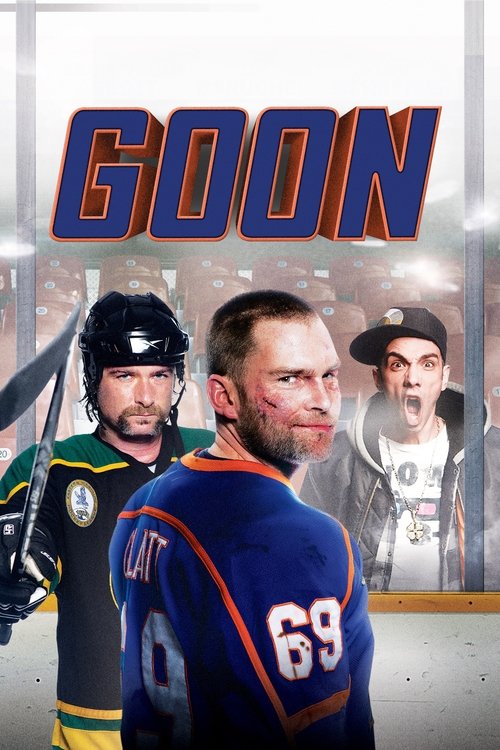
Doug Glatt, played by Seann William Scott, is initially a bouncer at a bar who finds himself drawn to the world of hockey after a chance encounter with a player. His motivation stems from a desire to prove himself and find a sense of belonging, as he is often seen as an outsider. His physicality and willingness to fight make him a natural fit for the role of a goon, and he embraces this identity as a way to gain respect and acceptance from his teammates.
How does Doug's relationship with his father influence his character?
Doug's relationship with his father is strained, as his father disapproves of his choice to pursue a career in hockey, particularly as a goon. This disapproval weighs heavily on Doug, fueling his desire to prove his worth not just to his father but also to himself. Throughout the film, Doug grapples with feelings of inadequacy and seeks validation, which drives many of his actions on and off the ice.
What is the significance of Doug's friendship with Xavier LaFlamme?
Doug's friendship with Xavier LaFlamme, played by Marc-André Grondin, is central to his development as a character. Xavier, a skilled but troubled player, initially sees Doug as a protector and a friend. Their bond deepens as they navigate the challenges of the hockey world together, with Doug providing emotional support to Xavier during his struggles with confidence and personal issues. This friendship highlights themes of loyalty and camaraderie in the face of adversity.
How does Doug's first fight in a hockey game impact his career?
Doug's first fight during a hockey game is a pivotal moment that catapults him into the role of a goon. Initially hesitant, he surprises everyone, including himself, by standing up for his teammates and engaging in a brutal fight. This moment not only earns him the respect of his teammates but also solidifies his identity as a goon. The adrenaline and excitement of the fight ignite a passion within Doug, leading him to embrace his new role and pursue a career in hockey with fervor.
What challenges does Doug face from rival players, particularly from Ross Rhea?
Doug faces significant challenges from rival players, most notably Ross Rhea, played by Liev Schreiber. Rhea is a seasoned enforcer who sees Doug as a threat and a target. Their rivalry escalates throughout the film, culminating in a series of confrontations that test Doug's resolve and skills as a goon. Rhea's intimidation tactics and aggressive playstyle force Doug to confront his fears and insecurities, ultimately pushing him to grow both as a player and as a person.
Is this family friendly?
"Goon," produced in 2012, is not considered family-friendly due to its mature themes and content. Here are some potentially objectionable or upsetting aspects:
-
Violence and Gore: The film features numerous scenes of hockey violence, including fights on the ice that can be graphic and intense, showcasing injuries and blood.
-
Strong Language: There is frequent use of profanity throughout the film, which may be inappropriate for younger audiences.
-
Substance Use: Characters are depicted consuming alcohol and engaging in partying, which may not be suitable for children.
-
Adult Themes: The film explores themes of masculinity, identity, and acceptance, often through crude humor and situations that may be uncomfortable for sensitive viewers.
-
Sexual Content: There are scenes that include sexual innuendos and situations that may not be appropriate for younger viewers.
These elements contribute to the film's rating and overall tone, making it more suitable for an adult audience.









