















Popular
What motivates Mr. Fudge to question his faith throughout the film?
How does Mr. Fudge's relationship with his family evolve during the story?
What role does the character of the pastor play in Mr. Fudge's journey?
How does the film depict the concept of hell, and how does it affect Mr. Fudge's beliefs?
What significant events lead to Mr. Fudge's ultimate realization about faith?
Should I watch it?
Ask Your Own Question

What is the plot?
Sorry, we aren't able to watch and write up a full detailed plot yet. Check back in a few days.









What is the ending?
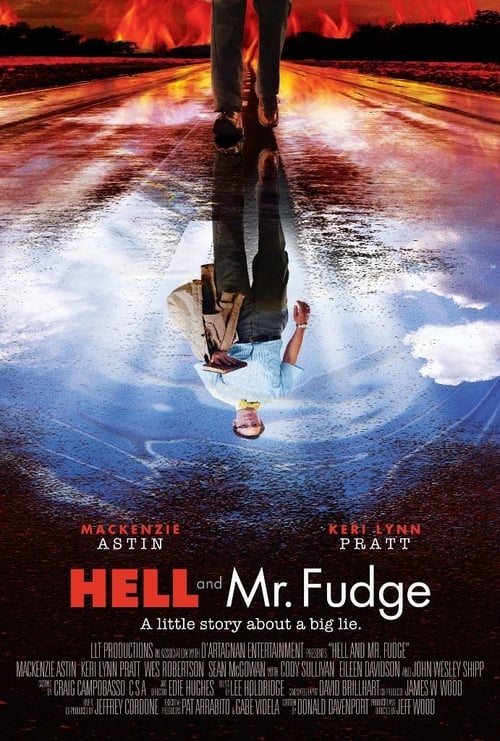
In the ending of "Hell and Mr. Fudge," the main character, Edward Fudge, faces a pivotal moment as he grapples with his beliefs about hell and eternal punishment. After a series of intense discussions and personal reflections, he ultimately decides to reject the traditional view of hell as a place of eternal torment. This decision leads to a significant rift with his family and the church community. The film concludes with Fudge finding a sense of peace in his convictions, despite the personal cost.
As the final scenes unfold, we see Edward Fudge sitting in his study, surrounded by books and notes, a visual representation of his intellectual struggle. The room is dimly lit, casting shadows that reflect the weight of his thoughts. He is deep in contemplation, wrestling with the implications of his beliefs. The camera captures the furrow in his brow, the tension in his jaw, and the flicker of determination in his eyes.
In the next scene, Fudge is confronted by members of his church, who express their disapproval of his views. The atmosphere is charged with tension as they challenge him, their voices rising in frustration. Fudge stands firm, his heart racing but his resolve unwavering. He articulates his belief that a loving God would not condemn people to eternal suffering. The camera zooms in on his face, revealing the conflict between his desire for acceptance and his commitment to truth.
As the confrontation escalates, Fudge's family is drawn into the conflict. His wife, who has been a supportive figure throughout his journey, watches with concern. The emotional weight of the moment is palpable; her eyes reflect a mixture of pride in his courage and fear of the repercussions. Their children, witnessing the clash, embody the innocence caught in the crossfire of ideological battles.
The scene shifts to a quiet moment between Fudge and his wife later that evening. They sit together, the tension of the day still lingering in the air. Fudge expresses his fears about losing his community and the potential fallout from his beliefs. His wife reassures him, emphasizing the importance of staying true to oneself. This intimate exchange highlights the personal sacrifices that come with standing up for one's convictions.
In the final moments of the film, Fudge is seen walking alone through a serene landscape, symbolizing his journey toward self-acceptance. The sun sets in the background, casting a warm glow that contrasts with the earlier darkness of his struggles. He reflects on the path he has chosen, a mixture of sadness and hope in his expression. The film closes with a sense of resolution, as Fudge embraces his beliefs, ready to face the challenges ahead, even if it means standing apart from those he loves.
The fate of Edward Fudge is one of personal liberation, albeit at a significant cost to his relationships. His family, while supportive, must navigate the complexities of their own beliefs in light of his choices. The church community, once a source of belonging, becomes a place of conflict, leaving Fudge to forge a new path in his understanding of faith and love. The film ends on a note of introspection, inviting viewers to consider the implications of belief and the courage it takes to stand for one's truth.
Is there a post-credit scene?
"Hell and Mr. Fudge" does not feature a post-credit scene. The film concludes its narrative without any additional scenes after the credits roll. The story wraps up with a focus on the main themes of faith, doubt, and the personal journey of the protagonist, Edward Fudge, as he grapples with his beliefs about hell and the afterlife. The ending emphasizes the resolution of his internal conflict and the impact of his findings on his life and relationships, leaving the audience with a sense of closure regarding his journey.
What motivates Mr. Fudge to question his faith throughout the film?
Mr. Fudge, portrayed as a devout Christian, begins to grapple with his beliefs when faced with the harsh realities of life and death, particularly after the loss of a loved one. His internal conflict is marked by moments of doubt and a desire for understanding, leading him to explore the concept of hell and the nature of God's love.
How does Mr. Fudge's relationship with his family evolve during the story?
Throughout the film, Mr. Fudge's relationship with his family becomes strained as his questioning of faith creates tension. His wife, who represents a more traditional view of faith, struggles to understand his doubts, while his children are caught in the middle, feeling the emotional weight of their father's crisis.
What role does the character of the pastor play in Mr. Fudge's journey?
The pastor serves as a foil to Mr. Fudge, embodying the traditional beliefs that Mr. Fudge is beginning to question. Their interactions are filled with tension, as the pastor attempts to guide Mr. Fudge back to faith, while Mr. Fudge seeks deeper answers that challenge the pastor's views.
How does the film depict the concept of hell, and how does it affect Mr. Fudge's beliefs?
The film presents hell not just as a physical place, but as a state of being that reflects the emotional and spiritual turmoil within Mr. Fudge. His exploration of hell leads him to confront his fears and the implications of eternal damnation, which deeply affects his understanding of God's justice and mercy.
What significant events lead to Mr. Fudge's ultimate realization about faith?
Key events, such as personal tragedies and profound conversations with both his family and the pastor, serve as catalysts for Mr. Fudge's realization. These moments force him to confront his beliefs head-on, leading to a deeper understanding of faith that transcends his initial doubts.
Is this family friendly?
"Hell and Mr. Fudge" is a film that explores deep theological themes and personal struggles, which may not be suitable for very young children. Here are some potentially objectionable or upsetting aspects that could affect children or sensitive viewers:
-
Theological Discussions: The film delves into complex topics about heaven, hell, and the afterlife, which may be confusing or distressing for younger audiences.
-
Emotional Turmoil: Characters experience significant emotional struggles, including doubt, fear, and existential crises, which could be intense for sensitive viewers.
-
Depictions of Hell: There are discussions and representations of hell that may be frightening or unsettling, particularly for those who are sensitive to themes of punishment and suffering.
-
Conflict with Faith: The protagonist grapples with his beliefs and experiences conflict with religious authorities, which may provoke anxiety or discomfort in viewers who hold strong religious beliefs.
-
Personal Loss: Themes of loss and the impact of death are present, which could be upsetting for children or those who have experienced similar situations.
Overall, while the film is not overtly graphic or violent, its heavy themes and emotional depth may require parental guidance for younger viewers.







