






Popular
What is the significance of the sleeping room in the story?
How does Blue's relationship with her mother influence her actions in the film?
What role does the character of the male escort play in Blue's journey?
How does the film depict the theme of memory through the character of Blue?
What is the connection between the sleeping room and the concept of trauma in the film?
Should I watch it?
Ask Your Own Question

What is the plot?
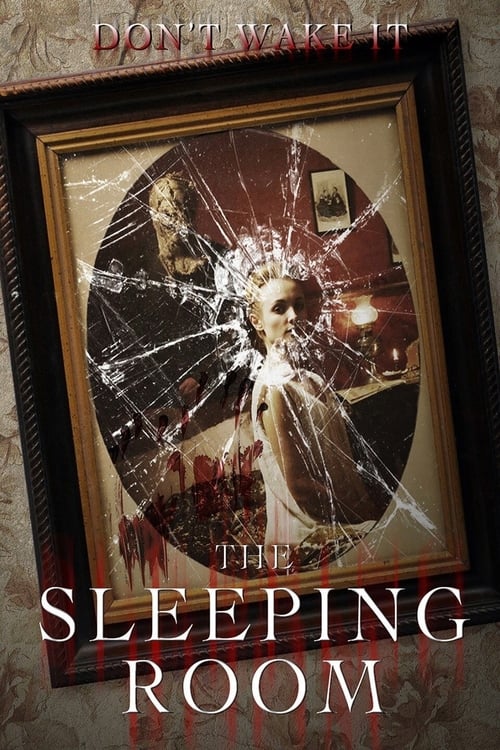
Blue, a 19-year-old call girl working the streets of Brighton, is sent by her pimp Freddie and his partner Cynthia to meet a new client named Bill Hepworth at a strange old house on the coast. From the moment she arrives, the job feels off. Bill is awkward and distracted, not the usual impatient punter, and instead of pushing her toward sex, he seems more interested in talking, showing her around, and sharing the space he is renovating. The house itself has the wrong kind of atmosphere: grand but rotting, full of half-stripped walls, dust, old wood, and the sense that it has been holding its breath for decades. Bill explains that he is restoring a former Victorian brothel, and that detail hangs in the air like a warning.
Blue, who has clearly learned not to trust easily, stays anyway because Bill has paid for her time and because his odd gentleness unsettles her more than crude behavior would have. He watches her with a mix of curiosity and shyness, and she, in turn, watches the house. The place seems to be whispering at her from inside the walls. As she moves through the rooms, she notices relics of the building's earlier life, and one object in particular pulls her in: an antique mutoscope, a Victorian peep-show machine. When she looks through it, the moving images she sees are not harmless curiosities. They are unsettling fragments of the house's past, dark scenes tied to a hooded figure and an atmosphere of violence. The device does not feel like decoration. It feels like evidence.
Bill and Blue begin to investigate together, drawn further into the house's hidden architecture. Behind a two-way mirror, they discover a concealed chamber, the eponymous sleeping room. It is a secret resting area where prostitutes in the Victorian era were meant to lie down between clients, hidden from view but still trapped inside the machinery of the brothel. The room is both intimate and deeply sad: a place built for women to survive in the margins of exploitation. But the room also carries something much worse. The old objects inside it, the hidden passageways, and the images revealed by the mutoscope all point toward a history of abuse that is not merely sexual, but murderous.
As Blue digs deeper, the name Fiskin surfaces. He is the Victorian owner of the brothel, a pimp and serial killer who used the mutoscope to record his crimes. The revelation turns the machine from a quaint antique into a grotesque archive. It has not merely preserved the past; it has trapped it, replayed it, and fed it back into the house. Blue learns that Fiskin murdered several women there and documented the killings on those reels, transforming voyeurism into complicity and entertainment into evidence of slaughter. The house, once a place of commerce and concealment, becomes in her eyes a crime scene that has never really stopped being one.
The deeper Blue goes, the more the story stops being only about the old brothel and starts becoming about her. The house is tied to her own family history, and the mystery circles back to the death of her mother. The connection is not presented as a casual coincidence but as a buried inheritance, as though the building has been waiting for Blue all along. Her investigation reveals that the past she has been living under without understanding it is bound to the violence embedded in the house. The history of the brothel and the history of her family collapse into one another. The implication is not just that her mother knew something about this place, but that Blue herself is part of the unfinished story it contains.
Meanwhile, the present-day world keeps pressing in. Freddie remains a constant threat, domineering and violent, a man who treats Blue less like a person than a possession. Cynthia, loud and controlling, helps maintain that system. Their role becomes increasingly clear: they are the modern face of the same exploitation that the house represents in its Victorian form. Blue is controlled by Freddie just as the women of the brothel were controlled by Fiskin, and the film draws that parallel without softening it. Every time Blue tries to claim some independence, Freddie tightens his grip, and every time she gets closer to the truth, the danger around her becomes more immediate.
One of the strongest tensions in the story comes from the relationship between Blue and Bill. He begins as a client but gradually becomes an uneasy ally, then something closer to a companion as they uncover the house's secrets together. Their dynamic is fragile and awkward, shaped by the strange fact that he has invited her into a place full of hidden history rather than using the encounter in the usual way. He is not the source of the old violence, but he is also not able to control what has been awakened. The more they learn, the less either of them can pretend the house is just a renovation project. The old brothel, the mutoscope reels, the secret room, and the name Fiskin all point toward a buried wound that still bleeds.
As Blue watches more of the material connected to Fiskin, the film leans into its most Gothic imagery. The mutoscope becomes a bridge between eras: Victorian filth, death, and spectacle brought into the present with terrible clarity. The concealed sleeping room, tucked behind the mirror, feels like a wound in the wall. The house seems to watch Blue back. Her emotional state shifts from suspicion to fascination, then to dread, then to a kind of grim recognition. The details of her own life are being pulled into the same frame as the murdered women of the past, and she begins to understand that the house's history is not sealed off. It has been living on in her.
The closer she gets to the truth, the more the film builds toward a final reckoning. The legend of Fiskin is not just that he killed women, but that the house has remained haunted by the stain of those crimes. The past is not passive. It demands to be answered. The narrative makes clear that this is not simply a mystery to be solved intellectually; it is a debt to be settled. The violent legacy of the brothel has to be faced directly, and Blue is the one who has been forced into that confrontation. Freddie's threats and the pressure of her present life collide with the older horror hidden in the walls, and the house becomes the battleground where both eras of abuse meet.
In the climax, the buried truth about the house, Fiskin, and Blue's family history comes fully into the open. The final confrontation is shaped by the idea that the original murder must be reckoned with before the violence can stop. The story makes it clear that the haunting cannot be separated from the crime that created it. Blue is forced to stand in the center of that inherited corruption, with Freddie as the immediate human danger and Fiskin's legacy as the deeper, more ancient force pressing down on her. The atmosphere becomes oppressive and fatalistic, as if the walls themselves are closing around the characters.
The ending does not offer a clean victory. Instead, it resolves like the closing of a bruise, not a cure. The house's secret has been dragged into the light, and Blue finally understands what the building has been trying to tell her: that her own life has been shaped by a violence reaching back far beyond the present moment. The film closes on that bleak recognition. Blue survives the confrontation, but not unchanged, and the final effect is one of inheritance rather than release. The past is no longer hidden behind the mirror. It has been exposed, and with it comes the awful knowledge that the sins of the house have been passed down into Blue's life all along.
If the complete ending is read literally and in full context, the film's last movement is about the house losing its secrecy and Blue emerging with the truth of her mother, Fiskin, and the sleeping room finally uncovered. The resolution is not triumphant; it is haunted, sorrowful, and unsettling, with the sense that what happened in that Victorian brothel can never be entirely buried again.









What is the ending?
In the ending of "The Sleeping Room," the protagonist, a young woman named Blue, confronts the dark secrets of the brothel where she works. After a series of harrowing events, she ultimately faces the malevolent force that has been haunting her and the other women. The film concludes with a sense of unresolved tension, leaving Blue's fate ambiguous as she grapples with her past and the choices she has made.
Expanding on the ending in a chronological and narrative fashion:
As the climax of the film unfolds, Blue finds herself in the dimly lit, oppressive atmosphere of the brothel, a place that has become a prison for her and the other women. The air is thick with a sense of dread, and the walls seem to whisper the secrets of the past. Blue's internal struggle is palpable; she is torn between her desire for freedom and the haunting memories that bind her to this place.
In a pivotal scene, Blue confronts the brothel's owner, a sinister figure who embodies the exploitation and manipulation that has plagued her life. The tension escalates as she demands answers about the mysterious "Sleeping Room," a space that has been shrouded in secrecy and fear. The owner, with a cold smile, reveals the dark history of the room, where the spirits of past victims linger, trapped in a cycle of despair.
As Blue delves deeper into the truth, she is faced with the ghostly apparitions of the women who have suffered before her. Their sorrowful faces reflect the pain and loss that have permeated the brothel. In a moment of clarity, Blue realizes that she must confront her own demons to break free from the cycle of abuse. The emotional weight of her past crashes down on her, and she is filled with a mix of fear and determination.
In the final confrontation, Blue stands her ground against the owner, who attempts to manipulate her with threats and promises of safety. The struggle is both physical and psychological, as Blue fights not only for her own life but for the souls of the women who have been lost. The room becomes a battleground of wills, and the atmosphere is charged with a sense of impending doom.
As the scene reaches its climax, Blue makes a desperate choice that alters the course of her fate. In a moment of bravery, she embraces the spirits of the women, acknowledging their pain and vowing to honor their memories. This act of solidarity empowers her, and she breaks free from the brothel's grasp, symbolizing a potential escape from the cycle of exploitation.
The film concludes with Blue standing outside the brothel, the weight of her past heavy on her shoulders. The camera lingers on her face, capturing a mixture of relief and uncertainty. The final shot leaves her fate ambiguous; she is free from the physical confines of the brothel, but the emotional scars remain. The haunting echoes of the past linger in the air, suggesting that while she has escaped, the journey toward healing is just beginning.
In the end, the fates of the main characters are intertwined with the themes of survival and the struggle against oppression. Blue's journey reflects the resilience of those who have suffered, while the brothel owner remains a symbol of the darkness that preys on vulnerability. The film closes on a note of unresolved tension, leaving the audience to ponder the lasting impact of trauma and the possibility of redemption.
Is there a post-credit scene?
The Sleeping Room does not have a post-credit scene. The film concludes its narrative without any additional scenes or content after the credits roll. The story wraps up with a focus on the main characters and their fates, leaving the audience with a sense of closure regarding the events that transpired throughout the film.
What is the significance of the sleeping room in the story?
The sleeping room serves as a central symbol in the film, representing both a physical space and a psychological state. It is a hidden room in a Victorian house where the protagonist, a young woman named Blue, discovers a dark history tied to her own past. The room becomes a place of revelation and confrontation, where secrets are unearthed and the boundaries between reality and the supernatural blur.
How does Blue's relationship with her mother influence her actions in the film?
Blue's relationship with her mother is fraught with tension and unresolved issues. Her mother's past, including her own experiences with trauma and loss, deeply affects Blue's motivations. As Blue delves into the mysteries of the sleeping room, she grapples with her mother's legacy, seeking both understanding and closure, which drives her to confront the haunting memories that linger in the room.
What role does the character of the male escort play in Blue's journey?
The male escort, who becomes Blue's love interest, plays a crucial role in her exploration of desire and vulnerability. Initially, he appears as a source of escape and excitement for Blue, but as the story unfolds, he reveals layers of complexity that challenge her perceptions of intimacy and trust. His presence in the sleeping room catalyzes Blue's emotional journey, forcing her to confront her fears and desires.
How does the film depict the theme of memory through the character of Blue?
Memory is intricately woven into Blue's character arc, as she navigates her fragmented recollections of the past. The film uses flashbacks and dream sequences to illustrate her struggle with repressed memories, particularly those related to her mother and the events surrounding the sleeping room. This exploration of memory shapes Blue's identity and influences her decisions, as she seeks to piece together her history and understand her present.
What is the connection between the sleeping room and the concept of trauma in the film?
The sleeping room is a manifestation of trauma, both personal and collective. It holds the weight of past experiences that have left scars on the characters, particularly Blue. As she uncovers the room's secrets, it becomes clear that the space is not just a physical location but a repository of pain and unresolved issues. The film explores how trauma can linger in spaces and memories, affecting the characters' lives and relationships.
Is this family friendly?
The Sleeping Room, produced in 2014, is not considered family-friendly due to its mature themes and content. Here are some potentially objectionable or upsetting aspects that may affect children or sensitive viewers:
-
Sexual Content: The film features scenes that involve sexual situations and nudity, which may be inappropriate for younger audiences.
-
Violence: There are moments of violence and physical confrontation that could be disturbing.
-
Psychological Themes: The narrative delves into themes of manipulation, trauma, and mental distress, which may be unsettling for some viewers.
-
Drug Use: The film includes references to drug use, which could be concerning for sensitive viewers.
-
Dark Atmosphere: The overall tone of the film is quite dark and unsettling, which may not be suitable for children or those who are sensitive to horror or psychological thrillers.
These elements contribute to the film's mature rating and make it more appropriate for adult audiences.