


























Popular
What challenges do the Brontë sisters face in their writing careers?
How does the relationship between the Brontë sisters evolve throughout the film?
What role does Branwell Brontë play in the sisters' lives?
How do the Brontë sisters react to the publication of their works?
What is the significance of the setting in the Brontë sisters' story?
Should I watch it?
Ask Your Own Question

What is the plot?
Sorry, we aren't able to watch and write up a full detailed plot yet. Check back in a few days.









What is the ending?
In the ending of "To Walk Invisible," the Brontë sisters face the harsh realities of their lives as they navigate personal struggles and the challenges of being women writers in the 19th century. The film concludes with the sisters' determination to continue their literary pursuits despite the obstacles they face, culminating in a poignant moment of unity and resilience.
As the film progresses towards its conclusion, we see the sisters--Charlotte, Emily, and Anne--grappling with the impact of their brother Branwell's decline and the societal constraints placed upon them. The emotional weight of their circumstances becomes increasingly palpable.
In the final scenes, Charlotte is depicted as the most driven of the sisters, her ambition to be recognized as a writer intensifying. She is seen working diligently on her manuscripts, her face a mixture of determination and despair as she reflects on the struggles they have faced. The tension in the household is evident, with Branwell's addiction and erratic behavior creating a heavy atmosphere.
Emily, portrayed as fiercely independent yet deeply affected by her brother's downfall, finds solace in her writing but is also haunted by the familial turmoil. Her relationship with her sisters is strained, yet there is an underlying bond that keeps them connected. In a moment of vulnerability, she expresses her fears about their future and the legacy of their work.
Anne, the youngest sister, is caught between her desire for recognition and her loyalty to her family. She observes the growing rift between Charlotte and Emily, feeling the weight of their collective struggles. In a quiet moment, she encourages her sisters to support one another, emphasizing the importance of their unity in the face of adversity.
The climax of the film occurs when the sisters come together to confront their fears and reaffirm their commitment to their writing. They share a heartfelt conversation about their dreams and aspirations, acknowledging the challenges they face as women in a male-dominated literary world. This moment of solidarity serves as a powerful reminder of their resilience and determination.
As the film draws to a close, we see Charlotte submitting her work for publication, a significant step towards achieving her dreams. The sisters stand together, united in their resolve to continue writing, despite the uncertainty that lies ahead. The final shot captures them in a moment of quiet strength, symbolizing their enduring bond and the legacy they hope to leave behind.
In summary, the ending of "To Walk Invisible" encapsulates the struggles and triumphs of the Brontë sisters, highlighting their determination to carve out their identities as writers while navigating the complexities of family and societal expectations. Each sister's fate is intertwined with their collective journey, emphasizing the importance of unity and resilience in the face of adversity.
Is there a post-credit scene?
The movie "To Walk Invisible," which focuses on the lives of the Brontë sisters--Charlotte, Emily, and Anne--does not contain a post-credit scene. The film concludes with a poignant reflection on the sisters' struggles and their contributions to literature, leaving the audience with a sense of closure regarding their story. The narrative wraps up without any additional scenes or content after the credits, focusing instead on the emotional weight of the sisters' legacy and the challenges they faced in a male-dominated society.
What challenges do the Brontë sisters face in their writing careers?
The Brontë sisters, Charlotte, Emily, and Anne, face significant challenges in their writing careers, including societal expectations of women, the struggle for recognition in a male-dominated literary world, and the need to publish under male pseudonyms to gain any credibility. They grapple with the fear of rejection and the pressure to conform to traditional roles, which creates tension among them as they navigate their ambitions.
How does the relationship between the Brontë sisters evolve throughout the film?
The relationship between the Brontë sisters evolves as they confront external pressures and personal ambitions. Initially, they share a close bond, supporting each other's writing endeavors. However, as Charlotte becomes more determined to publish her work and gain recognition, tensions arise, particularly with Emily, who is more reclusive and resistant to the idea of public exposure. Their differing views on fame and success create emotional rifts, leading to moments of conflict and reconciliation.
What role does Branwell Brontë play in the sisters' lives?
Branwell Brontë, the sisters' brother, plays a complex role in their lives, embodying both inspiration and turmoil. His struggles with alcoholism and failure to achieve his own ambitions create a burden for the sisters, particularly Charlotte, who feels responsible for him. His erratic behavior and dependence on them lead to emotional strain, impacting their writing and familial dynamics, as they oscillate between support and frustration.
How do the Brontë sisters react to the publication of their works?
The Brontë sisters have varied reactions to the publication of their works. Charlotte is initially filled with hope and excitement, but as she faces criticism and the harsh realities of the literary world, her confidence wavers. Emily, on the other hand, is more detached and skeptical about the public's reception of her work, while Anne grapples with feelings of inadequacy. Their responses reflect their individual personalities and the pressures they face as women writers.
What is the significance of the setting in the Brontë sisters' story?
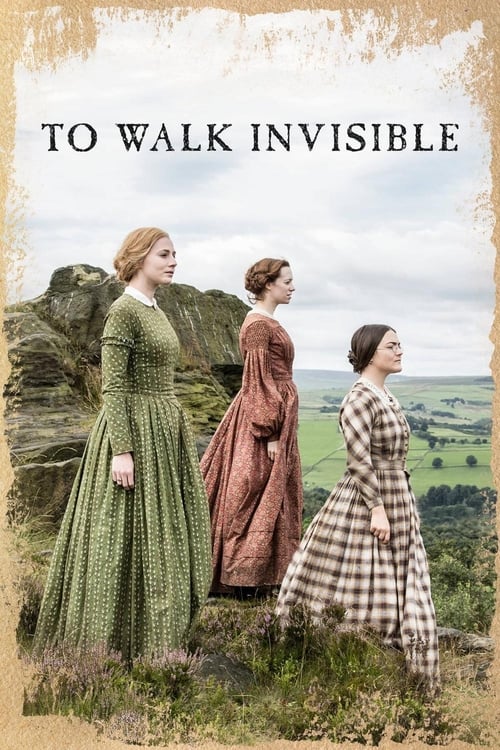
The setting of Haworth, with its moors and isolated environment, plays a significant role in shaping the Brontë sisters' story. The rugged landscape reflects their inner turmoil and creative struggles, serving as both a source of inspiration and a reminder of their isolation. The oppressive atmosphere of their home life, coupled with the stark beauty of the moors, influences their writing and emotional states, highlighting the contrast between their imaginative worlds and harsh realities.
Is this family friendly?
"To Walk Invisible," produced in 2016, is a biographical drama that focuses on the lives of the Brontë sisters--Charlotte, Emily, and Anne--during the 19th century. While the film is rich in historical context and character development, it does contain some themes and scenes that may be considered objectionable or upsetting for children or sensitive viewers.
-
Depictions of Illness and Death: The film portrays the struggles of the Brontë family with illness, including tuberculosis, which was a common cause of death during that era. The emotional weight of losing loved ones is a recurring theme.
-
Emotional Turmoil: The characters experience significant emotional distress, including feelings of isolation, frustration, and despair. This can be intense and may resonate deeply with sensitive viewers.
-
Family Conflict: There are scenes that depict tension and conflict within the family, particularly regarding their ambitions and the pressures they face as women writers in a male-dominated society.
-
Societal Challenges: The film addresses the limitations placed on women in the 19th century, including societal expectations and the struggle for independence, which may be difficult for younger viewers to fully understand.
-
Depictions of Poverty: The Brontë family's financial struggles are evident, showcasing the harsh realities of their living conditions, which may be unsettling for some.
Overall, while "To Walk Invisible" is a poignant exploration of the Brontë sisters' lives and their literary contributions, its themes of illness, emotional conflict, and societal challenges may not be suitable for all children or sensitive viewers.







