



















Popular
What motivates Hogarth Hughes to befriend the Iron Giant?
How does the Iron Giant's understanding of humanity evolve throughout the film?
What role does Dean McCoppin play in Hogarth's journey with the Iron Giant?
How does the military's perception of the Iron Giant change throughout the film?
What is the significance of the Iron Giant's ability to choose between destruction and saving others?
Should I watch it?
Ask Your Own Question

What is the plot?
Sorry, we aren't able to watch and write up a full detailed plot yet. Check back in a few days.
More Movies Like This
Browse All Movies →








What is the ending?
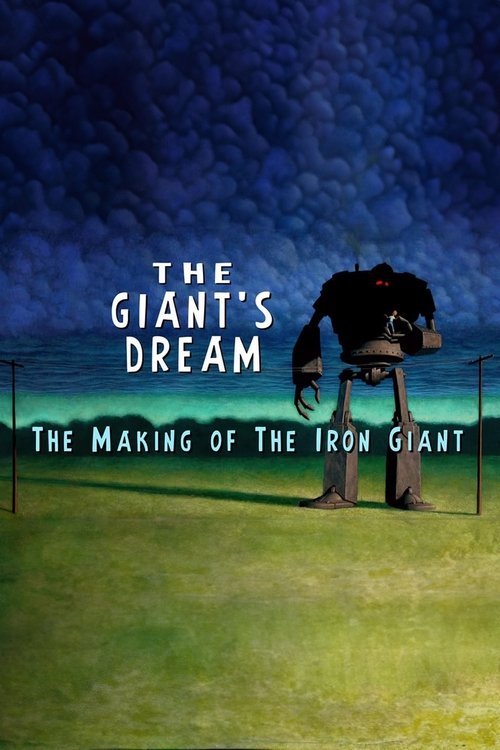
The ending of "The Giant's Dream: The Making of the Iron Giant" focuses on the culmination of the creative journey behind the making of "The Iron Giant." It highlights the emotional impact of the film, the challenges faced by the creators, and the lasting legacy of the story. The documentary concludes with reflections from the filmmakers and cast about the film's themes of friendship, sacrifice, and the importance of embracing one's true self.
In a more detailed narrative, the ending unfolds as follows:
As the documentary approaches its conclusion, it revisits the final scenes of "The Iron Giant," where the titular character, a massive robot with a gentle heart, faces a critical moment of sacrifice. The film's climax is depicted with emotional weight, showcasing the bond between Hogarth Hughes, a young boy who befriends the Giant, and the Giant himself.
In the final act, the military, led by a determined General, perceives the Giant as a threat. Tension builds as the Giant, who has learned about love and friendship from Hogarth, must confront the reality of his existence. The scene is charged with emotion as Hogarth pleads with the Giant to understand that he is not a weapon, but a friend. The Giant, grappling with his identity, ultimately makes the heart-wrenching decision to protect Hogarth and the town by flying into the sky to intercept a missile aimed at them.
As the missile approaches, the Giant's transformation is visually striking. He rises into the air, his massive form silhouetted against the sky, embodying both fear and hope. The moment is poignant, filled with a sense of impending loss as Hogarth watches, tears streaming down his face. The Giant, in a final act of bravery, sacrifices himself to save the people he has come to care for, and the explosion lights up the sky, leaving a profound silence in its wake.
The documentary then shifts to the aftermath of the film's release, where the creators reflect on the impact of the story. They discuss how the themes of sacrifice and the struggle for identity resonate with audiences, emphasizing the importance of choosing love over fear. The filmmakers share their personal connections to the characters, revealing how the Giant's journey mirrors their own experiences in the industry.
As the credits roll, the documentary highlights the legacy of "The Iron Giant," showcasing how it has continued to inspire new generations. The final scenes feature interviews with fans and creators who express their admiration for the film's message about embracing one's true nature and the power of friendship. The documentary closes on a hopeful note, reminding viewers that while the Giant may be gone, his spirit lives on in the hearts of those who believe in the goodness of others.
In summary, the fates of the main characters are intertwined with the film's themes. Hogarth learns the value of bravery and love, while the Giant, through his sacrifice, becomes a symbol of hope and redemption. The General, initially portrayed as an antagonist, ultimately represents the fear that can arise from misunderstanding, leaving the audience with a sense of reflection on the nature of humanity and the choices we make.
Is there a post-credit scene?
The documentary "The Giant's Dream: The Making of the Iron Giant" does not feature a post-credit scene. The film focuses on the behind-the-scenes journey of creating the beloved animated film "The Iron Giant," exploring the challenges, creative processes, and the emotional connections of the filmmakers and cast. It concludes with reflections on the impact of the original film rather than including any additional scenes or content after the credits.
What motivates Hogarth Hughes to befriend the Iron Giant?
Hogarth Hughes, a curious and imaginative young boy, is motivated by his innate sense of wonder and compassion. When he discovers the Iron Giant, he sees not just a massive robot but a potential friend who is misunderstood and in need of protection. His desire to connect with the Giant stems from his own feelings of isolation and the longing for companionship, as well as a strong moral compass that drives him to defend the Giant from those who would harm it.
How does the Iron Giant's understanding of humanity evolve throughout the film?
Initially, the Iron Giant is a blank slate, unaware of its own strength and the implications of its existence. As Hogarth introduces the Giant to various aspects of human life, including friendship, kindness, and the concept of choice, the Giant begins to develop a sense of identity. This evolution is marked by key moments, such as when it learns to play and express emotions, ultimately leading to its profound understanding of sacrifice and heroism.
What role does Dean McCoppin play in Hogarth's journey with the Iron Giant?
Dean McCoppin serves as a mentor and protector figure for Hogarth. Initially a cynical artist, Dean's character evolves as he becomes more involved in Hogarth's life and the situation with the Iron Giant. He provides Hogarth with guidance and support, helping him navigate the challenges posed by the military and the fear surrounding the Giant. Dean's artistic perspective also helps Hogarth see the beauty in the Giant, reinforcing the theme of acceptance and understanding.
How does the military's perception of the Iron Giant change throughout the film?
The military's perception of the Iron Giant shifts dramatically from fear to a more complex understanding. Initially, they view the Giant as a threat, a dangerous weapon that must be destroyed. However, as the story unfolds, particularly through Hogarth's interactions with the Giant, the military's perspective begins to change. The climax reveals the Giant's true nature, leading to a moment of realization that the Giant is not an enemy but a protector, culminating in a tense but ultimately redemptive confrontation.
What is the significance of the Iron Giant's ability to choose between destruction and saving others?
The Iron Giant's ability to choose between destruction and saving others is a pivotal element of the narrative, symbolizing the struggle between one's inherent nature and the influence of external factors. Throughout the film, the Giant grapples with its identity and the fear of being a weapon. In the climax, when faced with the choice to sacrifice itself to save the town, the Giant's decision to embrace its capacity for good over its potential for destruction highlights the theme of self-determination and the power of choice, ultimately defining its character.
Is this family friendly?
The Giant's Dream: The Making of the Iron Giant is a documentary that explores the creation of the beloved animated film, The Iron Giant. It is generally considered family-friendly, as it focuses on the artistic process, the challenges faced by the filmmakers, and the themes of friendship and acceptance.
However, there are a few aspects that might be potentially objectionable or upsetting for children or sensitive viewers:
-
Discussion of Failure and Rejection: The documentary includes candid interviews with the creators discussing the struggles and setbacks they faced during the production, which may evoke feelings of disappointment or sadness.
-
Emotional Reflections: Some segments feature emotional reflections from the filmmakers about their personal experiences and the impact of the film, which could be intense for younger viewers.
-
Themes of Loss: There are discussions about the themes of loss and sacrifice present in The Iron Giant, which may resonate deeply and could be upsetting for some children.
-
Industry Challenges: The documentary touches on the harsh realities of the animation industry, including the pressure to conform to commercial expectations, which might be difficult for younger audiences to fully understand.
Overall, while the documentary is insightful and inspiring, it does contain moments that may require parental guidance for younger viewers.








