


Popular
Who is Helen Morgan and what role does she play in the film?
What events led to Lee Morgan's murder?
How does the film depict Lee Morgan's career and its impact on his personal life?
What is the significance of the jazz club setting in the film?
How does Helen Morgan's perspective shape the narrative of the film?
Should I watch it?
Ask Your Own Question

What is the plot?
Sorry, we aren't able to watch and write up a full detailed plot yet. Check back in a few days.






What is the ending?
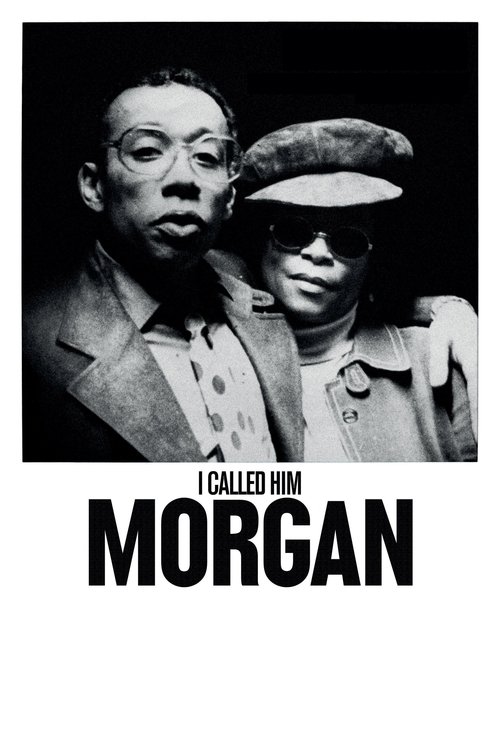
In the ending of "I Called Him Morgan," the film culminates in a poignant reflection on the life and tragic death of jazz musician Lee Morgan. After recounting the events leading up to his murder by his common-law wife, Helen Morgan, the film closes with a sense of unresolved grief and the impact of their tumultuous relationship on those who knew them.
As the film progresses towards its conclusion, we see Helen Morgan, now an older woman, reflecting on her life with Lee. The narrative shifts between archival footage of Lee's performances and interviews with those who were close to him, painting a vivid picture of his talent and the struggles he faced. The emotional weight of Helen's memories is palpable as she grapples with the choices she made and the love she had for Lee, despite the violence that ultimately defined their relationship.
The film ends with a haunting sense of loss, as Helen acknowledges the complexity of their bond and the legacy of Lee's music, leaving viewers with a lingering sense of the fragility of life and love.
As the film approaches its conclusion, the narrative begins to weave together the threads of Lee Morgan's life and the tragic events that led to his untimely death. The scene transitions to a dimly lit room where Helen Morgan, now an elderly woman, sits in front of the camera, her face etched with the lines of time and experience. She reflects on her life with Lee, her voice tinged with both nostalgia and sorrow. The camera captures her expressions, revealing the depth of her emotions as she recalls their passionate yet tumultuous relationship.
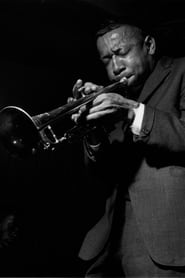
The film intersperses these intimate moments with archival footage of Lee performing on stage, his charisma and talent shining through the grainy images. The music swells, evoking a sense of both joy and melancholy as viewers are reminded of the brilliance that was Lee Morgan. Helen's voiceover continues, revealing her internal conflict--her love for Lee was profound, yet it was marred by the violence that ultimately led to his death.
The narrative then shifts to the night of the murder. The tension builds as Helen recounts the events leading up to that fateful moment. The film portrays the chaotic atmosphere of the jazz club where Lee was shot, the sounds of music and laughter juxtaposed with the impending tragedy. Helen's memories are vivid, and the audience can feel her anxiety and regret as she describes the arguments and the emotional turmoil that plagued their relationship.
In a heart-wrenching moment, the film reveals the details of the shooting. Helen recalls the moment she pulled the trigger, her voice breaking as she grapples with the weight of her actions. The camera lingers on her face, capturing the pain and remorse that she carries. The scene is heavy with emotion, and the audience is left to ponder the complexities of love, violence, and the consequences of choices made in moments of desperation.
As the film draws to a close, we see Helen visiting Lee's grave, a poignant moment that encapsulates her enduring love and the burden of her past. She places flowers on the grave, her hands trembling slightly, and the camera captures the tears in her eyes. The scene is quiet, filled with the sounds of nature, contrasting sharply with the chaos of their lives. Helen's voiceover reflects on the legacy of Lee's music, acknowledging that while he is gone, his spirit lives on through his art.
The final moments of the film are a powerful reminder of the fragility of life and the enduring impact of love, even when it is intertwined with pain. The screen fades to black, leaving the audience with a sense of unresolved grief and the haunting melodies of Lee Morgan's music echoing in their minds. The fate of Helen Morgan is one of reflection and remorse, as she continues to live with the memories of her past, while Lee's legacy as a brilliant musician remains immortalized in the hearts of those who loved him and appreciated his art.
Is there a post-credit scene?
The movie "I Called Him Morgan," directed by Kasper Collin, does not feature a post-credit scene. The film concludes with a poignant reflection on the life and tragic death of jazz musician Lee Morgan, focusing on his relationship with his wife, Helen Morgan. The narrative wraps up with a sense of closure, emphasizing the emotional weight of their story rather than leaving viewers with an additional scene after the credits. The film's ending serves to encapsulate the themes of love, loss, and the complexities of their lives, making a post-credit scene unnecessary.
Who is Helen Morgan and what role does she play in the film?
Helen Morgan is the wife of jazz musician Lee Morgan and serves as the film's narrator. Her perspective is crucial as she recounts her life with Lee, their love story, and the tragic events that unfolded leading to his death. Helen's emotional journey reveals her deep love for Lee, her struggles with his tumultuous lifestyle, and her own personal growth.
What events led to Lee Morgan's murder?
Lee Morgan was murdered by his common-law wife, Helen Morgan, during a heated argument in a New York City jazz club. The film details the events leading up to this tragic moment, including Lee's struggles with addiction, his tumultuous relationships, and the pressures of fame, which ultimately culminate in the fatal confrontation.
How does the film depict Lee Morgan's career and its impact on his personal life?
The film explores Lee Morgan's rise to fame as a talented jazz trumpeter, showcasing his performances and the vibrant jazz scene of the 1960s. However, it also highlights the toll that his career took on his personal life, including his battles with drug addiction and the strain it placed on his relationship with Helen, illustrating the duality of his success and personal struggles.
What is the significance of the jazz club setting in the film?
The jazz club serves as a central setting in the film, representing both the vibrant world of jazz music and the darker aspects of Lee Morgan's life. It is where he performed, where he faced the pressures of his career, and ultimately where the tragic climax of the story occurs. The club's atmosphere captures the energy of the jazz scene while also foreshadowing the impending tragedy.
How does Helen Morgan's perspective shape the narrative of the film?
Helen Morgan's perspective is integral to the narrative, as she provides a personal and intimate account of her life with Lee. Her reflections on their relationship, the challenges they faced, and her feelings of love and loss create an emotional depth to the story. Through her eyes, the audience gains insight into Lee's character, his struggles, and the complexities of their bond.
Is this family friendly?
"I Called Him Morgan" is a documentary film that explores the life and tragic death of jazz musician Lee Morgan, as told through the perspective of his widow, Helen Morgan. While the film is a poignant exploration of love, loss, and the jazz scene of the 1960s, it does contain some elements that may not be suitable for children or sensitive viewers.
-
Violence and Death: The film discusses the circumstances surrounding Lee Morgan's murder, which may be distressing for some viewers. There are references to violence and the impact of his death on those who loved him.
-
Substance Use: The documentary touches on themes of drug use prevalent in the jazz community during that era, which may be concerning for younger audiences.
-
Emotional Trauma: Helen Morgan shares her emotional struggles and the trauma of losing her husband, which could be heavy and upsetting for sensitive viewers.
-
Adult Themes: The film delves into complex adult relationships and the challenges faced by the couple, including issues of infidelity and personal struggles, which may not be appropriate for younger viewers.
Overall, while the film is a rich narrative about jazz and personal history, its themes and content may be more suitable for mature audiences.









