





Popular
Should I watch it?
Ask Your Own Question

What is the plot?
Sorry, we aren't able to watch and write up a full detailed plot yet. Check back in a few days.







What is the ending?
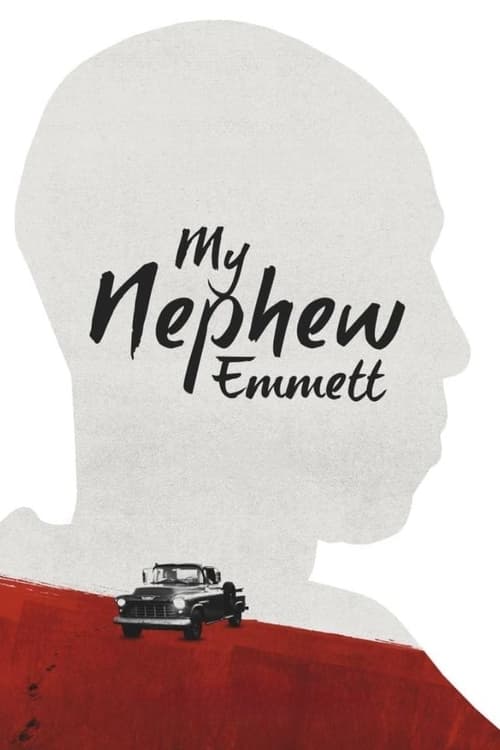
In the ending of "My Nephew Emmett," the tension culminates as Emmett Till's fate is sealed by the actions of a group of white men. His uncle, Mose Wright, is left devastated and powerless, having tried to protect Emmett but ultimately unable to prevent the tragedy. The film closes with a haunting sense of loss and the impact of racial violence, leaving the audience with a profound understanding of the historical context and emotional weight of the events.
As the film approaches its climax, the atmosphere is thick with dread. The night is dark, and the oppressive heat of Mississippi hangs in the air. Mose Wright, Emmett's uncle, is portrayed as a loving guardian, deeply concerned for his nephew's safety. He has taken Emmett in, hoping to shield him from the harsh realities of the Jim Crow South. The tension escalates when Emmett, a young boy from Chicago, innocently interacts with a white woman in a local store, unaware of the dangerous implications of his actions.
Scene by scene, the narrative unfolds with a palpable sense of urgency. Mose is shown pacing in his home, his face etched with worry as he discusses the potential repercussions of Emmett's behavior with his wife. The couple's love and concern for Emmett are evident, but they are also acutely aware of the societal dangers surrounding them. The film captures the stark contrast between the innocence of Emmett and the brutal reality of the world he has entered.
As the night progresses, a group of white men, fueled by racial hatred, arrives at Mose's home. The tension is suffocating as they demand to take Emmett away. Mose's heart races, and he feels a mix of fear and helplessness. He tries to stand up to the men, but the overwhelming power dynamics of race and violence render him powerless. The men drag Emmett from the house, and the anguish on Mose's face is heartbreaking. He knows he cannot protect his nephew, and the weight of that realization crushes him.
The film then shifts to a haunting scene where Emmett is taken to a remote location. The brutality of the men is palpable, and the audience is left to grapple with the horror of what is about to unfold. The camera lingers on Emmett's face, capturing his confusion and fear, a stark reminder of his youth and innocence. The emotional weight of the moment is heavy, as the audience understands the tragic fate that awaits him.
In the final moments, the film does not shy away from the aftermath of the violence. Mose is left in despair, grappling with the loss of his nephew and the reality of racial terror. The film closes on a somber note, emphasizing the deep scars left by such acts of hatred. The fate of Emmett is sealed, and the impact of his death resonates through the community and beyond, highlighting the historical significance of the events.
Mose Wright is left to mourn, embodying the pain of countless families affected by racial violence. The film ends with a powerful reminder of the struggle against injustice, leaving the audience with a profound sense of sorrow and reflection on the legacy of Emmett Till.
Is there a post-credit scene?
The movie "My Nephew Emmett," produced in 2017, does not contain a post-credit scene. The film concludes its narrative without any additional scenes or content after the credits roll. The story focuses on the emotional and tense events surrounding the character of Emmett Till and the impact of racial violence in the 1950s, leaving the audience with a poignant reflection on the themes presented throughout the film.
What events lead to Emmett's arrival in Mississippi?
Emmett Till arrives in Mississippi to visit relatives during the summer of 1955. His mother, Mamie Till, sends him to stay with his great-uncle, Mose Wright, and his family in the small town of Money, Mississippi. This trip is meant to expose Emmett to his family's roots and the Southern way of life.
How does Mose Wright react to the news of Emmett's abduction?
Mose Wright is initially shocked and horrified when he learns that Emmett has been abducted by two white men, J.W. Milam and his half-brother, Roy Bryant. His protective instincts kick in, and he feels a deep sense of responsibility for Emmett's safety, grappling with fear and helplessness in the face of racial violence.
What role does Mamie Till play in the story?
Mamie Till, Emmett's mother, is a pivotal character who embodies strength and resilience. After learning about her son's abduction and murder, she becomes determined to seek justice and ensure that the world knows what happened to Emmett. Her emotional turmoil and fierce love for her son drive her actions throughout the film.
What is the significance of the character of Reverend Wright?
Reverend Wright serves as a moral compass in the film, providing guidance and support to Mose and the family during the crisis. He represents the community's collective grief and the struggle for justice, urging them to stand together in the face of overwhelming fear and oppression.
How does the film depict the relationship between Emmett and his family?
The film portrays a close-knit family dynamic, highlighting the love and affection between Emmett and his relatives. Emmett is shown as a spirited and playful young boy, and his interactions with Mose and other family members reveal their deep bonds, underscoring the tragedy of his fate and the impact of his loss on the family.
Is this family friendly?
"My Nephew Emmett," produced in 2017, is a historical drama that deals with heavy themes surrounding racial violence and injustice in the American South during the 1950s. While it is a poignant and important film, it contains several elements that may be objectionable or upsetting for children or sensitive viewers.
-
Racial Tension: The film portrays the intense racial discrimination and hostility faced by African Americans during this period, which may be distressing for younger audiences.
-
Violence: There are scenes that depict the threat of violence and the aftermath of racially motivated attacks, which can be unsettling.
-
Emotional Distress: Characters experience significant emotional turmoil, fear, and despair, particularly in relation to the safety of family members, which may be difficult for sensitive viewers to process.
-
Confrontational Dialogue: The film includes harsh and confrontational language that reflects the societal attitudes of the time, which may be inappropriate for younger viewers.
-
Historical Context: The film addresses the real-life murder of Emmett Till, a tragic event in American history, which may be too intense for children or those unprepared for such themes.
Overall, while the film is a powerful narrative about family and justice, its content may not be suitable for all audiences, particularly younger children or those who are sensitive to themes of violence and racial injustice.









