
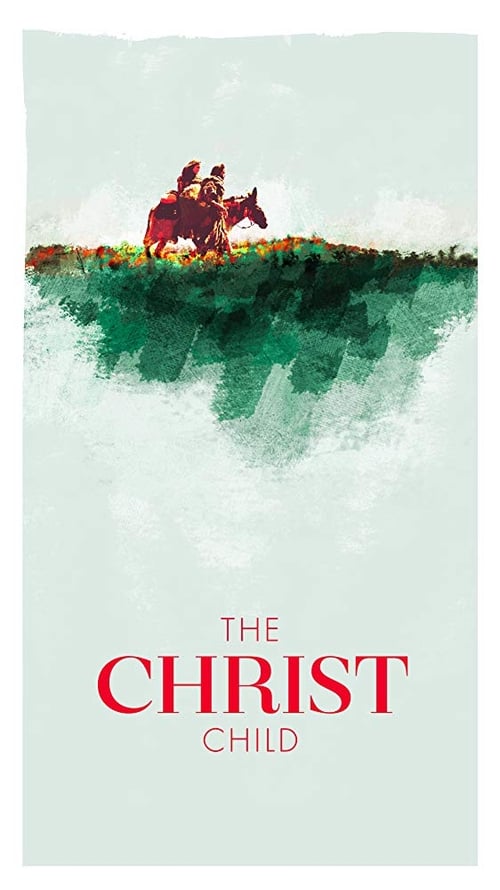





Popular
What challenges do Mary and Joseph face on their journey to Bethlehem?
How does the character of the innkeeper impact Mary and Joseph's story?
What is the significance of the shepherds in the narrative?
How does the character of King Herod influence the events surrounding Jesus's birth?
What role do the wise men play in the story, and what do their gifts symbolize?
Should I watch it?
Ask Your Own Question

What is the plot?
Sorry, we aren't able to watch and write up a full detailed plot yet. Check back in a few days.








What is the ending?
In the ending of "The Christ Child: A Nativity Story," Mary and Joseph find refuge in a stable where Mary gives birth to Jesus. The humble setting is filled with animals, and the couple experiences a mix of fear and joy as they welcome their child. Shepherds, guided by angels, arrive to witness the miraculous birth, bringing a sense of wonder and reverence. The film concludes with the arrival of the Magi, who present gifts to the newborn Jesus, symbolizing his significance. The story ends on a note of hope and divine promise, emphasizing the importance of faith and love.
As the film approaches its conclusion, the atmosphere is charged with anticipation. Mary, weary yet resolute, is in the stable, surrounded by the soft sounds of animals. The dim light casts gentle shadows, creating a serene yet sacred space. Joseph, filled with a mix of anxiety and devotion, supports Mary as she prepares to give birth. His hands tremble slightly, reflecting his internal struggle between fear of the unknown and the overwhelming love he feels for Mary and their unborn child.
As Mary experiences the pains of labor, the tension in the air thickens. The stable, though humble, becomes a sanctuary, a place where the divine intersects with the ordinary. With each contraction, Mary's face reveals a blend of pain and determination. Joseph, ever the protector, reassures her with soft words, his eyes filled with admiration and concern. The moment is intimate, underscoring their bond and the gravity of the moment they are about to share.
Finally, amidst the sounds of the stable, Mary gives birth to Jesus. The cries of the newborn fill the air, a sound that resonates with hope and promise. Mary cradles her child, tears of joy streaming down her face as she gazes into the eyes of her son. Joseph kneels beside them, overwhelmed by the miracle of life before him. The stable, once a mere shelter, transforms into a holy ground, filled with an aura of peace and love.
As the scene unfolds, the shepherds, guided by a celestial light, arrive at the stable. Their faces are filled with awe and reverence as they witness the newborn. They share their story of the angels who proclaimed the birth of the Savior, their voices trembling with excitement. The shepherds approach Mary and Joseph, kneeling in humility before the child. This moment signifies the fulfillment of prophecy and the unifying power of faith, as these humble men recognize the significance of the child.
The film then transitions to the arrival of the Magi, who journey from afar, following the star that leads them to the stable. Their regal presence contrasts with the simplicity of the setting, highlighting the universal importance of Jesus' birth. They present gifts of gold, frankincense, and myrrh, each symbolizing different aspects of Jesus' identity and future. The exchange is filled with reverence, as the Magi bow before the child, acknowledging his divine nature.
As the film draws to a close, the camera pans out, capturing the stable bathed in soft light, surrounded by the night sky filled with stars. The final moments emphasize the themes of hope, love, and the promise of salvation. Mary and Joseph, now parents, look at each other with a newfound understanding of their roles in this divine plan. The film ends on a note of serenity, leaving the audience with a sense of peace and the enduring message of faith.
In terms of character fates, Mary and Joseph embrace their roles as the parents of Jesus, filled with love and responsibility. The shepherds return to their flocks, transformed by the experience, carrying the message of the birth to their communities. The Magi, having fulfilled their purpose, return to their lands, forever changed by their encounter with the divine. Each character leaves the stable with a renewed sense of purpose, embodying the film's central themes of faith, hope, and the transformative power of love.
Is there a post-credit scene?
The movie "The Christ Child: A Nativity Story" does not feature a post-credit scene. The film concludes its narrative without any additional scenes or content after the credits roll. The focus remains on the retelling of the Nativity story, emphasizing the birth of Jesus and the surrounding events, leaving the audience with a sense of closure and reflection on the themes presented throughout the film.
What challenges do Mary and Joseph face on their journey to Bethlehem?
Mary and Joseph encounter numerous challenges on their journey to Bethlehem, including the harshness of the terrain, the threat of being turned away from inns due to the crowded conditions, and the emotional strain of Mary's pregnancy. They also face societal judgment and the fear of not being accepted as they travel to fulfill the census requirement.
How does the character of the innkeeper impact Mary and Joseph's story?
The innkeeper plays a crucial role in the story by initially denying Mary and Joseph a room due to the overcrowding in Bethlehem. However, he ultimately shows compassion by offering them shelter in his stable, which becomes the birthplace of Jesus. This act of kindness highlights the theme of unexpected generosity amidst adversity.
What is the significance of the shepherds in the narrative?
The shepherds are significant as they represent the humble and marginalized members of society. Their visit to the newborn Jesus after receiving the angelic announcement symbolizes the message of hope and salvation being accessible to all, regardless of social status. Their awe and joy upon finding the Christ Child emphasize the miraculous nature of his birth.
How does the character of King Herod influence the events surrounding Jesus's birth?
King Herod's character introduces a sense of danger and urgency to the narrative. His jealousy and fear of losing power lead him to plot against the newborn king, prompting the wise men to avoid returning to him after visiting Jesus. This threat forces Mary and Joseph to flee to Egypt, highlighting the peril that surrounds the holy family even at the moment of Jesus's birth.
What role do the wise men play in the story, and what do their gifts symbolize?
The wise men, or Magi, play a pivotal role as they travel from afar to honor the birth of Jesus. Their gifts of gold, frankincense, and myrrh are rich in symbolism: gold represents Jesus's kingship, frankincense signifies his divinity, and myrrh foreshadows his suffering and death. Their journey underscores the recognition of Jesus's significance beyond the local context, indicating his universal importance.
Is this family friendly?
The Christ Child: A Nativity Story is generally considered family-friendly, as it focuses on the biblical narrative of the birth of Jesus Christ. However, there are a few scenes and themes that might be potentially objectionable or upsetting for children or sensitive viewers:
-
Depictions of Struggle and Hardship: The film portrays the difficult journey of Mary and Joseph, including their struggles with societal rejection and the challenges of finding shelter. These scenes may evoke feelings of sadness or empathy.
-
Fear and Anxiety: There are moments of tension, particularly surrounding the couple's fears about the implications of Mary's pregnancy and the potential dangers they face, which could be unsettling for younger viewers.
-
Historical Context of Violence: The film touches on the historical context of the time, including the threat posed by King Herod, which may include references to violence or persecution that could be distressing.
-
Emotional Turmoil: Characters experience a range of emotions, including fear, doubt, and despair, particularly in relation to their faith and the challenges they face. This emotional depth might be intense for some children.
Overall, while the film conveys a message of hope and faith, these elements may require parental guidance for younger audiences.








