


























Popular
What is George Banks' initial reaction to his daughter's engagement?
How does George Banks feel about the wedding planning process?
What role does Franck play in the wedding planning?
How does George's relationship with his wife, Nina, evolve throughout the film?
What is the significance of the scene where George meets Annie's fiancé, Brian?
Should I watch it?
Ask Your Own Question

What is the plot?
Sorry, we aren't able to watch and write up a full detailed plot yet. Check back in a few days.




What is the ending?
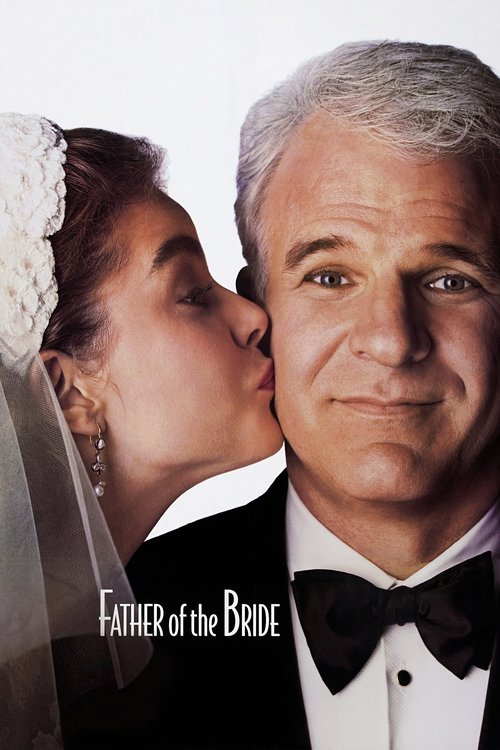
In the ending of "Father of the Bride," George Banks comes to terms with his daughter's marriage, realizing that he must let her go. The wedding takes place, filled with emotional moments, and George ultimately finds joy in the celebration. The film concludes with a sense of acceptance and love as George embraces his new role as a father-in-law.
As the story approaches its climax, the wedding day arrives, and the atmosphere is charged with excitement and nervous energy. George Banks, played by Steve Martin, is a bundle of nerves, struggling to accept that his daughter, Annie, is about to marry Bryan MacKenzie. The day begins with George waking up early, his mind racing with thoughts of the impending ceremony. He is both proud and heartbroken, grappling with the reality that his little girl is growing up.
The scene shifts to the Banks household, where preparations are in full swing. George's wife, Nina, and Annie are bustling about, while George tries to maintain some semblance of control over the chaos. He is visibly anxious, his internal conflict evident as he tries to hold onto the memories of Annie as a child. He recalls moments from her childhood, which only intensifies his emotional struggle.
As the wedding ceremony approaches, George's anxiety peaks. He has a heartfelt conversation with Annie, where he expresses his love and concern for her future. Annie reassures him, but George's fears about losing her linger. The wedding takes place in a beautiful church, filled with family and friends. The scene is adorned with flowers and soft lighting, creating a romantic atmosphere. George stands at the front, visibly emotional as he watches Annie walk down the aisle in her stunning wedding dress.
During the ceremony, George's internal turmoil is palpable. He recalls all the moments he shared with Annie, from her first steps to her first date. As Bryan vows to take care of Annie, George's heart swells with pride but also with sadness. He struggles to let go, feeling a mix of joy for his daughter and sorrow for the change in their relationship.
After the ceremony, the reception begins, and the mood shifts to one of celebration. George, still grappling with his emotions, finds himself in humorous situations, trying to navigate the chaos of the reception. He shares a touching moment with Nina, who reminds him of the importance of family and love. As the night progresses, George begins to see the joy in the occasion, realizing that this is a new chapter for Annie and Bryan, and for himself as well.
In the final moments of the film, George embraces Bryan, acknowledging him as part of the family. He watches Annie and Bryan dance together, and a sense of acceptance washes over him. The film closes with George reflecting on the love that binds them all together, understanding that while he is losing his daughter to another man, he is gaining a son-in-law and expanding his family.
The fate of the main characters is one of growth and acceptance. George learns to let go of his fears and embrace the changes in his life. Annie steps into her new role as a wife, excited for her future with Bryan. Nina remains a supportive partner, helping George navigate his emotions. Bryan, now part of the family, is welcomed with open arms. The film concludes on a hopeful note, emphasizing the enduring bonds of family and love.
Is there a post-credit scene?
The movie "Father of the Bride" produced in 1991 does not have a post-credit scene. The film concludes with a heartwarming ending that wraps up the story of George Banks, played by Steve Martin, as he comes to terms with his daughter Annie's marriage. The final moments show George embracing the changes in his life, and the credits roll without any additional scenes following them. The focus remains on the emotional journey of the characters throughout the film, particularly George's struggle with letting go of his daughter and accepting her new life.
What is George Banks' initial reaction to his daughter's engagement?
George Banks, played by Steve Martin, is initially shocked and overwhelmed when he learns that his daughter Annie, portrayed by Kimberly Williams, is engaged to be married. His reaction is a mix of disbelief and concern, as he struggles to accept that his little girl is growing up and leaving home. He feels a sense of loss and nostalgia, reminiscing about her childhood, which is visually represented through flashbacks of Annie as a young girl.
How does George Banks feel about the wedding planning process?
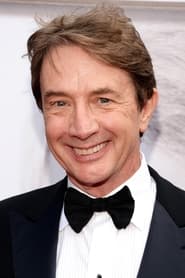
As the wedding planning progresses, George becomes increasingly anxious and frustrated. He feels out of control as he navigates the overwhelming details of the wedding, from the extravagant budget to the various opinions of family members. His emotional state fluctuates between humor and exasperation, particularly during scenes where he clashes with the wedding planner, Franck, played by Martin Short, who embodies flamboyance and enthusiasm that contrasts sharply with George's more traditional views.
What role does Franck play in the wedding planning?
Franck, the wedding planner, is a pivotal character who brings both chaos and charm to the wedding planning process. He is portrayed as flamboyant and over-the-top, often pushing George out of his comfort zone. Franck's enthusiasm and creative ideas clash with George's more conservative approach, leading to comedic moments that highlight George's growing frustration. Franck's character serves as a catalyst for George's transformation as he learns to embrace the changes in his life.
How does George's relationship with his wife, Nina, evolve throughout the film?
Throughout the film, George's relationship with his wife, Nina, played by Diane Keaton, evolves as they navigate the challenges of their daughter's wedding. Initially, George is dismissive of Nina's excitement about the wedding, but as the story progresses, he begins to appreciate her perspective and support. Their interactions reveal a deeper bond, showcasing their shared history and mutual love, especially during moments of vulnerability when they reflect on their own marriage and the changes in their family.
What is the significance of the scene where George meets Annie's fiancé, Brian?
The scene where George meets Annie's fiancé, Brian, is significant as it encapsulates George's protective instincts as a father. George's initial impression of Brian is skeptical; he questions Brian's intentions and suitability as a husband for his daughter. This moment is filled with tension and humor, as George's overprotectiveness leads to awkward exchanges. It highlights George's internal struggle to let go of his daughter while also showcasing Brian's earnestness and love for Annie, setting the stage for George's eventual acceptance.
Is this family friendly?
"Father of the Bride" (1991) is generally considered a family-friendly film, but there are a few scenes and aspects that might be potentially objectionable or upsetting for children or sensitive viewers:
-
Financial Stress: George Banks, the father, experiences significant stress and anxiety over the costs of his daughter's wedding, which may resonate with viewers who have experienced financial difficulties.
-
Emotional Moments: There are scenes that depict the emotional turmoil of a father coming to terms with his daughter growing up and getting married. This can evoke feelings of sadness or nostalgia.
-
Misunderstandings and Conflicts: The film includes moments of tension between family members, particularly between George and his wife, Nina, as they navigate the wedding planning. These conflicts may be uncomfortable for some viewers.
-
Cultural Differences: The film features a subplot involving the cultural differences between George and his daughter's fiancé's family, which may lead to misunderstandings and comedic tension.
-
Physical Comedy: There are instances of slapstick humor, such as George's mishaps during the wedding planning process, which might be perceived as chaotic or overwhelming.
Overall, while the film contains some emotional and comedic moments that could be sensitive for certain viewers, it maintains a light-hearted tone and ultimately conveys themes of love and family.








