






Popular
What challenges does Dorothy face on her journey to see the Wizard?
How does the Scarecrow demonstrate his desire for a brain?
What role does the Tin Man play in Dorothy's journey?
How does the Cowardly Lion's character evolve throughout the story?
What is the significance of the Wicked Witch of the West in the plot?
Should I watch it?
Ask Your Own Question

What is the plot?
Sorry, we aren't able to watch and write up a full detailed plot yet. Check back in a few days.
More Movies Like This
Browse All Movies →


What is the ending?
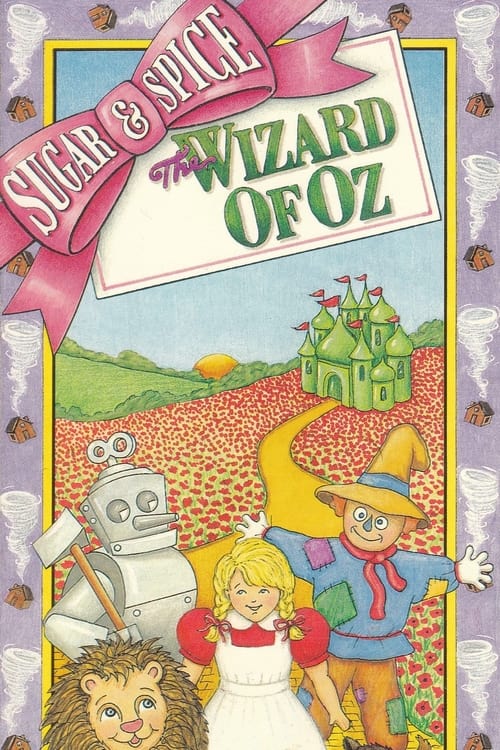
In the 1991 adaptation of The Wizard of Oz, the ending sees Dorothy return home to Kansas after her adventures in Oz. She realizes that her journey has taught her the importance of home and the love of her family. The characters she met in Oz, including the Scarecrow, Tin Man, and Cowardly Lion, each receive what they sought: the Scarecrow gains wisdom, the Tin Man finds a heart, and the Cowardly Lion discovers courage. Ultimately, Dorothy awakens in her bed, surrounded by her family, affirming that there's no place like home.
As the story reaches its conclusion, we find Dorothy Gale standing in the Emerald City, having successfully defeated the Wicked Witch of the West with the help of her friends. The scene is vibrant, filled with the colors of the city, but there is a sense of urgency as Dorothy realizes she must return to Kansas. The Wizard, who has been revealed to be a mere man behind a curtain, offers to take her home in a hot air balloon. However, in a twist of fate, the balloon takes off without her, leaving her feeling despondent and lost.
In her moment of despair, Glinda, the Good Witch of the South, appears. She gently reassures Dorothy that she has always had the power to return home. Glinda explains that Dorothy must click her heels together three times and say, "There's no place like home." This moment is pivotal, as it encapsulates the theme of self-discovery and the realization that the strength to achieve one's desires often lies within oneself.
As Dorothy clicks her heels, the scene shifts, and she is enveloped in a whirlwind of sparkling lights. The vibrant colors of Oz begin to fade, and she feels a sense of warmth and comfort as she is transported back to Kansas. The transition is marked by a soft, nostalgic score that evokes a sense of longing and fulfillment.
Dorothy awakens in her own bed, surrounded by the familiar sights and sounds of her home. She is greeted by her Aunt Em and Uncle Henry, who are relieved to see her safe and sound. The emotional reunion is filled with warmth, and Dorothy expresses her adventures to her family, though they are skeptical of her fantastical tales. However, Dorothy's eyes shine with the knowledge of her journey and the friends she made along the way.
The final scenes reveal the fates of her companions in Oz. The Scarecrow, now crowned as the ruler of the Emerald City, is filled with newfound wisdom. He stands tall, embodying the intelligence he always sought. The Tin Man, who has been granted a heart, is seen caring for the inhabitants of Oz, showcasing his capacity for love and compassion. The Cowardly Lion, having found his courage, is now a protector of the realm, embodying bravery and strength.
As the film closes, Dorothy reflects on her journey, understanding that while she sought adventure, the true treasure was the love and security of her home. The final shot lingers on her smiling face as she repeats, "There's no place like home," solidifying the emotional core of the story. The screen fades to black, leaving the audience with a sense of closure and the enduring message that home is where the heart is.
Is there a post-credit scene?
The 1991 adaptation of "The Wizard of Oz" does not include a post-credit scene. The film concludes with Dorothy returning home to Kansas after her adventures in the Land of Oz, emphasizing the themes of friendship, courage, and the importance of home. The story wraps up with Dorothy realizing that her journey has taught her valuable lessons, and she expresses her gratitude to her friends before waking up in her bed, surrounded by her family. The film ends on a heartfelt note, reinforcing the idea that there is no place like home.
What challenges does Dorothy face on her journey to see the Wizard?
Dorothy faces several challenges on her journey to see the Wizard, including navigating the treacherous Yellow Brick Road, encountering the Wicked Witch of the West, and dealing with her own fears and doubts. Each challenge tests her resolve and determination to return home.
How does the Scarecrow demonstrate his desire for a brain?
The Scarecrow expresses his desire for a brain through his longing for intelligence and the ability to think critically. He often reflects on his perceived lack of wisdom, lamenting that he would be able to solve problems and help others if only he had a brain.
What role does the Tin Man play in Dorothy's journey?
The Tin Man plays a crucial role in Dorothy's journey as he seeks a heart. His emotional depth and desire for compassion resonate with Dorothy, and he becomes a loyal companion, showcasing the importance of friendship and empathy throughout their adventures.
How does the Cowardly Lion's character evolve throughout the story?
The Cowardly Lion begins as a fearful character who believes he lacks courage. Throughout the story, he faces various challenges that force him to confront his fears, ultimately discovering that true courage comes from within, leading to his growth and transformation.
What is the significance of the Wicked Witch of the West in the plot?
The Wicked Witch of the West serves as the primary antagonist in the plot, representing the obstacles and fears that Dorothy must overcome. Her relentless pursuit of Dorothy and her friends adds tension to the story, highlighting themes of bravery and the fight against evil.
Is this family friendly?
The 1991 adaptation of The Wizard of Oz is generally considered family-friendly, but it does contain some scenes that may be unsettling for younger viewers or sensitive individuals. Here are a few aspects to be aware of:
-
Dark Imagery: The film features some darker visual elements, particularly in the scenes involving the Wicked Witch of the West, which may be frightening for children.
-
Emotional Distress: Dorothy experiences feelings of loneliness and fear as she navigates the unfamiliar land of Oz, which could resonate with children who may empathize with her plight.
-
Conflict and Threats: There are moments of tension, such as confrontations with the Wicked Witch and her minions, which may be intense for some viewers.
-
Loss and Separation: Themes of being lost and the desire to return home are central to the story, which might evoke feelings of sadness or anxiety in sensitive viewers.
-
Mild Peril: Characters face various dangers throughout their journey, including the threat of capture and harm, which could be distressing for younger audiences.
Overall, while the film is designed for family viewing, these elements may require parental guidance for younger children.