
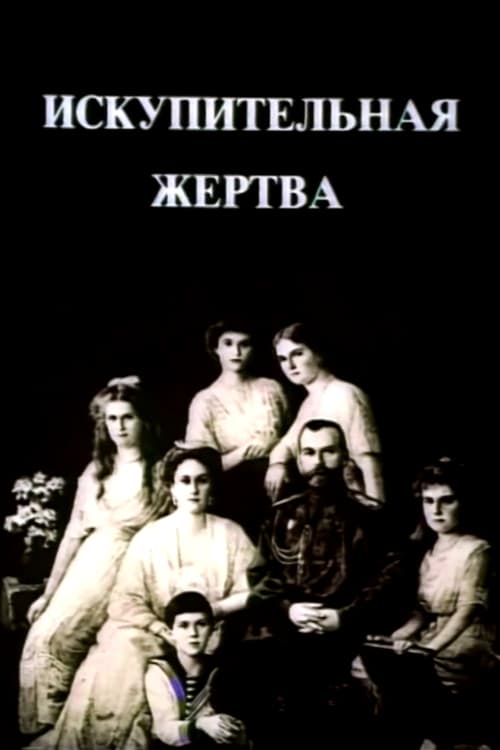











Popular
What events lead to the abdication of Tsar Nicholas II?
How does the relationship between Tsar Nicholas II and his family evolve throughout the film?
What role does Rasputin play in the story, and how does his presence affect the royal family?
How does the film portray the events of the Bolshevik Revolution and its impact on the Romanovs?
What is the significance of the family's final moments together in the film?
Should I watch it?
Ask Your Own Question

What is the plot?
Sorry, we aren't able to watch and write up a full detailed plot yet. Check back in a few days.



What is the ending?
In the ending of "The Last Days of the Last Tsar," the Romanov family faces their tragic fate as they are executed by Bolshevik soldiers. The film culminates in a tense and somber atmosphere, highlighting the family's final moments together before their deaths.
As the film progresses towards its conclusion, the Romanov family is held captive in a small house in Ekaterinburg. The tension is palpable as they await their uncertain fate, with the weight of their impending doom hanging heavily in the air. The family members, including Tsar Nicholas II, his wife Alexandra, and their children, display a mix of fear, resignation, and a desire to remain united in their final moments.
In the final scenes, the family is led into a basement under the pretense of a safe evacuation. The atmosphere is thick with dread as they enter the dimly lit room, where they are confronted by armed Bolshevik soldiers. The soldiers, cold and unyielding, order the family to stand against the wall. The Tsar, maintaining a sense of dignity, tries to reassure his family, but the reality of their situation becomes increasingly clear.
As the soldiers prepare to execute them, the family clings to one another, embodying a sense of unity and love amidst the chaos. The execution is brutal and swift, with gunfire echoing in the confined space. The film captures the horror of the moment, focusing on the emotional turmoil of the family as they face their end together.
In the aftermath, the soldiers dispose of the bodies, and the film closes with a haunting sense of loss, emphasizing the tragic end of the Romanov dynasty and the historical significance of their demise.
Expanded Narrative:
The final act of "The Last Days of the Last Tsar" unfolds in the dimly lit confines of a small house in Ekaterinburg, where the Romanov family is being held captive. The atmosphere is thick with tension, as the family members--Tsar Nicholas II, Empress Alexandra, and their children, Olga, Tatiana, Maria, Anastasia, and Alexei--grapple with the reality of their situation. They are aware that their lives hang by a thread, yet they cling to each other, seeking comfort in their familial bonds.
As the days pass, the family's hope for rescue dwindles. The film portrays their interactions filled with a mix of fear and determination. Nicholas, despite the dire circumstances, attempts to maintain a sense of normalcy for his children, encouraging them to stay strong. Alexandra, deeply devoted to her family, shows her unwavering support, while the children exhibit a range of emotions from fear to a desperate hope for survival.
The tension reaches its peak when the Bolshevik soldiers arrive to take the family to a supposed safe location. The family is led down to the basement, where the atmosphere shifts dramatically. The dim lighting casts long shadows, and the air is thick with an impending sense of doom. The soldiers, armed and menacing, order the family to stand against the wall. Nicholas, trying to project calm, reassures his family, but the fear in their eyes betrays the reality of their situation.
As the soldiers prepare for the execution, the family huddles together, their love and unity shining through the darkness. The moment is heart-wrenching; the camera captures the expressions of each family member--Nicholas's stoic resolve, Alexandra's quiet strength, and the children's innocent fear. They hold hands tightly, a final act of solidarity in the face of death.
The execution is sudden and brutal. Gunfire erupts, and the film does not shy away from the horror of the moment. The sound of bullets echoes in the confined space, and the camera lingers on the family's final moments, capturing their shock and despair. The scene is visceral, emphasizing the tragedy of their fate.
In the aftermath, the soldiers dispose of the bodies with a chilling indifference, a stark contrast to the love and warmth that once filled the Romanov household. The film closes with a haunting image of the family's demise, leaving the audience with a profound sense of loss and the weight of history. Each character's fate is sealed in that moment, marking the end of an era and the tragic conclusion of the Romanov dynasty.
Is there a post-credit scene?
The movie "The Last Days of the Last Tsar," produced in 1992, does not contain a post-credit scene. The film concludes its narrative without any additional scenes or content after the credits roll. The focus remains on the historical events surrounding the final days of Tsar Nicholas II and his family, emphasizing their tragic fate and the emotional weight of their last moments together. The film ends on a somber note, reflecting the gravity of the historical context rather than providing any further narrative or closure through a post-credit sequence.
What events lead to the abdication of Tsar Nicholas II?
The film portrays the mounting pressures on Tsar Nicholas II, including the disastrous outcomes of World War I, widespread civil unrest, and the influence of revolutionary movements. As the war drags on, the Russian army suffers heavy losses, leading to discontent among soldiers and civilians alike. The Tsar's decision to take personal command of the army further alienates him from the populace, culminating in his abdication in March 1917 amid growing protests and strikes.
How does the relationship between Tsar Nicholas II and his family evolve throughout the film?
The film delves into the intimate dynamics of the Romanov family, showcasing their close-knit bonds and the deep love they share. As the political situation deteriorates, the family's sense of security erodes. Tsarina Alexandra's protective instincts towards her children, especially the hemophiliac Alexei, create tension as they face increasing danger. The emotional weight of their impending fate becomes palpable, highlighting their struggle to maintain normalcy amidst chaos.
What role does Rasputin play in the story, and how does his presence affect the royal family?
Rasputin is depicted as a controversial figure whose influence over the Tsarina and the royal family grows throughout the film. His ability to alleviate Alexei's suffering from hemophilia earns him the family's trust, but his unorthodox methods and disreputable behavior lead to public scandal. The film illustrates how Rasputin's presence exacerbates the royal family's isolation and contributes to the growing animosity towards them, ultimately leading to his assassination.
How does the film portray the events of the Bolshevik Revolution and its impact on the Romanovs?
The film captures the chaotic atmosphere of the Bolshevik Revolution, illustrating the violent clashes between revolutionaries and loyalists. As the Bolsheviks gain power, the Romanovs are placed under house arrest, and their once opulent lifestyle is stripped away. The emotional turmoil of the family is palpable as they grapple with their loss of status and freedom, culminating in their tragic fate as they become symbols of a bygone era.
What is the significance of the family's final moments together in the film?
The film poignantly depicts the final moments of the Romanov family, emphasizing their unity and love despite the impending doom. As they face their execution, the family's emotional states range from fear to resignation, yet they find solace in each other's presence. The scene is imbued with a sense of tragic inevitability, highlighting their shared fate and the profound loss of a dynasty that once ruled Russia.
Is this family friendly?
The Last Days of the Last Tsar, produced in 1992, is a historical drama that delves into the final days of Tsar Nicholas II and his family. While it provides a poignant look at their lives, it contains several elements that may be objectionable or upsetting for children or sensitive viewers.
-
Violence and Execution: The film depicts the violent overthrow of the Romanov family, including scenes that portray the tension and fear surrounding their eventual execution. This may be distressing for younger audiences.
-
Historical Context of War and Revolution: The backdrop of the Russian Revolution includes themes of civil unrest, betrayal, and the harsh realities of war, which can be unsettling.
-
Emotional Distress: The film explores deep emotional themes such as despair, loss, and the struggle for survival, particularly as the family faces their impending doom. The portrayal of their emotional states can be heavy and intense.
-
Depictions of Imprisonment: The Romanov family is shown in captivity, experiencing fear and uncertainty, which may be distressing for viewers sensitive to themes of confinement and helplessness.
-
Death and Mourning: The film addresses themes of death and mourning, particularly in relation to the fate of the family, which may be upsetting for younger viewers.
Overall, while the film is a significant historical narrative, its mature themes and emotional weight may not be suitable for all audiences, particularly children.








