













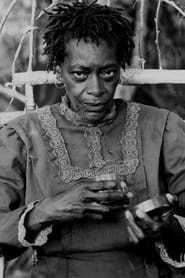














Popular
What challenges does Tina Turner face in her early life before becoming a singer?
How does Tina Turner's relationship with Ike Turner evolve throughout the film?
What pivotal moment leads Tina Turner to leave Ike?
How does Tina Turner's relationship with her children affect her decisions throughout the film?
What role does music play in Tina Turner's journey to empowerment?
Should I watch it?
Ask Your Own Question

What is the plot?
Sorry, we aren't able to watch and write up a full detailed plot yet. Check back in a few days.


What is the ending?
In the ending of "What's Love Got to Do with It," Tina Turner, having endured years of abuse from her husband Ike, finally finds the strength to leave him for good. After a tumultuous confrontation, she emerges victorious, reclaiming her identity and independence. The film concludes with Tina performing on stage, showcasing her resilience and talent, symbolizing her triumph over adversity.
As the film approaches its conclusion, we see Tina Turner, portrayed by Angela Bassett, at a pivotal moment in her life. The tension has been building throughout the narrative, showcasing the tumultuous relationship between Tina and her husband, Ike Turner, played by Laurence Fishburne.
Scene by scene, the climax unfolds. After years of emotional and physical abuse, Tina reaches a breaking point. In a powerful confrontation, she stands up to Ike, who has been controlling and violent throughout their marriage. The scene is charged with emotion as Tina, filled with a mix of fear and determination, confronts Ike about his abusive behavior. The atmosphere is thick with tension, and the audience can feel the weight of her struggle for freedom.
In a pivotal moment, Tina decides to leave Ike. She gathers her belongings and, with a fierce resolve, walks out of their home. This act of defiance is monumental; it signifies her reclaiming her power and identity. The scene is visually striking, with Tina stepping out into the light, symbolizing her emergence from the darkness of her past.
As she leaves, Ike is furious, and the audience witnesses the chaos that ensues. He tries to manipulate her into staying, but Tina is resolute. The emotional turmoil is palpable as she drives away, tears streaming down her face, but there is also a sense of liberation. This moment marks a significant turning point in her life.
The narrative then shifts to Tina's journey as a solo artist. She faces numerous challenges, including financial struggles and the need to rebuild her career. However, her determination shines through. In a series of scenes, we see her rehearsing, performing, and gradually gaining recognition as a powerful performer. The audience is treated to glimpses of her resilience and talent, culminating in her triumphant return to the stage.
The film concludes with a powerful performance by Tina, where she captivates the audience with her music. The stage is vibrant, filled with lights and energy, reflecting her newfound strength. As she sings, the camera captures her joy and empowerment, showcasing her transformation from a victim to a celebrated artist.
In the final moments, we see Tina's journey come full circle. She has not only escaped the clutches of her abusive marriage but has also found her voice and purpose. The film ends on a high note, with Tina standing confidently on stage, embodying the spirit of resilience and triumph over adversity.
As for the fates of the main characters, Tina emerges victorious, having reclaimed her life and career. Ike, on the other hand, is left behind, a shadow of his former self, struggling with the consequences of his actions. The film closes with a sense of hope and empowerment, emphasizing the strength of the human spirit in the face of adversity.
Is there a post-credit scene?
The movie "What's Love Got to Do with It," produced in 1993, does not have a post-credit scene. The film concludes with a powerful and emotional ending that encapsulates the life and struggles of Tina Turner, portrayed by Angela Bassett, and her tumultuous relationship with Ike Turner, played by Laurence Fishburne. The focus remains on the narrative of Tina's journey from hardship to empowerment, and the credits roll without any additional scenes or content following them.
What challenges does Tina Turner face in her early life before becoming a singer?
Tina Turner, born Anna Mae Bullock, faces numerous challenges in her early life, including a tumultuous childhood marked by her parents' separation and her mother's abandonment. She grows up in Nutbush, Tennessee, where she experiences poverty and instability. As a teenager, she struggles with her identity and self-worth, feeling overshadowed by her mother's absence and the harsh realities of her environment.
How does Tina Turner's relationship with Ike Turner evolve throughout the film?
Tina's relationship with Ike Turner begins with excitement and passion as he recognizes her talent and brings her into the music scene. However, as their professional relationship grows, so does the personal turmoil. Ike's controlling and abusive behavior escalates, leading to a toxic dynamic where Tina feels trapped. Despite her love for music and Ike's initial support, the emotional and physical abuse she endures becomes a central conflict, ultimately pushing her to seek independence.
What pivotal moment leads Tina Turner to leave Ike?
The pivotal moment that leads Tina to leave Ike occurs during a violent confrontation in a hotel room. After a particularly brutal episode of abuse, Tina realizes that she can no longer endure the pain and control Ike exerts over her life. In a moment of desperation and determination, she escapes from Ike, running to a nearby hotel where she seeks refuge and begins to reclaim her life and identity.
How does Tina Turner's relationship with her children affect her decisions throughout the film?
Tina's relationship with her children deeply influences her decisions throughout the film. She struggles with the guilt of being a working mother and the impact of her tumultuous relationship with Ike on her family. Her desire to provide a better life for her children motivates her to pursue her career, but it also complicates her choices, especially when it comes to leaving Ike. Ultimately, her love for her children drives her to seek freedom and stability, even at great personal cost.
What role does music play in Tina Turner's journey to empowerment?
Music serves as both a refuge and a source of empowerment for Tina Turner throughout her journey. It is through music that she finds her voice and strength, allowing her to express her pain and resilience. As she rises to fame, music becomes a means of liberation, helping her to reclaim her identity and assert her independence from Ike. The transformative power of her performances not only captivates audiences but also symbolizes her personal triumph over adversity.
Is this family friendly?
The movie "What's Love Got to Do with It," produced in 1993, is based on the life of Tina Turner and contains several scenes and themes that may not be suitable for children or sensitive viewers. Here are some potentially objectionable or upsetting aspects:
-
Domestic Violence: The film depicts instances of physical and emotional abuse in Tina Turner's relationship with her husband, Ike Turner. These scenes are intense and may be distressing.
-
Substance Abuse: There are references to drug and alcohol use, particularly in relation to the struggles faced by the characters.
-
Sexual Content: The film includes scenes that imply sexual situations and relationships that may not be appropriate for younger audiences.
-
Emotional Turmoil: The characters experience significant emotional pain, including betrayal, heartbreak, and struggles for self-identity, which may be heavy for sensitive viewers.
-
Racial and Social Issues: The film addresses themes of racism and sexism, which may be challenging for younger viewers to understand fully.
Overall, while the film is a powerful biographical drama, its mature themes and content may not be suitable for all audiences, particularly children.








