



















Popular
What motivates Cinderella to attend the royal ball despite her stepmother's objections?
What is the significance of the glass slipper in Cinderella's story?
How does the Fairy Godmother help Cinderella prepare for the ball?
How do Cinderella's stepsisters react when they try on the glass slipper?
What role does the animal sidekicks play in Cinderella's journey?
Should I watch it?
Ask Your Own Question

What is the plot?
Sorry, we aren't able to watch and write up a full detailed plot yet. Check back in a few days.


What is the ending?
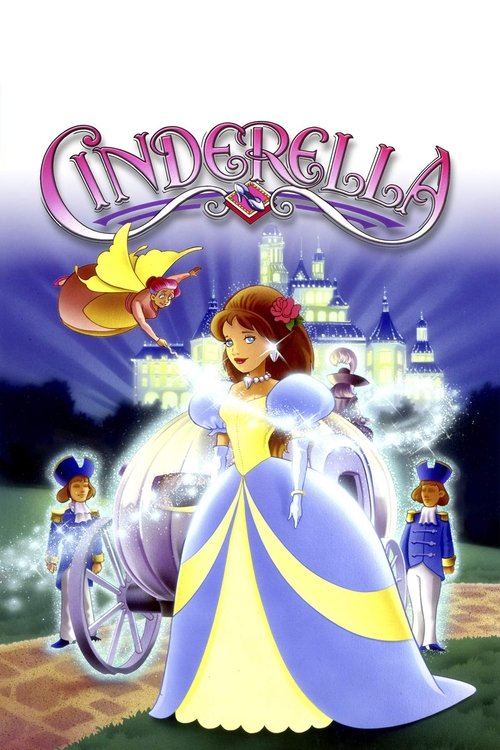
In the ending of the 1994 movie "Cinderella," Cinderella and Prince Henry finally reunite after a series of misunderstandings. The glass slipper fits Cinderella perfectly, proving her identity. They share a heartfelt moment, and the film concludes with their wedding, symbolizing love triumphing over adversity.
As the story unfolds towards its conclusion, the atmosphere is charged with anticipation and emotion. The scene begins in the grand palace, where Prince Henry is determined to find the owner of the glass slipper. He is filled with hope and excitement, believing that the mysterious girl he danced with at the ball is the one he wishes to marry. Meanwhile, Cinderella, having returned home after the ball, is in a state of despair. Her stepmother, Lady Tremaine, has locked her away, determined to prevent her from revealing her identity.
In a pivotal moment, the royal guards arrive at Cinderella's home, searching for the girl who fits the slipper. Lady Tremaine, sensing the impending revelation, tries to thwart Cinderella's chance at happiness. However, with the help of her loyal animal friends, Cinderella manages to escape her confines. As she rushes to the palace, her heart races with hope and fear, knowing that this could be her only chance to reclaim her dreams.
At the palace, the atmosphere is electric. The Prince is surrounded by courtiers, but his focus is solely on the slipper. One by one, the eligible maidens try on the glass slipper, but none fit. The tension builds as Cinderella arrives just in time, breathless and radiant. She steps forward, and with a mix of trepidation and hope, she slips her foot into the glass slipper. It fits perfectly, confirming her identity as the enchanting girl from the ball.
The moment is filled with joy and disbelief. Prince Henry, overwhelmed with emotion, takes Cinderella's hand, and they share a tender gaze that speaks volumes of their connection. The crowd around them erupts in cheers, celebrating the union of the two lovers. Lady Tremaine, witnessing the turn of events, is filled with rage and disbelief, her plans thwarted.
As the story reaches its climax, Cinderella and Prince Henry are united in a beautiful wedding ceremony. The setting is adorned with flowers and light, symbolizing hope and new beginnings. The couple exchanges vows, surrounded by friends and family, including Cinderella's loyal animal companions who have supported her throughout her journey. Their love is a testament to resilience and the power of believing in oneself.
In the final moments, the camera captures the joy on Cinderella's face as she looks at Prince Henry, her heart full of love and gratitude. The film closes with a sweeping view of the palace, now a symbol of their love and the triumph of good over evil. Each character finds their fate: Cinderella steps into her new life as a beloved princess, Prince Henry embraces his role as a caring husband, and Lady Tremaine is left to face the consequences of her actions, isolated and bitter.
The ending of "Cinderella" encapsulates the themes of love, perseverance, and the belief that dreams can come true, no matter the obstacles faced along the way.
Is there a post-credit scene?
The 1994 version of Cinderella, which is a made-for-television film, does not have a post-credit scene. The film concludes with the resolution of Cinderella's story, where she marries Prince Henry, and the narrative wraps up with a sense of happiness and fulfillment. The focus remains on the fairy tale's classic ending, celebrating love and the triumph of good over evil, without any additional scenes after the credits.
What motivates Cinderella to attend the royal ball despite her stepmother's objections?
Cinderella is driven by a deep longing for freedom and a desire to escape her oppressive life with her stepmother and stepsisters. The invitation to the royal ball represents a glimmer of hope and the possibility of a better future. Her internal struggle is palpable as she dreams of attending the ball, feeling both excitement and despair at the thought of being denied this opportunity.
What is the significance of the glass slipper in Cinderella's story?
The glass slipper serves as a crucial plot device that symbolizes Cinderella's unique identity and the connection between her and the Prince. It is the only item that can identify her after she flees the ball, representing both her individuality and the love that transcends her social status. The moment when the Prince searches for the owner of the slipper is filled with tension and anticipation, highlighting the themes of recognition and belonging.
How does the Fairy Godmother help Cinderella prepare for the ball?
The Fairy Godmother appears at a moment of desperation for Cinderella, who is heartbroken over being unable to attend the ball. With a wave of her wand, she transforms Cinderella's rags into a beautiful gown and her worn shoes into sparkling glass slippers. The transformation is magical and visually stunning, filled with shimmering lights and enchanting music, symbolizing Cinderella's transition from a life of servitude to one of potential and hope.
How do Cinderella's stepsisters react when they try on the glass slipper?
When the stepsisters attempt to fit their feet into the glass slipper, their desperation and entitlement are evident. They contort their feet and try various tricks to make the slipper fit, showcasing their jealousy and determination to win the Prince's affection. Their reactions are comically exaggerated, filled with frustration and disbelief, which contrasts sharply with Cinderella's calm and hopeful demeanor when it is finally her turn to try on the slipper.
What role does the animal sidekicks play in Cinderella's journey?
Cinderella's animal friends, particularly the mice and birds, play a vital role in her life, providing companionship and support. They assist her in various tasks, such as helping to create her ball gown and comforting her during moments of sadness. Their loyalty and teamwork highlight the theme of friendship and the importance of community, as they work together to help Cinderella achieve her dreams, showcasing their own emotional investment in her happiness.
Is this family friendly?
The 1994 version of Cinderella, produced for television, is generally considered family-friendly, but there are a few scenes and aspects that might be potentially objectionable or upsetting for children or sensitive viewers:
-
Emotional Abuse: Cinderella faces emotional mistreatment from her stepmother and stepsisters, who belittle her and force her to do all the household chores. This dynamic may be distressing for some viewers.
-
Isolation and Loneliness: Cinderella's feelings of isolation and sadness are prominent throughout the film, as she is often left alone and treated poorly by her family. This theme may resonate deeply with sensitive viewers.
-
Conflict and Tension: There are moments of conflict, particularly between Cinderella and her stepfamily, which may create tension. The stepmother's harshness can be unsettling.
-
Transformation Scene: The magical transformation scene, while visually enchanting, may be intense for some children, as it involves a dramatic change in Cinderella's appearance and circumstances.
-
Loss of Control: Cinderella's lack of agency in her life and her struggles to assert herself may evoke feelings of frustration or sadness.
Overall, while the film conveys themes of hope, kindness, and resilience, these elements may require parental guidance for younger or more sensitive viewers.







