
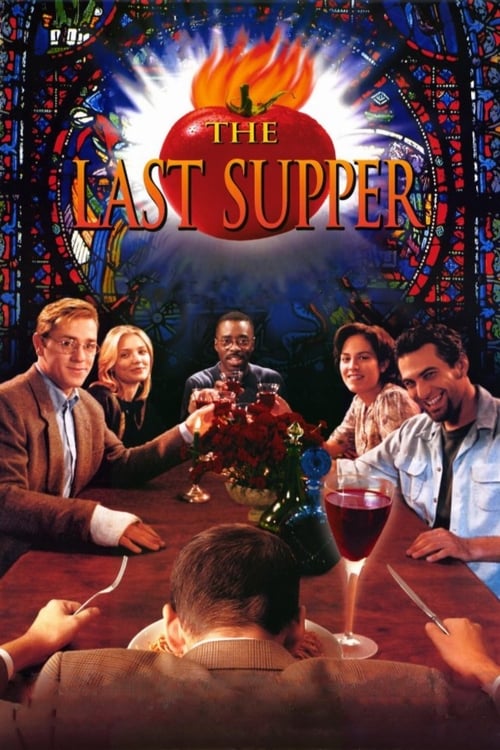



















Popular
What internal conflicts do the characters face throughout the film?
What motivates the characters to start hosting the dinners in The Last Supper?
How do the characters decide who to invite to their dinners?
What is the significance of the character Luke in the story?
How does the group handle the aftermath of their first murder?
Should I watch it?
Ask Your Own Question

What is the plot?
Sorry, we aren't able to watch and write up a full detailed plot yet. Check back in a few days.






What is the ending?
In the ending of "The Last Supper," the group of liberal friends, after a series of moral dilemmas and confrontations, ultimately faces the consequences of their actions. The film culminates in a tense confrontation where the group decides to eliminate a right-wing guest who poses a threat to their ideals. The final scene reveals the aftermath of their choices, leading to a shocking twist that leaves the audience questioning the morality of their decisions.
As the film approaches its conclusion, the atmosphere in the house grows increasingly tense. The group, consisting of five friends--Luke, Paul, Jude, and the women, who have been grappling with their moral compass throughout the film--find themselves at a critical juncture. They have already killed a few individuals who they deemed dangerous to their liberal beliefs, justifying their actions as a means to protect their values.
In the penultimate scene, they invite a new guest, a right-wing political figure named "The Man," to their dinner table. The group is initially excited about the opportunity to engage in a debate, but as the dinner progresses, it becomes clear that The Man is not only provocative but also dangerously charismatic. He challenges their beliefs and exposes the hypocrisy in their actions, causing tension to rise among the friends.
As the conversation escalates, The Man's views become increasingly extreme, and he begins to threaten the safety of the group. The friends, feeling cornered and desperate, decide that they cannot allow him to leave alive. They have crossed a line before, but this time, the stakes feel higher. The group collectively agrees to take action, and they prepare to kill him, believing it to be a necessary evil to protect their ideals.
In a chilling climax, they execute their plan, and The Man is killed. The scene is fraught with emotional turmoil as the friends grapple with the reality of their actions. They have become what they initially sought to oppose, and the weight of their decision hangs heavily in the air. The camera captures their faces, revealing a mix of relief, horror, and disbelief at what they have done.
The final moments of the film reveal the aftermath of their choices. The friends sit around the table, now stained with blood, reflecting on their actions. They are left to confront the moral implications of their decisions, and the once-clear lines between right and wrong have blurred. The film ends with a haunting image of the group, now irrevocably changed, as they realize that their quest for justice has led them down a dark path.
In the closing scene, the audience is left with a sense of unease as the friends' fates are uncertain. They have become entangled in a cycle of violence and moral ambiguity, and the film leaves viewers questioning the true cost of their convictions. The characters, once united by their ideals, now face the consequences of their choices, and the film closes on a note of chilling ambiguity, emphasizing the complexity of morality in a divided world.
Is there a post-credit scene?
The movie "The Last Supper," produced in 1995, does not have a post-credit scene. The film concludes with its final moments, leaving the audience to reflect on the moral complexities and the dark themes presented throughout the story. The narrative wraps up without any additional scenes or content after the credits roll, focusing instead on the implications of the characters' actions and the philosophical questions raised during the film.
What internal conflicts do the characters face throughout the film?
The characters grapple with their moral compasses as they transition from idealistic discussions to committing murder. Each member of the group experiences varying degrees of guilt, justification, and internal struggle. Some, like the character of Jude, become increasingly disturbed by their actions, while others, like the character of Paul, become more emboldened and detached from the moral implications of their choices.
What motivates the characters to start hosting the dinners in The Last Supper?
The characters, a group of liberal graduate students, are motivated by their frustration with the increasing conservatism and intolerance they perceive in society. They decide to host dinners where they invite conservative guests, hoping to engage them in discussions and challenge their views. However, as the dinners progress, their motivations shift from dialogue to a more sinister approach as they begin to see their guests as threats.
How do the characters decide who to invite to their dinners?
The group selects their dinner guests based on their political beliefs and attitudes. They specifically look for individuals who hold extreme conservative views, believing that engaging with them will allow for meaningful debate. However, as the story unfolds, their criteria become more about finding individuals they deem morally reprehensible, leading to increasingly dangerous outcomes.
What is the significance of the character Luke in the story?
Luke is a pivotal character who embodies the conflict between the group's original intentions and their descent into moral ambiguity. Initially, he is portrayed as a charming and persuasive conservative guest, but as the plot progresses, he becomes a target for the group's darker impulses. His presence challenges the group's dynamics and ultimately forces them to confront the consequences of their actions.
How does the group handle the aftermath of their first murder?
After the group accidentally kills their first conservative guest, they experience a mix of shock, guilt, and exhilaration. They rationalize their actions as a necessary evil, believing they have rid the world of a dangerous individual. This event marks a turning point for the group, as they begin to embrace a more nihilistic view, leading them to plan further killings under the guise of their dinner parties.
Is this family friendly?
"The Last Supper," produced in 1995, is not considered family-friendly due to its mature themes and content. Here are some potentially objectionable or upsetting aspects that may affect children or sensitive viewers:
-
Violence: The film contains scenes of violence, including discussions and depictions of murder, which may be disturbing.
-
Death and Morality: The central theme revolves around the moral implications of killing, which can be heavy and unsettling for younger audiences.
-
Dark Humor: The film employs dark humor that may not be appropriate for children and could be upsetting to some viewers.
-
Political Commentary: The film critiques various political ideologies, which may be complex and confusing for younger viewers.
-
Strong Language: There are instances of profanity that may not be suitable for a younger audience.
-
Adult Situations: The film includes adult themes and situations that may be inappropriate for children.
Overall, the film's exploration of ethical dilemmas and its dark tone make it more suitable for mature audiences.








