




Popular
What role does the setting play in the development of the plot?
What are the key conflicts that drive the narrative forward?
What is the relationship between the main characters, Paul and Anna?
How does the character of the mysterious woman impact the story?
How does Paul’s character evolve throughout the film?
Should I watch it?
Ask Your Own Question

What is the plot?
Sorry, we aren't able to watch and write up a full detailed plot yet. Check back in a few days.
More Movies Like This
Browse All Movies →




What is the ending?
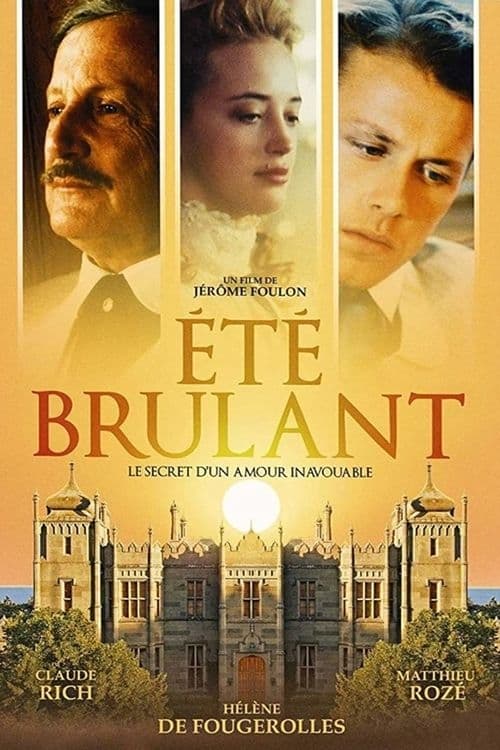
In the ending of "Été brûlant," the story culminates in a tragic confrontation that leads to the unraveling of relationships and the fates of the main characters. The film concludes with a sense of loss and unresolved tension, leaving the characters to grapple with the consequences of their actions.
As the film approaches its climax, we find ourselves in a tense atmosphere filled with emotional turmoil. The protagonist, a young man named Paul, is deeply entangled in a love triangle with two women: the passionate and free-spirited Anna and the more reserved and introspective Léa. The summer heat mirrors the escalating emotions and conflicts among them.
In the final scenes, Paul is faced with the repercussions of his choices. He has been torn between his feelings for Anna, who represents a wild and liberating force in his life, and Léa, who embodies stability and depth. The tension reaches a boiling point when Paul confronts Anna about their relationship. Their conversation is charged with unspoken feelings and regrets, as Anna expresses her desire for freedom while Paul struggles with his attachment to her.
Simultaneously, Léa is grappling with her own feelings of betrayal and heartbreak. She has been aware of the connection between Paul and Anna, and her emotional state is fraught with pain and confusion. In a pivotal moment, Léa confronts Paul, demanding clarity about his feelings and intentions. The confrontation is raw and emotional, revealing the depth of their bond and the hurt that has been inflicted.
As the summer sun sets, casting a golden hue over the landscape, the characters are forced to confront the reality of their situation. Paul realizes that he cannot have both women in his life without causing irreparable damage. In a moment of desperation, he makes a choice that leads to a tragic outcome, resulting in a confrontation that leaves Anna and Léa devastated.
The film concludes with Paul standing alone, reflecting on the choices he has made and the pain he has caused. The once vibrant summer has turned into a season of loss, and the characters are left to navigate the aftermath of their decisions. Anna and Léa, both heartbroken, must now find a way to move forward without Paul, who is left to grapple with the weight of his actions.
In the end, the fates of the main characters are intertwined with the themes of love, betrayal, and the consequences of desire. Paul is left isolated, Anna is heartbroken and searching for her own path, and Léa is left to pick up the pieces of her shattered trust. The film closes on a poignant note, emphasizing the complexity of human relationships and the emotional scars that linger long after the summer has ended.
Is there a post-credit scene?
The movie "Été brûlant," produced in 1995, does not feature a post-credit scene. The film concludes its narrative without any additional scenes after the credits roll. The story wraps up with the emotional and dramatic arcs of the characters fully realized, leaving the audience to reflect on the intense relationships and the consequences of their actions throughout the film. The absence of a post-credit scene aligns with the film's focus on the complexities of love, betrayal, and the passage of time, emphasizing the weight of the characters' experiences rather than setting up for a sequel or additional content.
What role does the setting play in the development of the plot?
The setting, primarily in a sun-drenched coastal town, serves as a backdrop that enhances the film's emotional intensity. The heat of the summer symbolizes the rising tensions between characters, while the picturesque yet isolating environment reflects their internal struggles. The contrast between the beauty of the landscape and the turmoil within the characters amplifies the sense of urgency and desire that permeates the story.
What are the key conflicts that drive the narrative forward?
The key conflicts in 'Été brûlant' revolve around love, betrayal, and the quest for identity. The tension between Paul and Anna is exacerbated by external temptations and their own insecurities. Additionally, the arrival of the mysterious woman introduces a love triangle that complicates their relationship further. These conflicts create a sense of urgency and emotional depth, propelling the characters toward critical decisions that shape their futures.
What is the relationship between the main characters, Paul and Anna?
Paul and Anna share a complex and intense relationship that evolves throughout the film. Initially, they are deeply in love, but their bond is tested by external circumstances and personal insecurities. Paul is portrayed as passionate yet troubled, while Anna embodies a sense of longing and desire for freedom. Their interactions are filled with emotional highs and lows, reflecting their struggles with fidelity and trust.
How does the character of the mysterious woman impact the story?
The mysterious woman, who becomes a pivotal figure in the narrative, represents temptation and the allure of the unknown. Her presence disrupts the established dynamics between Paul and Anna, leading to moments of jealousy and introspection. She embodies the desires that both characters grapple with, ultimately forcing them to confront their own feelings and the fragility of their relationship.
How does Paul’s character evolve throughout the film?
Paul's character undergoes significant transformation as he grapples with his emotions and the consequences of his actions. Initially portrayed as passionate and impulsive, he becomes increasingly introspective as the story unfolds. His encounters with Anna and the mysterious woman force him to confront his fears of commitment and vulnerability, leading to moments of self-discovery and regret.
Is this family friendly?
"ÉtÉ brûlant," directed by Philippe Garrel, is not considered family-friendly due to its mature themes and content. The film explores complex emotional relationships and features several potentially objectionable elements, including:
-
Sexual Content: The film contains explicit sexual scenes that may be inappropriate for children and could be upsetting for sensitive viewers.
-
Infidelity: Themes of betrayal and infidelity are central to the narrative, which may be distressing for some audiences.
-
Emotional Turmoil: Characters experience intense emotional struggles, including jealousy, heartbreak, and existential crises, which could be heavy for younger viewers.
-
Substance Use: There are instances of drug use depicted in the film, which may not be suitable for all audiences.
-
Nudity: The film includes scenes with nudity that contribute to its adult themes.
Overall, the film delves into the complexities of adult relationships and personal crises, making it more appropriate for mature audiences.








