












Popular
What is the significance of the painting that the main character, Harry Donovan, is trying to replicate?
How does Harry Donovan's relationship with the character of Claire evolve throughout the film?
What motivates the antagonist, the art thief, to pursue Harry Donovan?
How does the character of Harry Donovan deal with the pressure of being mistaken for someone else?
What role does the setting of the art world play in shaping the characters' actions and motivations?
Should I watch it?
Ask Your Own Question

What is the plot?
Sorry, we aren't able to watch and write up a full detailed plot yet. Check back in a few days.
What is the ending?
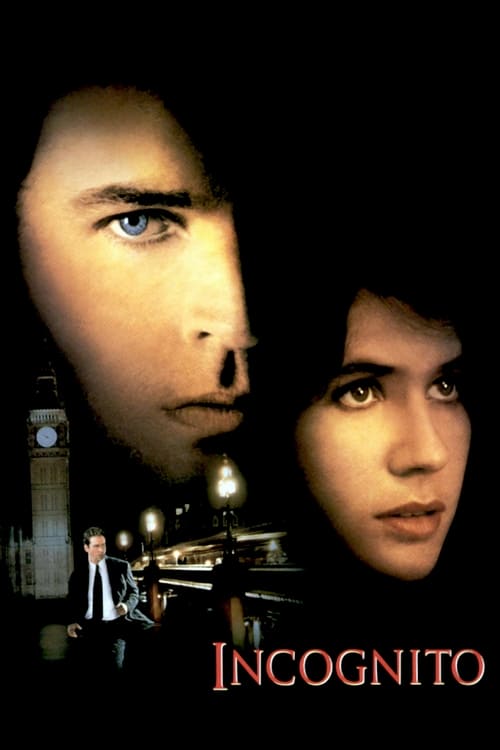
In the ending of "Incognito," the protagonist, a forger named Harry Donovan, finds himself in a tense confrontation with the antagonist, a criminal named Rocco. After a series of twists and betrayals, Harry manages to outsmart Rocco, leading to a climactic showdown. Ultimately, Harry escapes with his life, but not without significant emotional and physical scars. The film concludes with Harry reflecting on his choices and the cost of his actions.
Now, let's delve into the ending in a more detailed narrative fashion.
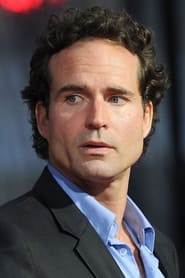
As the final act unfolds, Harry Donovan, played by Jason Patric, is cornered in a dimly lit warehouse, the air thick with tension. The flickering fluorescent lights cast eerie shadows on the walls, mirroring the turmoil within Harry. He is desperate, having been betrayed by those he thought he could trust, including his mentor, who has been revealed to be in league with the criminal underworld.
In this moment of despair, Harry clutches a gun, his hands trembling not just from fear but from the weight of his choices. He recalls the thrill of forging masterpieces, the adrenaline rush of deception, but now, that same thrill has turned into a nightmare. The stakes are higher than ever, and he knows that his life hangs in the balance.
Rocco, the menacing figure played by John Lone, enters the scene with a smug confidence, flanked by his henchmen. The warehouse is filled with the sound of dripping water, a stark reminder of the isolation and danger surrounding Harry. Rocco taunts him, reveling in the power he holds over Harry, who is now a mere pawn in a game of life and death. The tension escalates as Rocco reveals his plan to eliminate Harry, ensuring that no one can challenge his authority in the criminal world.
In a moment of clarity, Harry realizes that he must outsmart Rocco to survive. He recalls the skills he honed as a forger, using deception as his greatest weapon. As Rocco approaches, Harry feigns submission, lowering his weapon and appearing vulnerable. This moment of apparent weakness is a ruse; Harry's mind races as he formulates a plan.
With a sudden burst of courage, Harry seizes the opportunity. He lunges forward, catching Rocco off guard. A struggle ensues, filled with visceral intensity as they grapple for control of the gun. The sound of their scuffle echoes through the empty warehouse, a cacophony of desperation and survival. In a pivotal moment, Harry manages to disarm Rocco, turning the tables on his would-be killer.
As Rocco lies on the ground, defeated, Harry stands over him, breathing heavily, the adrenaline coursing through his veins. The camera captures the conflict in Harry's eyes--relief mixed with the haunting realization of what he has become. He has survived, but at what cost? The weight of his actions hangs heavily on him, and he knows that the world he has navigated is fraught with danger and moral ambiguity.
In the aftermath, Harry escapes the warehouse, stepping into the cool night air. The city lights twinkle in the distance, a stark contrast to the darkness he has just emerged from. He is free, but the emotional scars of his journey remain. The film closes with Harry walking away, a man forever changed by his experiences, reflecting on the choices that led him to this moment.
As for the fates of the main characters, Harry Donovan survives but is left to grapple with the consequences of his actions and the life he has chosen. Rocco, on the other hand, is left defeated, a reminder of the dangers of the criminal world. The mentor figure, who betrayed Harry, faces the repercussions of his choices, leaving a trail of broken trust in his wake. The film concludes with a sense of ambiguity, highlighting the complexities of identity, trust, and the cost of deception.
Is there a post-credit scene?
The movie "Incognito," produced in 1997, does not have a post-credit scene. The film concludes without any additional scenes or content after the credits roll. The story wraps up with the resolution of the main plot, focusing on the protagonist's journey and the consequences of his actions throughout the film. The ending leaves the audience with a sense of closure regarding the character's fate and the overall narrative arc.
What is the significance of the painting that the main character, Harry Donovan, is trying to replicate?
The painting that Harry Donovan is trying to replicate is a crucial element of the plot, as it represents not only his artistic aspirations but also the deeper themes of identity and deception. The original painting, created by the famous artist, is a symbol of authenticity, while Harry's attempt to replicate it reflects his struggle with his own identity and the lengths he will go to in order to prove himself.
How does Harry Donovan's relationship with the character of Claire evolve throughout the film?
Harry Donovan's relationship with Claire begins as a professional one, rooted in their shared interest in art. As the story progresses, their bond deepens, revealing layers of trust and vulnerability. Claire becomes a confidante for Harry, and their emotional connection grows as they navigate the dangers surrounding the art world, ultimately leading to a romantic tension that complicates their partnership.
What motivates the antagonist, the art thief, to pursue Harry Donovan?
The antagonist, an art thief, is motivated by a combination of greed and a desire for revenge against the art world that he feels has wronged him. He sees Harry Donovan as both a rival and a target, believing that by manipulating Harry, he can achieve his own goals while also settling scores from his past. This creates a tense cat-and-mouse dynamic that drives much of the film's conflict.
How does the character of Harry Donovan deal with the pressure of being mistaken for someone else?
Harry Donovan grapples with the pressure of being mistaken for the original artist throughout the film. This identity crisis leads him to experience a range of emotions, from anxiety and fear to moments of exhilaration when he successfully navigates the art world. His internal struggle is marked by a desire to prove his worth as an artist while also fearing the consequences of being exposed as a fraud.
What role does the setting of the art world play in shaping the characters' actions and motivations?
The setting of the art world is integral to shaping the characters' actions and motivations in 'Incognito.' The glamorous yet treacherous environment of high-stakes art dealing creates a backdrop of intrigue and danger. Characters are often driven by ambition, jealousy, and the desire for recognition, which leads to complex interactions and conflicts. The art world serves as both a playground and a battleground for the characters, influencing their decisions and relationships.
Is this family friendly?
"Incognito," produced in 1997, is not considered family-friendly due to its mature themes and content. Here are some potentially objectionable or upsetting aspects that may occur for children or sensitive viewers:
-
Violence: The film contains scenes of gunfire and physical confrontations that may be intense or disturbing.
-
Murder: The plot involves themes of murder and assassination, which could be unsettling for younger audiences.
-
Adult Themes: There are elements of deception, betrayal, and crime that may be complex and inappropriate for children.
-
Language: The dialogue includes strong language that may not be suitable for younger viewers.
-
Emotional Turmoil: Characters experience significant emotional distress, including fear and anxiety, which could be upsetting.
These elements contribute to a tone that is more suited for adult audiences rather than children.







