
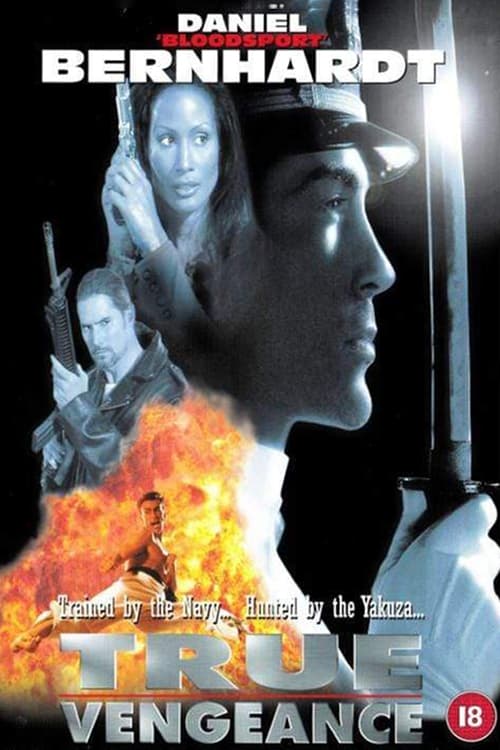









Popular
What motivates the main character, John, to seek vengeance throughout the film?
How does John’s relationship with his mentor influence his actions in the film?
What role does the antagonist play in John's quest for vengeance?
How does the film depict the consequences of John's actions on his personal life?
What significant turning point occurs when John confronts the crime syndicate?
Should I watch it?
Ask Your Own Question

What is the plot?
Sorry, we aren't able to watch and write up a full detailed plot yet. Check back in a few days.
What is the ending?
In the ending of "True Vengeance," the protagonist, a former cop named John, confronts the main antagonist, a drug lord named Victor. After a tense showdown, John manages to defeat Victor, avenging the death of his partner and reclaiming his sense of justice. The film concludes with John walking away from the chaos, reflecting on the cost of vengeance and the toll it has taken on him.
As the climax of "True Vengeance" unfolds, the scene shifts to a dimly lit warehouse, where John, fueled by a mix of rage and determination, prepares for the final confrontation with Victor. The atmosphere is thick with tension, the air heavy with the scent of gunpowder and the echoes of past violence. John's face is set in grim determination, his brow furrowed as he recalls the betrayal and loss that have driven him to this moment.
The camera follows John as he stealthily navigates through the shadows, his heart pounding in his chest. Each step is deliberate, a testament to his resolve. He remembers his partner, the bond they shared, and the promise he made to seek justice. This memory fuels his anger, igniting a fire within him that propels him forward.
As he approaches the main area of the warehouse, the scene shifts to Victor, who is surrounded by his henchmen, exuding confidence and arrogance. He is unaware of John's presence, laughing and boasting about his power and control over the city. The contrast between Victor's bravado and John's quiet intensity is palpable, setting the stage for an inevitable clash.
Suddenly, John bursts into the open, his weapon drawn. The atmosphere shifts dramatically as the henchmen scramble for their guns, but John is quick and precise. A fierce gunfight ensues, bullets flying and ricocheting off the walls, creating a cacophony of chaos. John's movements are fluid and calculated, showcasing his training and determination. Each shot he fires is not just an act of violence but a step closer to avenging his fallen partner.
As the dust settles, John finds himself face-to-face with Victor. The tension is electric, both men embodying the culmination of their respective journeys. Victor, cornered and desperate, tries to negotiate, but John's resolve is unyielding. The emotional weight of the moment hangs heavy in the air as John confronts Victor about the pain he has caused, the lives he has destroyed.
In a final act of vengeance, John overpowers Victor, delivering a decisive blow that symbolizes not just physical victory but the emotional release of years of pent-up grief and anger. Victor falls, defeated, and the camera lingers on John's face, capturing a mix of relief and sorrow. He has avenged his partner, but the cost of that vengeance is etched in the lines of his face.
As the film draws to a close, John walks away from the warehouse, the sounds of sirens approaching in the distance. He is a man changed, burdened by the weight of his actions. The final shot captures him silhouetted against the fading light, a lone figure grappling with the consequences of his quest for justice. The fate of John is left ambiguous; he has achieved his goal, but the emotional scars remain, hinting at a future filled with uncertainty.
In the aftermath, the fates of the other characters are revealed. Victor lies defeated, his empire crumbling, a stark reminder of the consequences of his choices. The henchmen, either captured or fleeing, symbolize the disintegration of Victor's power. John, while victorious, is left to navigate the complex emotions of loss and vengeance, suggesting that true peace may remain elusive despite his triumph. The film closes on this poignant note, leaving the audience to ponder the true cost of vengeance.
Is there a post-credit scene?
The movie "True Vengeance," produced in 1997, does not have a post-credit scene. The film concludes its narrative without any additional scenes or content after the credits roll. The story wraps up with the resolution of the main conflict, focusing on the protagonist's journey and emotional state, leaving no further developments or cliffhangers for the audience to ponder after the film ends.
What motivates the main character, John, to seek vengeance throughout the film?
John, portrayed by the lead actor, is driven by a deep sense of loss and betrayal after the brutal murder of his family. This personal tragedy fuels his relentless pursuit of justice against those responsible, showcasing his emotional turmoil and the internal conflict between his desire for revenge and the moral implications of his actions.
How does John’s relationship with his mentor influence his actions in the film?
John's relationship with his mentor is pivotal; the mentor serves as a guiding figure who instills in him the skills necessary for combat and survival. However, as the story progresses, the mentor's teachings clash with John's growing obsession for vengeance, leading to moments of tension where John must choose between the path of righteousness and the darker road of revenge.
What role does the antagonist play in John's quest for vengeance?
The antagonist, a ruthless crime lord, embodies the corruption and violence that John seeks to eradicate. Their confrontations are charged with tension, as the antagonist represents not only the physical threat to John but also the moral decay that John fights against. This dynamic escalates the stakes, pushing John further into his quest for retribution.
How does the film depict the consequences of John's actions on his personal life?
As John delves deeper into his quest for vengeance, the film poignantly illustrates the collateral damage of his choices. His relationships with friends and allies become strained, and he faces isolation as his obsession consumes him. The emotional weight of his actions is depicted through scenes of loss and regret, highlighting the personal sacrifices he makes in pursuit of revenge.
What significant turning point occurs when John confronts the crime syndicate?
The significant turning point occurs during a climactic confrontation with the crime syndicate, where John faces not only the physical threat of the gang but also the culmination of his emotional journey. This moment is charged with intensity, as John must confront his own motivations and the reality of his quest for vengeance, leading to a decisive battle that tests his resolve and moral compass.
Is this family friendly?
"True Vengeance," produced in 1997, is not considered family-friendly due to its content. The film contains several potentially objectionable or upsetting aspects, including:
-
Violence: The movie features intense action sequences, including hand-to-hand combat and gunfights, which may be graphic and disturbing for younger viewers.
-
Death and Injury: There are scenes depicting the aftermath of violence, including injuries and fatalities, which can be unsettling.
-
Themes of Revenge: The central theme revolves around revenge, which may not be suitable for children and could provoke discussions about morality and justice.
-
Emotional Turmoil: Characters experience significant emotional distress, including grief and anger, which may be intense for sensitive viewers.
-
Language: The film may contain strong language that could be inappropriate for younger audiences.
These elements contribute to a tone that is more suitable for mature audiences rather than children.







