





















Popular
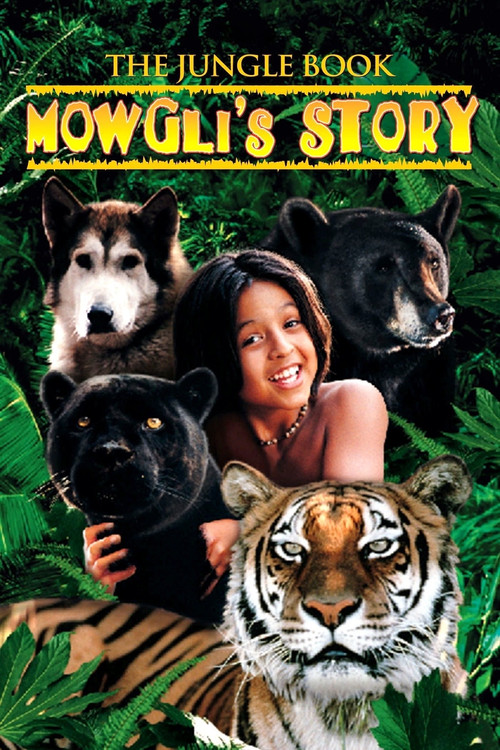
What motivates Mowgli to leave the jungle and seek out human civilization?
How does Shere Khan's character influence the events of the story?
What role does Baloo play in Mowgli's development throughout the film?
How does Bagheera's relationship with Mowgli evolve throughout the story?
What is the significance of the jungle setting in Mowgli's journey?
Should I watch it?
Ask Your Own Question

What is the plot?
Sorry, we aren't able to watch and write up a full detailed plot yet. Check back in a few days.




What is the ending?
In the ending of "The Jungle Book: Mowgli's Story," Mowgli decides to leave the jungle and live among humans after realizing he cannot fully belong to either the animal world or the human world. He bids farewell to his animal friends, including Baloo and Bagheera, who support his decision. Mowgli walks away from the jungle, embracing his new life, while the animals watch him go with a mix of sadness and pride.
As the story unfolds towards its conclusion, the tension builds as Mowgli grapples with his identity. The final scenes are set against the backdrop of the lush jungle, where Mowgli has grown and learned from his experiences. He has formed deep bonds with his animal friends, particularly Baloo, the carefree bear, and Bagheera, the wise panther.
In a poignant moment, Mowgli faces the reality of his dual existence. He stands at a crossroads, feeling the pull of both the jungle and the human village. The animals gather around him, sensing the weight of his decision. Baloo, with his laid-back demeanor, tries to lighten the mood, but there is an underlying sadness in his eyes. Bagheera, ever the protector, encourages Mowgli to follow his heart, knowing that the boy must find his own path.
As Mowgli prepares to leave, he shares heartfelt goodbyes with Baloo and Bagheera. Baloo expresses his love for Mowgli, reminding him that he will always be a part of the jungle, no matter where he goes. Bagheera, with a more serious tone, emphasizes the importance of Mowgli's journey and the strength he has gained from his time in the jungle.
Mowgli walks away, his silhouette framed by the vibrant jungle, symbolizing his transition from the wild to the human world. The animals watch him depart, their expressions a mix of pride and sorrow. Baloo and Bagheera exchange glances, understanding that Mowgli's choice is a necessary step for his growth.
As Mowgli approaches the edge of the jungle, he turns back one last time, taking in the beauty of the life he is leaving behind. The sounds of the jungle fill the air, a bittersweet reminder of the adventures and friendships he has forged. With a deep breath, he steps into the unknown, ready to embrace his new life among humans.
In the final moments, the camera pans back to the jungle, where Baloo and Bagheera remain, embodying the spirit of friendship and the bittersweet nature of letting go. The film closes with a sense of hope, as Mowgli embarks on a new chapter, forever changed by his experiences in the jungle.
Is there a post-credit scene?
The Jungle Book: Mowgli's Story, produced in 1998, does not have a post-credit scene. The film concludes with Mowgli's journey of self-discovery and his acceptance of both his human and animal identities, wrapping up the narrative without any additional scenes after the credits. The focus remains on Mowgli's emotional growth and his relationships with the jungle animals, particularly Baloo and Bagheera, as he learns to navigate the complexities of his dual heritage.
What motivates Mowgli to leave the jungle and seek out human civilization?
Mowgli's journey to leave the jungle is driven by his growing awareness of his identity and the desire to understand where he truly belongs. Throughout the film, he grapples with his dual nature as both a human and a creature of the jungle. His encounters with the wolves, Baloo, and Bagheera highlight his connection to the jungle, but the fear of Shere Khan and the realization that he is different from his animal friends push him to seek out human civilization for answers and acceptance.
How does Shere Khan's character influence the events of the story?
Shere Khan serves as the primary antagonist in Mowgli's journey, embodying the threat that looms over him as a human raised in the jungle. His fierce determination to hunt Mowgli creates a sense of urgency and danger, compelling Mowgli to confront his fears. Shere Khan's presence not only instills fear in Mowgli but also challenges the loyalty of the jungle animals, forcing them to choose sides and ultimately leading to a climactic confrontation that tests Mowgli's courage and resolve.
What role does Baloo play in Mowgli's development throughout the film?
Baloo acts as a mentor and protector for Mowgli, embodying the carefree spirit of the jungle. He teaches Mowgli about the joys of life in the wild, emphasizing the importance of friendship and fun. However, Baloo also represents a sense of security that Mowgli must eventually outgrow. As Mowgli faces the reality of his human heritage and the dangers posed by Shere Khan, Baloo's guidance helps him develop the confidence and skills necessary to navigate both the jungle and the human world.
How does Bagheera's relationship with Mowgli evolve throughout the story?
Bagheera, the panther, initially takes on a protective role, viewing Mowgli as a vulnerable child who needs guidance. He is often serious and focused on Mowgli's safety, contrasting with Baloo's playful nature. As the story progresses, Bagheera's relationship with Mowgli deepens; he becomes a father figure who encourages Mowgli to embrace his identity. Bagheera's unwavering support and wisdom help Mowgli realize his potential, ultimately leading to a mutual respect and understanding between them.
What is the significance of the jungle setting in Mowgli's journey?
The jungle serves as both a nurturing home and a perilous environment for Mowgli. It is a place of adventure, where he learns valuable life lessons from the animals around him. However, it also represents the challenges he must face, particularly with the looming threat of Shere Khan. The lush, vibrant landscapes contrast with the dangers that lurk within, symbolizing Mowgli's internal struggle between his animal instincts and his human nature. The jungle's beauty and danger shape Mowgli's character and ultimately influence his decision to seek out his human roots.
Is this family friendly?
The Jungle Book: Mowgli's Story (1998) is generally considered family-friendly, but it does contain some scenes that may be unsettling for younger viewers or sensitive individuals. Here are a few aspects to be aware of:
-
Predator-Prey Dynamics: The film features scenes of animals hunting and the natural dangers of the jungle, which may be intense for some children.
-
Conflict and Danger: Mowgli faces various threats from both animals and humans, leading to moments of tension and fear that could be distressing.
-
Emotional Struggles: Mowgli experiences feelings of loneliness, confusion about his identity, and the pain of separation from his wolf family, which may resonate deeply and evoke sadness.
-
Violence: There are instances of animal confrontations that may include growling, chasing, and fighting, which could be alarming for sensitive viewers.
-
Themes of Abandonment: The story touches on themes of being lost and the fear of not belonging, which might be upsetting for some children.
Overall, while the film is designed for a family audience, these elements may require parental guidance for younger viewers.







