




Popular
What is the relationship between Momoko and her sister?
How does Momoko's character evolve throughout the film?
What challenges does the younger sister face in the story?
How does the family dynamic impact the sisters' relationship?
What pivotal moment changes the course of the sisters' relationship?
Should I watch it?
Ask Your Own Question

What is the plot?
Sorry, we aren't able to watch and write up a full detailed plot yet. Check back in a few days.
More Movies Like This
Browse All Movies →






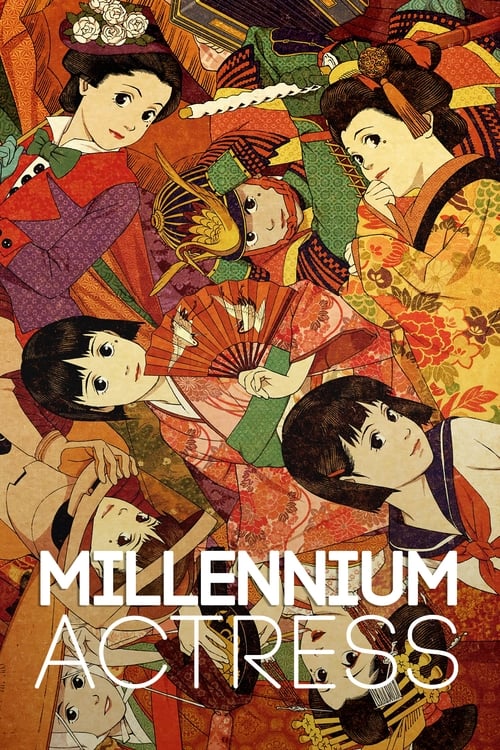
What is the ending?
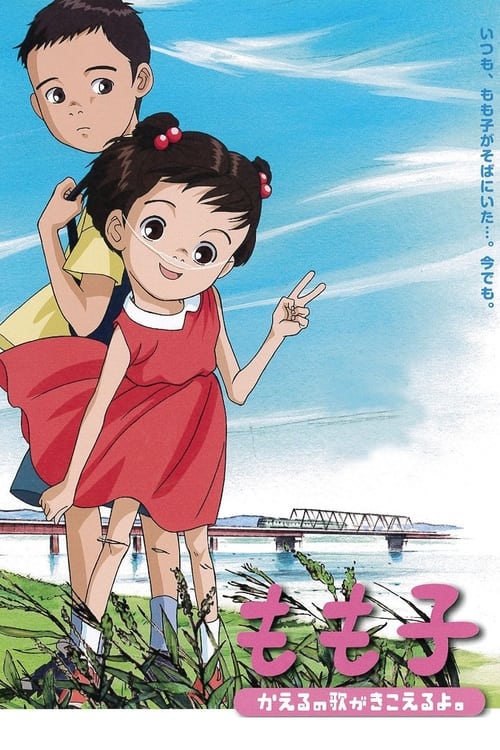
In the ending of "My Sister Momoko," the story culminates in a poignant reunion between the sisters, where they confront their past and the choices that have shaped their lives. Momoko, who has been struggling with her identity and the weight of family expectations, finds a sense of closure and understanding. The film concludes with a bittersweet resolution, as the sisters embrace, symbolizing forgiveness and the enduring bond of family.
As the final scenes unfold, we see Momoko standing alone in her room, surrounded by remnants of her childhood. The sunlight filters through the window, casting a warm glow that contrasts with the turmoil she feels inside. She reflects on her life choices, the pressure to conform to societal expectations, and the distance that has grown between her and her sister. The camera lingers on her face, capturing the conflict of emotions--regret, longing, and a flicker of hope.
The scene shifts to a park where the sisters had spent time together in their youth. Momoko arrives, her heart racing as she anticipates the meeting. The atmosphere is charged with unspoken words and unresolved feelings. As she waits, memories flood her mind--laughter, arguments, and the moments that defined their relationship.
Finally, her sister arrives, and the tension is palpable. They stand a few feet apart, hesitant, as if the years of separation have created an invisible barrier. The silence stretches, heavy with the weight of their shared history. Momoko takes a deep breath, summoning the courage to speak. She apologizes for the hurtful words exchanged in the past, acknowledging the pain they both have endured. Her sister, initially guarded, softens as she listens, her own eyes glistening with unshed tears.
In this moment of vulnerability, they begin to share their experiences since they last saw each other. Momoko reveals her struggles with self-acceptance and the pressure she felt to live up to family expectations. Her sister, in turn, opens up about her own challenges, the loneliness she faced, and the burden of being the "perfect" daughter. The conversation flows, and with each word, the distance between them begins to close.
As the sun sets, casting a golden hue over the park, they finally embrace. This moment is filled with emotion--years of hurt, misunderstanding, and love converge in a single gesture. They stand together, holding onto each other tightly, as if to say that despite everything, they are still sisters, bound by blood and shared memories.
The film concludes with a shot of the sisters walking away from the park, side by side, their silhouettes framed against the fading light. The camera pulls back, capturing their figures growing smaller as they move forward together, symbolizing a new beginning. The final scene fades to black, leaving the audience with a sense of hope and the understanding that while the past cannot be changed, the future holds the promise of healing and reconciliation.
Is there a post-credit scene?
In the movie "My Sister Momoko," there is no post-credit scene. The film concludes its narrative without any additional scenes after the credits roll. The story wraps up with a poignant resolution, focusing on the emotional journey of the characters, particularly the bond between the sisters and the impact of their experiences. The absence of a post-credit scene allows the audience to reflect on the themes of family, loss, and the complexities of relationships as the credits play.
What is the relationship between Momoko and her sister?
Momoko and her sister share a complex and deeply emotional bond. Momoko, the elder sister, often feels a sense of responsibility for her younger sister, who looks up to her. Their relationship is characterized by moments of tenderness and conflict, as they navigate the challenges of family dynamics and personal aspirations.
How does Momoko's character evolve throughout the film?
Momoko begins as a somewhat aloof and independent character, focused on her own life and ambitions. As the story progresses, she confronts her past and her responsibilities towards her sister, leading to significant personal growth. This evolution is marked by her increasing willingness to embrace vulnerability and connection.
What challenges does the younger sister face in the story?
The younger sister faces various challenges, including feelings of inadequacy and the pressure to live up to her sister's expectations. She struggles with her identity and seeks validation, which leads to moments of rebellion and emotional turmoil as she tries to carve out her own path.
How does the family dynamic impact the sisters' relationship?
The family dynamic is strained, with underlying tensions that affect the sisters' interactions. Their parents' expectations and the weight of familial obligations create a backdrop of conflict, forcing both sisters to confront their roles within the family and ultimately influencing their bond.
What pivotal moment changes the course of the sisters' relationship?
A pivotal moment occurs when a family crisis forces Momoko to reassess her priorities and the impact of her actions on her sister. This event acts as a catalyst for change, prompting both sisters to communicate more openly and confront their feelings, leading to a deeper understanding and reconciliation.
Is this family friendly?
"My Sister Momoko," produced in 2003, is a film that explores themes of family, loss, and the complexities of sibling relationships. While it is generally suitable for a family audience, there are a few aspects that may be considered objectionable or upsetting for children or sensitive viewers:
-
Themes of Loss and Grief: The film delves into the emotional struggles of the characters dealing with the loss of a family member, which may be heavy for younger viewers.
-
Family Conflict: There are scenes depicting tension and conflict within the family, which may be distressing for children who are sensitive to familial discord.
-
Emotional Turmoil: Characters experience significant emotional pain and moments of sadness, which could be overwhelming for some viewers.
-
Mature Conversations: The dialogue includes discussions about life, death, and personal struggles that may not be suitable for very young children.
-
Visual Representation of Grief: There are moments that visually represent the characters' grief, which may be intense or upsetting.
Overall, while the film carries important messages about love and understanding, its emotional depth and themes may require parental guidance for younger audiences.





