



















Popular
What role does Jeffrey Skilling play in the Enron scandal as depicted in the movie?
How does the character of Ken Lay influence the events at Enron?
What is the significance of the shredding of documents in the film?
How does the character of Sherron Watkins contribute to the narrative?
What impact does the character of Andrew Fastow have on the plot development?
Should I watch it?
Ask Your Own Question

What is the plot?
Sorry, we aren't able to watch and write up a full detailed plot yet. Check back in a few days.
More Movies Like This
Browse All Movies →



What is the ending?
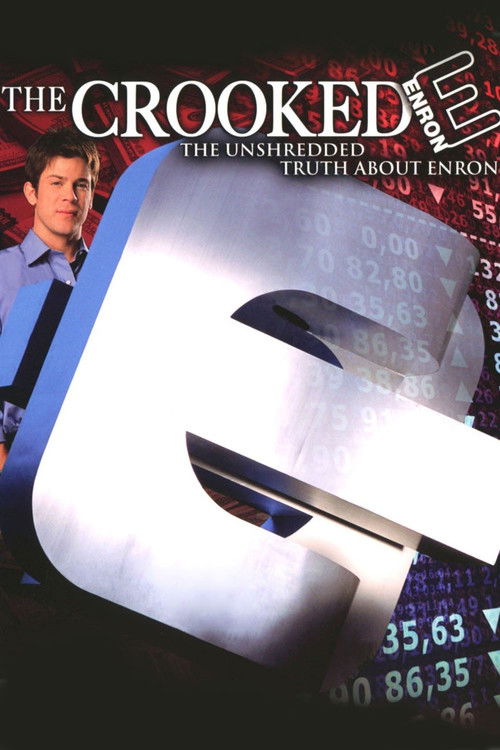
In the ending of "The Crooked E: The Unshredded Truth About Enron," the downfall of Enron culminates in a series of dramatic revelations and consequences for the key players involved. As the company faces bankruptcy, the executives grapple with the fallout of their actions, leading to legal repercussions and personal turmoil.
Expanding on this, the final scenes unfold with a palpable tension as the reality of Enron's collapse sets in. The camera captures the stark contrast between the opulent offices of Enron and the grim atmosphere that now envelops the company. Employees, once filled with pride, now walk the halls with a sense of dread and uncertainty. The once-bustling trading floors are eerily quiet, a haunting reminder of the empire that has crumbled.
As the news of Enron's bankruptcy breaks, we see the reactions of key characters. Kenneth Lay, the charismatic CEO, is portrayed with a mix of denial and desperation. He clings to the hope that the company can recover, but the weight of his decisions begins to crush him. His internal conflict is evident as he grapples with the reality of his legacy and the betrayal of trust from investors and employees alike.
Jeff Skilling, the former COO, is depicted in a state of panic. His bravado has evaporated, replaced by a frantic need to distance himself from the impending legal consequences. The camera lingers on his face, capturing the fear and regret that wash over him as he realizes the extent of the deception that has been uncovered. He is seen making frantic phone calls, trying to salvage his reputation, but the walls are closing in.
As the investigation into Enron's practices intensifies, the film highlights the emotional toll on the employees who have lost their jobs and savings. We see a montage of former workers, their faces etched with despair, as they recount their experiences. The camera focuses on one employee in particular, who reflects on the shattered dreams and the betrayal felt by those who believed in the company's vision.
In the final moments, the film shifts to the courtroom, where the key executives face the consequences of their actions. Lay and Skilling are shown in suits, looking defeated as they sit before a judge. The atmosphere is heavy with the weight of accountability. The audience can feel the tension in the air as the verdicts are read, and the reality of their fates begins to sink in.
Kenneth Lay is ultimately found guilty of fraud and conspiracy, but he passes away before serving any prison time, leaving a complex legacy of both ambition and failure. Jeff Skilling is sentenced to a lengthy prison term, a stark reminder of the consequences of corporate greed and deception. The film closes with a somber reflection on the impact of Enron's collapse, emphasizing the lives affected by the scandal and the moral lessons learned from the downfall of one of America's largest corporations.
The ending serves as a poignant reminder of the fragility of trust in business and the devastating effects of unchecked ambition, leaving the audience with a sense of closure on the tragic story of Enron and its key players.
Is there a post-credit scene?
The movie "The Crooked E: The Unshredded Truth About Enron" does not contain a post-credit scene. The film concludes its narrative without any additional scenes or content after the credits roll. The focus remains on the unfolding drama of the Enron scandal, highlighting the corporate greed and ethical failures that led to the company's downfall. The ending emphasizes the consequences faced by the characters involved, leaving the audience with a sense of the gravity of the situation rather than any additional narrative developments.
What role does Jeffrey Skilling play in the Enron scandal as depicted in the movie?
In 'The Crooked E: The Unshredded Truth About Enron', Jeffrey Skilling is portrayed as a key architect of Enron's deceptive practices. He is ambitious and charismatic, often pushing the boundaries of ethical business conduct. His internal motivations are driven by a desire for power and success, leading him to promote risky financial strategies and the use of complex accounting methods to inflate Enron's profits. As the story unfolds, his confidence turns into arrogance, ultimately contributing to the company's downfall.
How does the character of Ken Lay influence the events at Enron?
Ken Lay, depicted as the founder and CEO of Enron, is shown as a charismatic leader who initially embodies the company's vision of innovation and growth. However, as the scandal progresses, Lay's motivations shift from genuine belief in the company's potential to a desperate attempt to maintain his reputation and control over the situation. His internal conflict is palpable as he grapples with the consequences of the company's actions, ultimately leading to his downfall.
What is the significance of the shredding of documents in the film?
The shredding of documents is a pivotal moment in 'The Crooked E', symbolizing the lengths to which Enron executives would go to conceal their fraudulent activities. This act of destruction reflects the desperation and moral decay within the company. Characters involved in the shredding, such as Skilling and Lay, are depicted as increasingly paranoid and fearful of the repercussions of their actions, highlighting their internal struggles and the collapse of their ethical boundaries.
How does the character of Sherron Watkins contribute to the narrative?
Sherron Watkins, portrayed as a whistleblower within Enron, plays a crucial role in the narrative by exposing the company's unethical practices. Her internal conflict is evident as she grapples with her loyalty to the company versus her moral obligation to reveal the truth. Watkins' character embodies the struggle of an individual against a corrupt system, and her courage to speak out ultimately serves as a catalyst for the unraveling of Enron's facade.
What impact does the character of Andrew Fastow have on the plot development?
Andrew Fastow, as the CFO of Enron, is depicted as a mastermind behind many of the company's financial schemes. His character is driven by greed and ambition, creating complex financial structures that mask the company's true financial health. Fastow's motivations are rooted in a desire for recognition and wealth, and his actions significantly escalate the company's fraudulent practices. As the plot develops, his increasing desperation and eventual downfall highlight the consequences of unchecked ambition and ethical compromise.
Is this family friendly?
The Crooked E: The Unshredded Truth About Enron, while primarily a drama focused on corporate malfeasance, contains several elements that may not be suitable for children or sensitive viewers.
-
Corporate Greed and Deception: The film delves into themes of corporate corruption, greed, and betrayal, which may be difficult for younger audiences to fully understand or process.
-
Emotional Turmoil: Characters experience significant stress, anxiety, and moral dilemmas, which could be distressing for sensitive viewers. The emotional weight of financial ruin and personal betrayal is palpable.
-
Financial Collapse: Scenes depicting the fallout from Enron's collapse may include portrayals of individuals facing job loss, financial hardship, and the impact on families, which can be upsetting.
-
Moral Ambiguity: The film explores complex ethical issues, including dishonesty and manipulation, which may raise uncomfortable questions for younger viewers.
-
Intense Conversations: There are discussions of unethical practices and the consequences of corporate decisions that may be too mature for children.
Overall, while the film is not overtly graphic or violent, its themes and emotional depth may not be appropriate for a family audience.









