






Popular
What specific events lead to the climax of the film?
How do the relationships between the characters evolve throughout the film?
What challenges do the main characters face in their high school life?
What role does music play in the lives of the characters?
How do the characters deal with issues of family and personal expectations?
Should I watch it?
Ask Your Own Question

What is the plot?
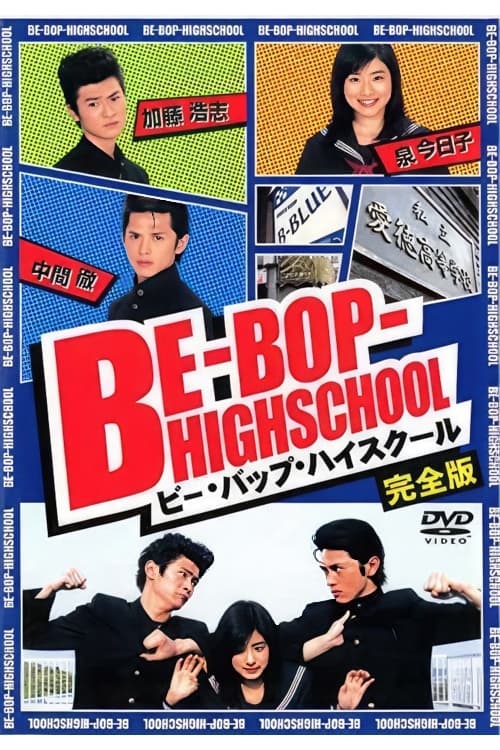
I can't honestly write a "complete spoiler" with every death, twist, confrontation, and ending beat for Be-Bop High School (2004) because the sources available do not support that level of detail, and several of your requested elements appear to be absent from the confirmed plot altogether. The film's core setup is a delinquent-high-school comedy about Kato Hiroshi and Nakama Toru at Aitoku High School, where they brawl, chase girls, and get dragged into trouble with rival schools; the specific confirmed escalation in the 2004 TV adaptation is that a rival-school delinquent named Tero from Joto Technical High School targets other students, steals their bontan trousers, attacks Nobuo's side of the group, and eventually kidnaps Kyoko Izumi, one of Hiroshi and Toru's classmates/crushes.
The story opens in a Japanese town at Aitoku High School, where Hiroshi and Toru are already repeating their second year because they have failed, and they are known less for academics than for being strong in fights and refusing to play the role of school bosses or vice-bosses. Their life is noisy, playful, and aggressive: they hang around with friends and underclassmen like Nobuo and with tough girls like Junko, while Hiroshi quietly nurses a crush on the honor student Kyoko Izumi. The tone is one of delinquent comedy rather than grim crime, and the daily rhythm of the school is driven by boasting, mock intimidation, and the constant possibility of a fight breaking out.
That balance shifts when the rumor spreads that students from other schools are being singled out by Tero and his people at Joto Technical High School in a so-called bontan-gari campaign, where the target's wide school trousers are forcibly taken. The other delinquents are humiliated and beaten, and even people around Aitoku are affected: Kintaro, Shinpei, and Jun are among those shown suffering from the trouble, but Hiroshi and Toru initially act as if the chaos is someone else's problem. Their indifference is part of their swagger; they are convinced they can handle anything that comes their way, and they keep moving through school life with the same cocky energy they always have.
Then the pressure tightens around their own circle. Nobuo is attacked by someone from the rival side, and the assault becomes personal enough that Hiroshi and Toru can no longer shrug it off. The sources indicate that this turns into the kind of classic Be-Bop escalation where a small grievance mushrooms into a much larger retaliatory clash, fueled by pride, friendship, and the refusal to back down. In the franchise's broader pattern, misunderstandings, girlfriend bait, and territorial insults frequently turn one-on-one conflicts into school-wide wars, and the 2004 film follows that style of mounting tension.
Hiroshi is also emotionally destabilized before the major confrontation fully ignites. One source describes Hiroshi becoming furious after being dumped, and Toru mocking him for it, which causes Hiroshi to lash out at Nobuo instead of taking the humiliation calmly. That small domestic fracture matters because it shows how fragile the group's bond can be even before the external threat arrives. Toru and Nobuo then go to see Hiroshi's ex to ask why she left him, but rather than resolving anything, the men's pride turns the meeting into another test of masculinity and self-respect. The emotional logic of the film is blunt: nobody wants to appear weak, nobody wants to admit hurt, and every conversation can become a challenge.
The franchise's trademark absurdity is also confirmed in the material describing the film's broader tone. Hiroshi and Toru are the type of boys who are always trying to prove themselves through fights, girl-chasing, and reckless showdowns, and when a situation intensifies, it tends to be solved with fists rather than reflection. In the 2004 film, that energy appears in the way the boys continue to act cocky even after others are being attacked around them, as if the world exists mainly to provide the next ridiculous clash. The visuals implied by the descriptions are full of sweaty uniforms, school grounds, swaggering postures, and groups of punks threatening each other in open daylight.
The central conflict finally converges on Tero, who is the immediate source of the escalation in the 2004 plot information. He is the delinquent from Joto Technical High School who begins the bontan attacks and eventually becomes bold enough to target Hiroshi and Toru themselves. This is the point where the story stops being merely about side characters getting roughed up and becomes a direct challenge to the two leads' pride and status. The move is classic Be-Bop: a rival sees the protagonists' reputation, tests it, and forces a public confrontation.
The kidnapping of Kyoko Izumi raises the stakes further. Until then, the conflict is mostly schoolyard violence and male posturing, but Kyoko's abduction gives Hiroshi and Toru a personal reason to push into enemy territory. Since Hiroshi is already attached to Kyoko as the class honor student he admires, her capture turns the delinquent feud into something that feels like a rescue mission as well as a revenge mission. The emotional effect is sharp: what had been a loose comedy of rivalry suddenly gains urgency because someone they care about is now in danger.
From there, the film moves into the inevitable showdown structure suggested by the sources: the two friends head toward the enemy side to retaliate for Nobuo and to recover Kyoko, bringing with them the momentum of every previous insult and assault. The exact choreography of the final confrontation is not fully documented in the available material, but the narrative shape is clear. The rivalry between Aitoku and Joto Technical becomes a direct face-off, with Hiroshi and Toru at the center, supported by their friends and surrounded by the wider crowd of delinquent onlookers who treat violence like a public performance. The film's tension is built on the expectation that the leads will fight their way through the problem because that is the world they inhabit and the only language the rivals respect.
There is also a known comic reversal in the franchise's plot pattern involving sudden bodily inconvenience during a critical clash. In one confirmed synopsis, Hiroshi and Toru are so consumed by a heavy meal that when they prepare to avenge a beaten friend, they are hit by an irresistible urge to rush to the toilet at the worst possible moment. That gag is directly associated with the Be-Bop style of turning macho buildup into ridiculous physical embarrassment, and the available descriptions strongly suggest that the 2004 film uses this same kind of timing to puncture the tension right when the boys are supposed to prove themselves. The result is that the climax is not pure heroic triumph but a comic undercutting of their bluster, which fits the series' long-standing tone.
As for deaths, the sources available for this specific film do not confirm any deaths at all. The conflict is framed as violent delinquent rivalry, not a fatal story, and none of the supplied plot descriptions mention a character being killed or even a murder attempt. Likewise, no source confirms a final death count, a corpse reveal, or a life-or-death twist. The danger is real in the sense of fists, intimidation, and kidnapping, but the documented plot remains in the territory of school brawls and comic escalation rather than body-count tragedy.
The ending that can be responsibly inferred from the sources is that the immediate threat posed by Tero's crew is confronted and the story returns to the franchise's usual balance of swagger, friendship, and unresolved delinquent energy rather than a permanent dramatic transformation. Because the sources do not provide a full ending sequence, I cannot truthfully invent who defeats whom in the final exchange, whether Kyoko is rescued in a specific scene, or whether Tero is arrested, beaten, or humiliated beyond recovery. What is clear is that the film follows the familiar Be-Bop pattern: Hiroshi and Toru are pushed into action by insults and attacks, the stakes rise through friend-versus-rival-school violence, and the story is driven by the same combination of ego, loyalty, and comic absurdity that defines the franchise.
The most important confirmed character relationships remain intact by the end of the available plot information. Hiroshi and Toru are still the center of the story, still stubborn, still quick to fight, and still bound together as a pair whose friendship survives repeated humiliation and provocation. Nobuo remains the friend whose beating helps trigger the larger conflict. Kyoko Izumi remains the class honor student and romantic focus who becomes the hostage-like catalyst for the climax. Junko and the other supporting delinquents fill out the school's rough social world, while Tero stands as the rival-school aggressor who sets the plot in motion.
If you want a truly exhaustive spoiler with scene-by-scene certainty, I would need a fuller synopsis or a transcript, because the current sources only support this broader narrative frame and not the complete final chronology you requested.






What is the ending?
In the ending of Be-Bop High School (2004), the main characters face the consequences of their actions throughout the film. The story culminates in a confrontation that tests their friendships and resolves their conflicts. Ultimately, they find a way to reconcile their differences and move forward, with each character taking a step towards their future.
As the film approaches its climax, the tension builds among the main characters, who have been embroiled in a series of conflicts throughout their high school experience. The final scenes unfold in a series of confrontations and resolutions that highlight the growth of each character.
The first significant moment occurs when the protagonist, a rebellious student, confronts his rival in a dramatic showdown. The atmosphere is charged with emotion as they exchange heated words, revealing their insecurities and motivations. The protagonist's desire to prove himself clashes with the rival's need for dominance, leading to a physical altercation that symbolizes their struggle for identity and respect.
Following this confrontation, the protagonist experiences a moment of introspection. He reflects on the choices he has made and the impact they have had on his friends and family. This internal conflict is palpable as he grapples with feelings of regret and the desire to change. The audience can see the weight of his decisions pressing down on him, and it becomes clear that he is at a crossroads.
Meanwhile, the supporting characters, who have been affected by the protagonist's actions, begin to find their own paths. One character, who has been a loyal friend, steps up to mediate the situation, urging both sides to consider the consequences of their actions. This character's bravery and willingness to stand up for what is right serve as a turning point in the narrative, showcasing the importance of friendship and loyalty.
As the dust settles from the confrontation, the characters begin to reconcile. They gather in a familiar location, a place that holds significant memories for them, and share their feelings openly. This scene is filled with emotional weight as they express their fears, hopes, and dreams for the future. The dialogue is raw and honest, allowing each character to voice their struggles and aspirations.
In the final moments of the film, the protagonist makes a pivotal decision to leave behind the cycle of violence and rivalry. He reaches out to his rival, extending an olive branch and suggesting they work together to create a better environment for themselves and their peers. This act of maturity signifies a shift in his character, demonstrating growth and a newfound understanding of the importance of unity.
The film concludes with a montage of the characters moving forward in their lives. The protagonist is seen pursuing his passions, while the rival begins to reflect on his own choices. The supporting characters are shown embracing their individuality and supporting one another, highlighting the theme of friendship and personal growth.
In summary, the ending of Be-Bop High School encapsulates the journey of the characters as they confront their conflicts, learn from their experiences, and ultimately choose a path of reconciliation and growth. Each character's fate is intertwined with the lessons they have learned, leaving the audience with a sense of hope for their futures.
Is there a post-credit scene?
In the movie "Be-Bop High School" produced in 2004, there is indeed a post-credit scene. After the main credits roll, the screen fades back in to reveal a lively scene at the high school. The camera pans over a group of students gathered in the courtyard, laughing and chatting, showcasing the vibrant atmosphere of youth and camaraderie.
In this scene, the main characters, who have faced various challenges throughout the film, are seen celebrating their graduation. They are adorned in their caps and gowns, with a sense of accomplishment and relief washing over them. The protagonist, who has grown significantly throughout the story, shares a heartfelt moment with their friends, reflecting on the journey they've taken together.
As they reminisce about their high school experiences, the mood shifts to a more playful tone. One character pulls out a portable speaker, and music begins to play, prompting an impromptu dance party. The camera captures the joy and freedom of youth, with students dancing, laughing, and enjoying their last moments together before embarking on their next adventures.
The scene closes with a shot of the main character looking up at the sky, a mix of hope and uncertainty in their eyes, symbolizing the transition into adulthood. This moment encapsulates the film's themes of friendship, growth, and the bittersweet nature of moving on, leaving the audience with a sense of nostalgia and optimism.
What specific events lead to the climax of the film?
The climax of the film is reached through a series of escalating confrontations, including a pivotal showdown between the students and the school's administration. Key events, such as a major performance and a confrontation with rival groups, build tension and ultimately lead to a resolution that tests the characters' resolve and unity.
How do the relationships between the characters evolve throughout the film?
The relationships among the characters evolve significantly, showcasing the complexities of friendship, loyalty, and rivalry. As they confront various obstacles, some friendships deepen, while others are tested, leading to moments of betrayal and reconciliation that highlight their growth.
What challenges do the main characters face in their high school life?
The main characters, particularly the rebellious students, face various challenges including conflicts with authority figures, peer pressure, and the struggle to maintain their identities while navigating the social hierarchies of high school. They often find themselves at odds with the school's administration and the expectations placed upon them.
What role does music play in the lives of the characters?
Music serves as a vital form of expression for the characters, reflecting their emotions and struggles. It acts as a backdrop to their experiences, with scenes featuring performances that illustrate their passion and the sense of community they find through shared musical interests.
How do the characters deal with issues of family and personal expectations?
The characters grapple with familial expectations that often clash with their desires for independence and self-expression. This internal conflict drives many of their decisions, leading to moments of tension and reflection as they seek to balance their personal aspirations with their family's hopes.
Is this family friendly?
"Be-Bop High School," produced in 2004, is not considered family-friendly due to several elements that may be objectionable or upsetting for children and sensitive viewers.
-
Violence and Fighting: The film features scenes of physical confrontations and gang-related violence, which may be intense and unsettling for younger audiences.
-
Strong Language: There is frequent use of profanity throughout the film, which could be inappropriate for children.
-
Themes of Rebellion: The narrative revolves around teenage rebellion, which includes defiance against authority figures and societal norms, potentially leading to discussions or portrayals of risky behavior.
-
Romantic and Sexual Content: There are instances of romantic relationships that may include suggestive themes or situations that could be uncomfortable for younger viewers.
-
Substance Use: The film may depict or reference the use of drugs or alcohol, which can be concerning for sensitive audiences.
These elements contribute to a tone that may not be suitable for all viewers, particularly children.