











Popular
What is the relationship between Amedeo Modigliani and Jeanne Hébuterne in the film?
How does the character of Pablo Picasso influence Modigliani's life in the film?
What role does the character of Léopold Zborowski play in Modigliani's journey?
How does Modigliani's struggle with addiction affect his relationships in the film?
What is the significance of the art scene in Paris during Modigliani's time as depicted in the film?
Should I watch it?
Ask Your Own Question

What is the plot?
Sorry, we aren't able to watch and write up a full detailed plot yet. Check back in a few days.




What is the ending?
In the ending of the movie "Modigliani," Amedeo Modigliani, after a tumultuous life filled with struggles and artistic passion, faces his final moments. He is seen in a state of despair, grappling with his health and the weight of his unfulfilled dreams. As he reflects on his life, he finds solace in the love of his muse, Jeanne Hébuterne. The film concludes with Modigliani's death, followed by a poignant scene where Jeanne, heartbroken, takes her own life shortly after. The film closes with a sense of tragic beauty, emphasizing the deep connection between the two artists and the sacrifices they made for their art.
As the film approaches its conclusion, we find Amedeo Modigliani in a dimly lit room, the walls adorned with his unfinished canvases, each a testament to his genius and the struggles he has faced. The air is thick with a sense of impending doom, as Modigliani, portrayed with a gaunt face and weary eyes, sits slumped over, battling the effects of his deteriorating health and the weight of his artistic failures. He is surrounded by the remnants of his chaotic life, bottles of alcohol scattered about, a reflection of his attempts to escape the pain that has plagued him.
In this moment of solitude, Modigliani is visited by his muse, Jeanne Hébuterne. She enters the room, her presence a stark contrast to the darkness that envelops him. Her beauty and grace bring a flicker of light into his life, and they share a tender moment, filled with unspoken words and deep emotional connection. Modigliani's eyes soften as he gazes at her, revealing the love and admiration he holds for her, despite the turmoil surrounding them. They embrace, and in that embrace, we see the intertwining of their fates, two souls bound by passion and tragedy.
As the scene unfolds, Modigliani's health continues to decline. He struggles to breathe, and the weight of his artistic aspirations hangs heavily on him. He reflects on his life, the sacrifices he has made for his art, and the love he has for Jeanne. The emotional turmoil is palpable, as he grapples with feelings of inadequacy and despair. He expresses his fears to Jeanne, revealing his vulnerability and the depth of his love for her. She reassures him, but the shadows of their reality loom large.
In a heart-wrenching turn, Modigliani succumbs to his illness, his body finally giving in to the toll of his life choices. As he takes his last breaths, Jeanne holds him close, tears streaming down her face. The room is filled with a haunting silence, broken only by the sound of Modigliani's labored breathing. In his final moments, he finds peace in the love they share, a bittersweet conclusion to a life filled with both beauty and suffering.
After Modigliani's death, the film shifts to Jeanne, who is left to grapple with the profound loss of her partner. The weight of grief becomes unbearable for her, and in a tragic act of despair, she takes her own life shortly after. The scene is poignant, capturing her heartbreak as she makes the irreversible decision to join Modigliani in death. The film portrays her as a deeply passionate woman, whose love for Modigliani was intertwined with her own identity as an artist.
The final moments of the film are marked by a sense of tragic beauty, as the camera lingers on the empty room, now devoid of life. The legacy of Modigliani's art and the love story between him and Jeanne resonate through the silence, leaving the audience with a haunting reminder of the sacrifices made for love and art. The film closes with a powerful image of their connection, emphasizing the enduring impact of their lives and the tragic fate that befell them both.
Is there a post-credit scene?
The movie "Modigliani," produced in 2004, does not have a post-credit scene. The film concludes with a poignant ending that encapsulates the life and struggles of the artist Amedeo Modigliani, focusing on his relationships, artistic aspirations, and the challenges he faced. After the credits roll, there are no additional scenes or content that follow. The film leaves the audience with a sense of reflection on Modigliani's legacy and the impact of his art.
What is the relationship between Amedeo Modigliani and Jeanne Hébuterne in the film?
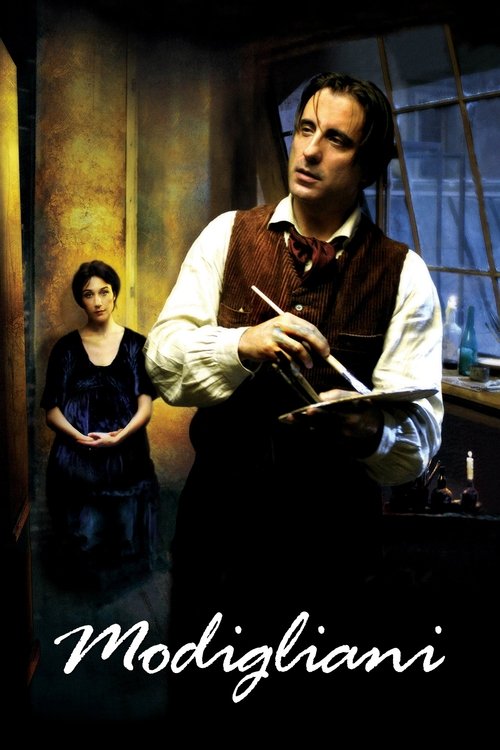
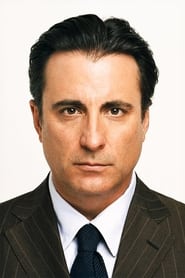
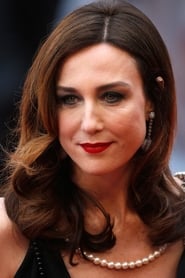
In the film 'Modigliani', Amedeo Modigliani, portrayed by Andy Garcia, shares a passionate and tumultuous relationship with Jeanne Hébuterne, played by Elsa Pataky. Their love is depicted as both deeply romantic and fraught with challenges, particularly due to Modigliani's struggles with poverty, alcoholism, and the pressures of the art world. Jeanne is shown as a devoted partner who supports Modigliani's artistic ambitions, yet she also faces societal judgment and personal turmoil as their relationship unfolds.
How does the character of Pablo Picasso influence Modigliani's life in the film?
Pablo Picasso, played by Olivier Martinez, serves as both a rival and a source of inspiration for Modigliani in the film. Picasso's success and fame highlight Modigliani's own struggles for recognition, creating a complex dynamic between the two artists. The film portrays Picasso as a charismatic yet arrogant figure, whose presence exacerbates Modigliani's insecurities and drives him to push the boundaries of his own art, ultimately leading to moments of both admiration and resentment.
What role does the character of Léopold Zborowski play in Modigliani's journey?
Léopold Zborowski, portrayed by the actor, is depicted as Modigliani's art dealer and a significant figure in his life. Zborowski's character embodies the commercial side of the art world, often pressuring Modigliani to conform to market demands. Despite this, he also recognizes Modigliani's talent and attempts to promote his work. Their relationship is marked by tension, as Modigliani grapples with the need for financial stability while remaining true to his artistic vision.
How does Modigliani's struggle with addiction affect his relationships in the film?
Throughout 'Modigliani', Amedeo's struggle with alcoholism is a central theme that profoundly impacts his relationships, particularly with Jeanne and his friends. His addiction leads to moments of volatility and despair, causing rifts and misunderstandings. The film poignantly illustrates how his dependency on alcohol serves as both a coping mechanism for his artistic pain and a destructive force that alienates those closest to him, ultimately culminating in heartbreaking consequences.
What is the significance of the art scene in Paris during Modigliani's time as depicted in the film?
The film captures the vibrant yet competitive art scene of early 20th-century Paris, showcasing the struggles and aspirations of artists like Modigliani. The portrayal of various art exhibitions, salons, and interactions with other notable figures of the time highlights the cultural milieu that both inspires and challenges Modigliani. This setting serves as a backdrop for his creative journey, illustrating the tension between artistic integrity and commercial success, as well as the camaraderie and rivalry among artists.
Is this family friendly?
"Modigliani," produced in 2004, is not considered family-friendly due to several potentially objectionable elements. Here are some aspects that might be upsetting for children or sensitive viewers:
-
Depictions of Substance Abuse: The film portrays characters engaging in heavy drinking and drug use, which may be distressing for younger audiences.
-
Violence and Aggression: There are scenes of physical altercations and confrontations that can be intense and unsettling.
-
Themes of Mental Health: The film explores deep emotional struggles, including depression and existential crises, which may be heavy for sensitive viewers.
-
Sexual Content: There are scenes that involve nudity and sexual situations, which may not be appropriate for children.
-
Tragic Elements: The narrative includes themes of loss, betrayal, and the struggles of an artist, which can evoke strong emotional responses.
These elements contribute to a mature tone that may not be suitable for younger audiences or those who are sensitive to such themes.





