







Popular
What motivates the main character, Vicky, to pursue her passion for ballet?
How does the relationship between Vicky and her mentor, Boris, evolve throughout the film?
What role do the red shoes play in Vicky's journey and transformation?
How does Vicky's relationship with her fellow dancer, Julian, impact her character development?
What internal conflicts does Vicky face as she prepares for the lead role in the ballet?
Should I watch it?
Ask Your Own Question

What is the plot?
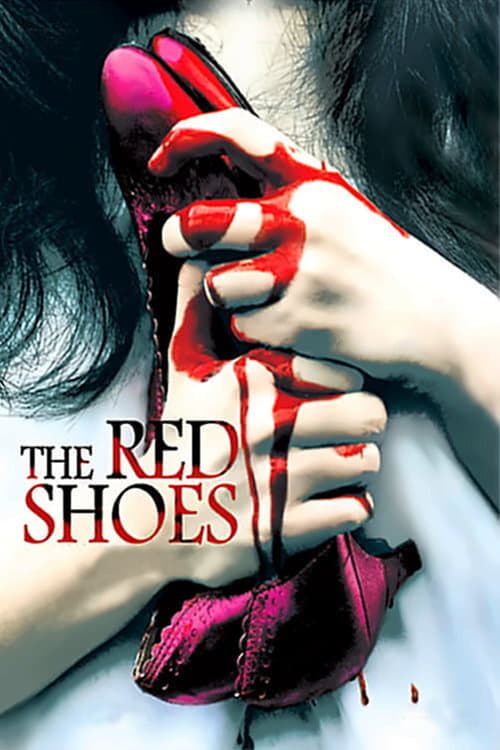
On a dimly lit subway platform late at night, two unnamed young girls stand waiting for the next train, their breaths visible in the chill air. One girl spots a pair of vivid pink high-heeled shoes gleaming unnaturally under the flickering fluorescent lights, abandoned like a siren's call. She reaches down hesitantly, her fingers brushing the smooth leather, but before she can claim them, the second girl lunges forward with a greedy snarl, snatching them away. "They're mine!" she hisses, clutching the heels to her chest. The lights stutter wildly, plunging the platform into strobing darkness as ominous music swells from nowhere, accompanied by a deafening whoosh like wind through a grave. The thief's eyes widen in terror as invisible forces seize her ankles. With a sickening crunch, her feet sever clean at the joints, blood spraying in arcs across the concrete. She topples backward, lifeless, her severed limbs twitching in the cursed shoes, which remain pristine amid the gore.
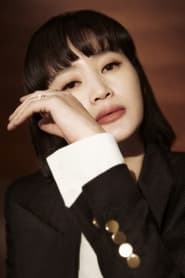
Cut to Sun-jae (Kim Hye-soo), a poised but weary optometrist in her mid-thirties, whose world crumbles in the heat of domestic betrayal. Bursting through the door of her modest family home one afternoon, she catches her husband, Sung-joon (Lee Eol), entangled in the sheets with another woman, their laughter dying as Sun-jae stands frozen in the doorway. "How could you?" she whispers, voice cracking, but Sung-joon only sneers, "You were never enough." Heart shattered, Sun-jae grabs their young daughter, Tae-su (Park Yeon-ah), a ballet-obsessed girl of about ten who clings to her father with wide, pleading eyes. "Daddy didn't mean it, Mommy! Don't take me away!" Tae-su cries, but Sun-jae drags her out, slamming the door on her old life. With meager alimony and dreams of a fresh start, they relocate to a rundown old apartment in a shadowy Seoul neighborhood--cramped, peeling wallpaper, flickering bulbs, and an oppressive dampness that seeps into their bones. Sun-jae works tirelessly, awaiting the opening of her new eye clinic, while Tae-su sulks, missing her father and whispering rebellions under her breath.
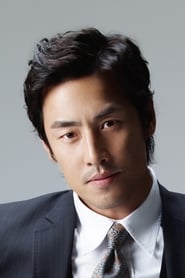
Amid the construction chaos at the clinic site, Sun-jae meets In-cheol (Kim Sung-soo), the brusque interior designer with sharp features and a hidden warmth. Initially clashing over design choices--"These colors are too cold; make it warmer, like hope," Sun-jae insists--he softens, their banter evolving into stolen glances and late-night coffees. Tension simmers as In-cheol's abrasive charm draws her in, a flicker of romance amid her isolation. But the curse lurks closer. One crowded evening rush hour on the subway, Sun-jae spots the same pink high-heeled shoes, discarded in an empty car like they were waiting for her. Drawn by an inexplicable pull, she slips them on, the leather molding perfectly to her feet despite her size. A thrill surges through her--confidence, beauty, power she hasn't felt since before her marriage soured. She brings them home, hiding them from Tae-su, but the obsession ignites.
Tae-su discovers the shoes first, her ballet dreams twisting into covetous rage. "Mommy, those are for dancing! Give them to me!" she demands one night in their dim apartment kitchen, yanking them from Sun-jae's closet. The lights flicker, whooshing winds howl through sealed windows, and gallons of phantom blood gush from the faucets, drenching the floor in viscous red. Sun-jae wrestles them back, mother and daughter clawing like wild animals, nails drawing blood, screams echoing off the grimy walls. The shoes vanish overnight, only to reappear on the subway platform the next day, mocking their futile discards. Visions plague Sun-jae: grotesque hallucinations of severed feet, dancers twisting in eternal agony, and a shadowy female figure with hollow eyes beckoning her onward.
Word spreads of the "pink shoe killer"--grisly murders where victims' feet are hacked off after thefts, bodies left mutilated on subway tracks or platforms. Police swarm the stations, dubbing it the work of a "sicko who cuts off feet." Sun-jae, questioned at the local police station after a witness links her to a sighting, spots an old black-and-white 1940s advertisement photo pinned to a evidence board: the pink heels on a glamorous ballerina, the same cursed pair. Her pulse races; the model's name is Keiko, eyes hauntingly familiar. Released without charges, Sun-jae delves deeper, haunted by fleeting visions of a photo studio and a grand ballet stage from decades past.
Enter the old woman, a hunched, deformed figure resembling the Hunchback of Notre Dame, lurking near the subway with wild eyes and tattered clothes. She corners Sun-jae one foggy evening outside the apartment, gripping her arm with bony fingers. "Those shoes... they're death. Return them to Keiko before it's too late!" she rasps, her voice a gravelly warning. Sun-jae recoils, dismissing her as a mad hag, but the words burrow deep.
The curse escalates, envy and greed fracturing bonds. Sun-jae's best friend, Mi-hee--not yet fully introduced but a constant phone presence offering support--visits the apartment one stormy night. Spotting the shoes peeking from under the bed, Mi-hee's eyes glaze with obsession. "Sun-jae, these are exquisite. Let me try them--just once." A vicious fight erupts; Sun-jae, possessed by jealous fury, grabs a kitchen knife. Blood sprays as she stabs Mi-hee repeatedly, the friend's screams gurgling into silence. "No one takes what's mine," Sun-jae mutters, wiping the blade, hiding the body in a panic, the curse's gore visions blurring reality. Tae-su witnesses fragments, her ballet classes fueling her own fixation; mother-daughter confrontations turn physical, hair-pulling brawls over the heels leaving bruises and tears.
In-cheol grows closer, their romance blooming in tender moments at the clinic site--he kisses her softly one dusk, whispering, "You deserve beauty, Sun-jae, not this darkness." But suspicions mount. Tae-su, terrified yet loyal, confides in him during a secret visit: "Mommy killed Daddy. I saw it. She hit him and he didn't wake up." In-cheol's face hardens; piecing together clues, he confronts Sun-jae subtly, but she deflects with feigned innocence.
Visions intensify, pulling Sun-jae into the 1940s backstory. In a smoke-filled photo studio, Oki--a striking ballerina with Sun-jae's face--covets the pink heels, a token of affection from her lover, a charismatic choreographer. During a heated shoot, Oki seduces the man, but Keiko, her jealous rival, bursts in. "He's mine, Oki! Those shoes were for me!" Keiko shrieks. Enraged, Oki stabs her repeatedly, blood pooling on the studio floor. The lover, complicit, helps dump Keiko's body in a shallow grave. But Oki's greed peaks: she hacks off Keiko's legs with a jagged blade, wrenching the shoes free, slipping them on amid the twitching corpse. "Perfect fit," she laughs maniacally.
The visions shift to the ballet stage, packed audience aglow under spotlights. Oki dances uncontrollably in the cursed heels, feet blurring in a frenzied whirl, the fairy tale's torment made flesh. The lover rushes onstage to stop her--"Oki, take them off!"--but Keiko's ghost manifests, a spectral horror with legless stumps oozing ichor. An ethereal rope snakes from the rafters, choking the man mid-air, his face purpling as the shoes slip from his convulsing feet. Oki joins him, hanged in tandem, bodies swinging like pendulums as the old woman watches from the wings, screaming in horror.
Sun-jae awakens sweating in her apartment, the truth dawning: she is Oki reincarnated, the curse cycling through time. Sung-joon's "death" flashes back--not just abandonment, but murder. In a haze of post-betrayal rage, she'd bludgeoned him with a heavy lamp, his skull caving under blows, body concealed in the home's basement before fleeing. Covered up flawlessly, or so she thought. The old woman reappears, pounding on the door at midnight: "You're Oki reborn! Keiko's ghost will claim you, just like before!" Sun-jae slams it shut, but doubt festers.
Momentum builds as bodies pile. In-cheol, now certain via Tae-su's confession, confronts Sun-jae at the clinic after hours, blueprints scattered like omens. "You killed Sung-joon, didn't you? Tae-su told me everything." His voice trembles with betrayal. Possessed by the curse's greed, Sun-jae lunges, strangling him with a electrical cord from the construction site, his gasps fading as life ebbs, eyes bulging in accusation. She stages it as a suicide, fleeing into the night.
Desperate for release, Sun-jae journeys to Keiko's overgrown gravesite on a desolate hillside at dawn, mist clinging to weathered stones. Kneeling, she buries the pink shoes deep in the dirt, whispering, "Take them back. End this." A momentary peace washes over her--perhaps it's over. But no; the hauntings persist.
Racing to In-cheol's sleek apartment, she finds him cold, her own handiwork staring back. Tae-su's voice echoes in her mind: the girl had spilled everything. Fury boils; Sun-jae storms home to the rundown apartment, finding Tae-su huddled in terror. "You told him! You ruined everything!" Sun-jae snarls, grabbing her daughter's arm, dragging her toward the door. Tae-su screams, "Mommy, no! I'm sorry!" They tumble into the night, mother chasing daughter through rain-slicked streets to the fateful subway station, midnight trains rumbling like beasts below.
On the platform, tension peaks. Tae-su slips toward the tracks as a train hurtles near, Sun-jae seizing her collar. "Die, then! No one betrays me!" she roars, shoving--but at the last heartbeat, love pierces the curse. She yanks Tae-su back, the train whooshing past in a gale of wind and sparks. Tae-su collapses sobbing, then vanishes into the shadows, swallowed by the platform's gloom.
Sun-jae searches frantically, calling "Tae-su! Come back!" The lights flicker once more, whooshing winds rising. Keiko's ghost materializes--ethereal, legless, face twisted in vengeful beauty. "You are Oki," the specter hisses, voice echoing like shattering glass. Visions assault Sun-jae: her bludgeoning Sung-joon, bloodied lamp in hand; stabbing Mi-hee in crimson frenzy; throttling In-cheol's neck; the near-murder of Tae-su. Revelations crash like waves--Oki's jealousy birthed the curse, now complete in reincarnation. "Join us," Keiko whispers.
Sun-jae bolts, heart pounding, down the subway tunnels, but the deformed old woman blocks her path--no, it's Keiko manifest in flesh, hunchbacked and grotesque, stumps dragging. "One size kills all," she croons, the tagline a death knell. Supernatural forces seize Sun-jae; her feet blister into the pink heels against her will, compelling an uncontrollable dance. She twirls in agony on the tracks, bones cracking, as another train barrels forth. Keiko's laughter mingles with the roar. Sun-jae screams, body mangled under the wheels, completing the cycle--Oki claimed at last.
The screen fades to black on the abandoned pink shoes, reappearing pristine on the empty platform, waiting for the next covetous soul. Tae-su's fate lingers unresolved, a ghost in the machine of eternal curse, as the whooshing wind whispers promises of more obsession, more blood.
(Word count: 3472)

What is the ending?
In the ending of "The Red Shoes" (2005), the protagonist, a talented ballerina named Vicky, faces a tragic choice between her passion for dance and her love for her partner, Julian. Ultimately, she succumbs to the overwhelming pressure of her career, leading to a devastating conclusion.
As the film progresses towards its climax, Vicky is torn between her dedication to the ballet and her relationship with Julian. The final performance of "The Red Shoes" becomes a metaphor for her internal struggle. During the performance, Vicky is consumed by the dance, losing herself in the art. However, the pressure mounts, and she becomes increasingly aware of the consequences of her choices. In a moment of despair, she makes a fateful decision that leads to her demise.
In the final scenes, Vicky, overwhelmed by the duality of her life, chooses to end her suffering. The film closes with a haunting image of her fate, leaving a lasting impact on the audience.
Now, let's delve into the ending in a more detailed, chronological narrative.
As the final act of the ballet "The Red Shoes" unfolds, the stage is set with a hauntingly beautiful backdrop, illuminated by soft, ethereal lighting. Vicky, dressed in the iconic red shoes, steps onto the stage, her heart racing with a mix of exhilaration and dread. The music swells, and she begins to dance, her movements fluid and captivating. Each pirouette and leap is infused with her passion, yet there is an underlying tension in her expression, a reflection of her internal conflict.
As she dances, flashes of her life with Julian, her partner, flicker through her mind. Their moments of joy and love contrast sharply with the relentless demands of her career. The audience is entranced, but Vicky feels the weight of expectation pressing down on her. The choreography becomes increasingly intense, mirroring her emotional turmoil. She dances as if possessed, losing herself in the rhythm, yet the red shoes seem to bind her, pulling her deeper into a world where she feels she cannot escape.
In a pivotal moment, Vicky's mind drifts to the choices she has made. She recalls the sacrifices she has endured for her art, the toll it has taken on her relationship with Julian. The music crescendos, and she is caught in a whirlwind of emotions--love, ambition, fear, and despair. The audience is oblivious to her inner struggle, captivated by her performance, but Vicky is spiraling.
As the dance reaches its climax, Vicky's expression shifts from joy to anguish. She realizes that she cannot continue to live in this duality, torn between her love for Julian and her devotion to dance. In a moment of clarity, she makes a choice that seals her fate. The final notes of the music echo through the theater as she leaps into the air, a moment suspended in time. But instead of landing gracefully, she falters, her body collapsing as the stage lights dim.
The scene shifts to Julian, who watches in horror from the wings. His face is a mixture of shock and heartbreak as he realizes the depth of Vicky's struggle. He rushes to her side, but it is too late. The audience, still unaware of the tragedy unfolding behind the scenes, erupts into applause, oblivious to the personal devastation that has just occurred.
In the aftermath, the theater is silent, the applause fading into an eerie stillness. Julian kneels beside Vicky, cradling her in his arms, tears streaming down his face. The weight of their love and the tragedy of her choice hang heavy in the air. Vicky's eyes flutter open for a brief moment, and she whispers a final goodbye, her expression a mix of peace and sorrow.
The film concludes with a haunting image of the red shoes, now lying abandoned on the stage, a symbol of the cost of ambition and the sacrifices made in the pursuit of art. The screen fades to black, leaving the audience to grapple with the emotional weight of Vicky's journey and the tragic consequences of her choices. Each character's fate is sealed in this moment--Vicky's life extinguished, Julian left to mourn the love he lost, and the world of ballet forever changed by the loss of a brilliant dancer.
Is there a post-credit scene?
The movie "The Red Shoes" produced in 2005 does not contain a post-credit scene. The film concludes its narrative without any additional scenes or content after the credits roll. The story wraps up with a focus on the emotional and psychological journey of the main character, emphasizing the themes of ambition, sacrifice, and the haunting nature of artistic pursuit. The ending leaves a lasting impression, encapsulating the struggles faced by the protagonist without extending into further scenes.
What motivates the main character, Vicky, to pursue her passion for ballet?
Vicky's motivation to pursue ballet stems from her deep-seated desire for artistic expression and her longing to escape her mundane life. She is driven by a passion for dance that is both exhilarating and consuming, leading her to make sacrifices in her personal life.
How does the relationship between Vicky and her mentor, Boris, evolve throughout the film?
Vicky's relationship with Boris begins as a professional mentor-student dynamic, where he recognizes her talent and pushes her to excel. As the story progresses, their relationship becomes more complex, filled with tension and emotional conflict, as Vicky grapples with her ambition and the personal sacrifices it demands.
What role do the red shoes play in Vicky's journey and transformation?
The red shoes symbolize Vicky's ambition and the duality of her passion for dance and the destructive nature of that obsession. When she wears them, she experiences a euphoric transformation that elevates her performance but also leads to her emotional turmoil and eventual downfall.
How does Vicky's relationship with her fellow dancer, Julian, impact her character development?
Vicky's relationship with Julian serves as both a source of support and conflict. Initially, he represents a romantic interest and a sense of normalcy in her life, but as Vicky becomes more consumed by her ambition, their relationship strains, highlighting her isolation and the sacrifices she makes for her art.
What internal conflicts does Vicky face as she prepares for the lead role in the ballet?
As Vicky prepares for the lead role, she faces intense internal conflicts between her desire for success and the fear of losing herself to the demands of her art. This struggle manifests in her emotional instability, as she battles self-doubt, the pressure from Boris, and the haunting influence of the red shoes.
Is this family friendly?
The Red Shoes (2005) is a visually stunning film that explores themes of ambition, obsession, and the pursuit of art. However, it contains several elements that may be considered objectionable or upsetting for children or sensitive viewers.
-
Intense Emotional Struggles: The film delves deeply into the psychological turmoil of its characters, particularly the protagonist, who experiences significant internal conflict and emotional distress.
-
Themes of Obsession: The narrative explores the darker side of artistic ambition, including the obsession that can lead to personal sacrifice and turmoil, which may be difficult for younger viewers to fully comprehend.
-
Dramatic Tension: There are scenes of high emotional stakes and tension that may be unsettling, as characters face intense pressure and make difficult choices.
-
Visual Symbolism: The use of the red shoes as a symbol of both beauty and destruction can be interpreted in various ways, potentially leading to confusion or discomfort for younger audiences.
-
Tragic Outcomes: The film includes elements of tragedy that may be upsetting, as characters face dire consequences for their choices, which can evoke strong emotional reactions.
Overall, while The Red Shoes is a beautifully crafted film, its complex themes and emotional depth may not be suitable for all children or sensitive viewers.







