

















Loading additional questions...
Popular
Should I watch it?
Ask Your Own Question

What is the plot?
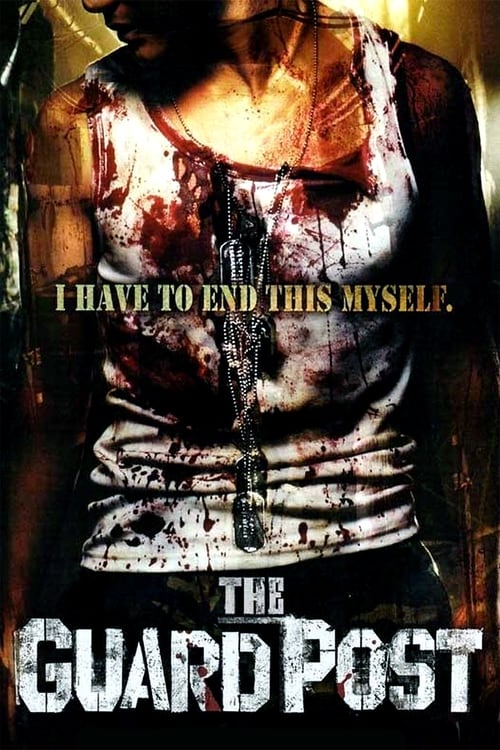
A squadron of heavily armed South Korean soldiers storms Guard Post 506, a remote outpost perched on the tense edge of the Demilitarized Zone (DMZ), their boots crunching through the mud under a relentless downpour. The post has gone silent, failing to deliver its mandatory half-hour radio check-ins to headquarters, and the air thickens with dread as they breach the perimeter. Flashlights cut through the gloom, revealing the first horrors: mutilated bodies strewn across the grounds like discarded rags, limbs hacked apart, torsos ripped open, blood pooling in the rain-slicked dirt. In the recreation room, the carnage escalates--walls splattered with arterial spray, young soldiers' corpses piled in grotesque heaps, faces frozen in rictus screams. And there, in the center of the bloodbath, stands Private Kang Jin-won, drenched head to toe in gore, his eyes wild with manic glee, a bloodied axe gripped tightly in both hands as he grins at the intruders. The soldiers tackle him, his laughter echoing maniacally as they cuff him and drag him away, the apparent sole survivor turned prime suspect in this inexplicable slaughter.
Sergeant Major Noh Seong-gyu arrives at 21:07, stepping out of the jeep with the grim determination etched into his weathered face, his team of military police fanning out behind him. A grizzled veteran driven by political ambition as much as duty, Noh surveys the scene with cold eyes, his breath visible in the chill night air. En route to the command office, he passes the boiler room, where fresh blood smears the wall in jagged Hangul: "Kill all of them." The words drip slowly, a chilling prophecy amid the metallic tang of death. In the recreation room, Noh stands transfixed by the devastation--dozens of bodies, some half-eaten, others cleaved clean through, the floor a slippery mire of viscera. Tension coils as Lieutenant Yu Jung-woo, the post's young commander and son of a powerful general, emerges from hiding, pale and trembling, insisting he hid during the chaos but saw nothing. His survival throws suspicion into disarray; with identical fatigues blurring the lines between victims and investigators, Noh orders a full sweep, introducing his team: the steady Army Surgeon Doc, sharp-eyed Sergeant Yoon, and eager Private Kwon, among others.
As the storm rages outside, trapping them in this isolated hell, Noh pores over diaries, reports, and a battered camcorder scavenged from the debris, the footage flickering to life on a grainy screen. Flashbacks erupt without warning, pulling them--and the audience--into the hours before the massacre. Days earlier, deep in the forbidden DMZ patrol area, a squad from GP 506 ventures off-limits, stumbling upon scattered North Korean corpses, bloated and grotesque under the gray sky. Curiosity turns to contamination as they handle the bodies, unaware of the invisible rage virus--a biological contagion that ignites feral psychosis, turning men into ravenous, flesh-craving killers. Back at the post, the first signs flicker: a soldier scratches at his arm, veins bulging black under the skin, eyes glazing with unnatural hunger. Paranoia spreads like the infection itself. Private Kang Jin-won, once a disciplined corporal, feels it first--a burning itch in his blood, whispers urging violence. He grabs the axe from the toolshed, his grin twisting as he hacks down his bunkmate in the barracks, the man's screams gurgling into silence as the blade bites deep into his neck. One by one, the original platoon falls in a frenzy of off-screen butchery: throats torn out, bellies ripped open, bodies dragged into piles. Sergeant Yoo, gnawing raw flesh from a guard dog when found, embodies the devolution--his jaws snapping, foam-flecked lips pulled back in a snarl. Kang slaughters most, his axe a whirlwind of crimson arcs, but the virus claims them all in mutual madness, leaving GP 506 a tomb before the investigators arrive.
Noh's probe intensifies, the rain hammering the roof like accusatory fists. They restrain the comatose Kang, his bloodied axe confiscated, but irrational outbursts plague the team--soldiers snapping at shadows, eyes twitching with suppressed rage. In the corridors, they corner Sergeant Yoo, still alive and feral, his uniform torn, teeth sunk into the dog's haunch. "What the hell happened here?" Noh barks, pistol drawn, as Yoo lunges with animalistic howls. They subdue him, chaining him in a storage room, but his guttural moans seep through the walls, fraying nerves. Lieutenant Yu huddles in the office, denying involvement despite his general father's influence shielding him from scrutiny. Doc examines the bodies, noting bite marks and blackened veins, murmuring, "This isn't murder... it's something worse." The camcorder reveals a final, frantic message from a doomed soldier: "It came from the DMZ... they're not dead, they're changing... kill them before--" the tape cuts to static as screams erupt.
Midnight bleeds into the early hours, and the virus's tendrils reach the investigators. Private Kwon stumbles from the shower room at 02:14, skin pallid, muttering incoherently. Noh questions him sharply: "What did you see, soldier?" Kwon lunges, eyes rolled back, forcing Noh to pistol-whip him unconscious. Flashbacks intercut, showing the original massacre's crescendo: Kang bursting into the recreation room, axe swinging, cleaving two soldiers mid-conversation--"No, Jin-won, stop!"--their pleas drowned in wet thuds as heads roll. Bodies stack as infected turn on each other, the "Kill all of them" scrawled in a dying man's blood on the boiler room wall. Noh pieces it together--the sortie into the DMZ introduced the pathogen, a rage virus mimicking zombies but rooted in brutal biology, spreading through blood and saliva. No ghosts, no curses, just a geopolitical nightmare leaking across the border.
Dawn approaches, but isolation breeds horror. Sergeant Yoon vanishes into the bunker passageways, his sobs echoing faintly. Noh, staring at a rain-lashed window, fingers his family photo--a wife and child smiling innocently--his face hardening with resolve. "This ends here," he whispers to himself, the weight of genocide settling on his shoulders. He rolls up his sleeves, revealing blackened veins creeping up his arm: he's infected, bitten in an unseen scuffle. Doc confronts him in the office: "You're talking madness, Sergeant Major! This is genocide!" Noh's eyes bore into Doc's. "Look at yourself." Doc checks his own arm--same dark infection pulsing beneath the skin. No time for debate. Noh grabs the bunker keys from a hidden drawer, steeling for the purge.
In the bunker's dim underbelly, Noh finds Sergeant Yoon curled in a corner, infected and weeping. "Please... it hurts..." Yoon begs, but his eyes flash feral. Noh raises his pistol. "For the greater good." The shot cracks, Yoon's head snapping back, blood spraying the concrete. Tension mounts as Noh stalks the corridors, spilling kerosene from scavenged cans, the acrid fumes biting the air, trails snaking toward every exit. Private Kwon, stirring from his stupor at 05:56, fully turns--frothing, clawing at Noh with infected nails. "They're all dead because of you!" Kwon snarls, but Noh fires point-blank, the bullet punching through Kwon's chest, dropping him in a twitching heap. Bodies pile: original platoon massacred by Kang and their own rabid kin; now investigators fall to Noh's mercy killing.
High-ranking Lieutenant Lee, emerging as the new authority with Yu compromised, rallies his remaining men--soldiers showing infection signs but loyal to a cover-up. "There's no virus," Lee insists over radio static, voice edged with desperation. "Just a breakdown. Report it as such." They hunt Noh through the labyrinthine bunker, flashlights bobbing like predatory eyes. Noh, wounded from a glancing shot, rigs booby traps--wires taut across doorways, kerosene pools primed for ignition. Momentum surges toward 06:25 in the shower room, steam hissing from faulty pipes, tiles slick with water and blood. Lee corners Noh, pistol leveled. "Join us, Noh. Deny it ever happened. We can bury this--for the army, for the nation." Noh, bleeding from a shoulder gash, spits back: "You're already dead men walking."
Doc bursts in, rifle barking, igniting the standoff. Chaos erupts: Noh and Doc unleash hell, bullets ricocheting off porcelain, mowing down three of Lee's soldiers in sprays of red--one's face explodes against the wall, another's gut shreds open, the third crumples with a gurgling cry. Noh takes a bullet to the leg, staggering but firing on. Doc's magazine clicks empty; Lee pumps two rounds into his chest. Doc slumps, gasping, "End it... all of it," before expiring in a pool of his own blood. Lee advances, but only one Private remains, wide-eyed and trembling. Noh, vision blurring from infection and blood loss, snarls through gritted teeth, "Go on, boy. Open the door."
The Private bolts for the exit, flinging it wide--triggering Noh's masterstroke. Flames whoosh up the kerosene trails, devouring the bunker in a roaring inferno. The Private ignites mid-stride, screaming as fire consumes him, his charred body crumpling amid exploding canisters. The blast ripples outward, corridors collapsing, the entire GP 506 shuddering like a dying beast. Noh, last man standing amid the flames, smiles faintly at his family photo one final time before the heat claims him, his body engulfed as the structure buckles.
At 06:57, as the first light pierces the smoke, approaching reinforcements skid to a halt, diving for cover behind rocks. GP 506 is a smoking ruin--twisted metal, charred corpses fused to the earth, flames licking the sky. No signals emanate from the ashes; the virus, contained by total annihilation, leaves only silence and the acrid stench of victory through apocalypse. The soldiers rise cautiously, staring at the devastation, the DMZ wind carrying faint echoes of the night's horrors, but the outbreak ends here, buried under rubble and resolve.





What is the ending?
In the ending of "The Guard Post," the remaining soldiers at the outpost confront the terrifying reality of their situation. As the supernatural elements escalate, the truth about the events that transpired at the outpost is revealed, leading to a tragic conclusion for the characters involved.
As the film progresses towards its climax, the tension within the outpost reaches a breaking point. The soldiers, already on edge from the mysterious deaths of their comrades, begin to experience hallucinations and paranoia. The atmosphere is thick with dread, and the isolation of the outpost amplifies their fears.
In the final scenes, the protagonist, Sergeant Kim, grapples with the horrifying truth about the entity haunting the outpost. He discovers that the deaths were not merely the result of external threats but were tied to a malevolent force that preys on the soldiers' fears and guilt. As the supernatural occurrences intensify, Kim's mental state deteriorates, reflecting his internal struggle and the weight of his responsibilities.
The climax unfolds as Kim confronts the entity, leading to a harrowing showdown. The remaining soldiers, driven by fear and desperation, attempt to fight back against the unseen force. However, their efforts are futile, and one by one, they succumb to the terror that has taken hold of the outpost. The emotional weight of their situation is palpable, as they realize that their camaraderie and bravery are not enough to combat the darkness that surrounds them.
In the end, Kim is left alone, haunted by the loss of his comrades and the realization that the outpost is a place of death. The final moments depict him as a broken man, grappling with the consequences of their ordeal. The film closes on a somber note, emphasizing the psychological toll of war and the haunting nature of guilt and fear.
As the credits roll, the audience is left with a lingering sense of dread, reflecting on the fragility of the human mind when faced with the unknown. The fate of each character serves as a stark reminder of the horrors that can arise in isolation and the impact of unresolved trauma.
Is there a post-credit scene?
The movie "The Guard Post," also known as "GP506," does not feature a post-credit scene. The film concludes its narrative without any additional scenes or content after the credits roll. The story wraps up with the resolution of the central conflict, leaving the audience with the haunting implications of the events that transpired within the guard post. The focus remains on the psychological horror and the impact of the characters' experiences, rather than extending the narrative further in a post-credit sequence.
Who is the main character and what drives their actions?
The main character is Sergeant Kim, who is determined to maintain order and protect his men despite the escalating chaos. His internal struggle revolves around his duty as a leader and the growing fear that grips his unit.
What happens to the soldiers stationed at the guard post?
The soldiers at the guard post begin to experience strange and terrifying occurrences, leading to paranoia and fear among them. As they investigate the mysterious events, they uncover a series of gruesome deaths and supernatural elements that challenge their sanity.
What role does the supernatural play in the story?
The supernatural elements manifest through ghostly apparitions and unexplained phenomena that haunt the soldiers, creating an atmosphere of dread. These occurrences serve to heighten the tension and reflect the characters' psychological states.
How do the characters react to the deaths of their comrades?
The characters react with a mix of disbelief, fear, and anger. As comrades fall victim to the mysterious forces, the remaining soldiers grapple with guilt and the pressure to uncover the truth, leading to a breakdown in their camaraderie.
What is the significance of the guard post setting?
The guard post serves as a claustrophobic and isolated environment that amplifies the soldiers' fears and paranoia. Its remote location and the oppressive atmosphere contribute to the psychological horror, making it a character in its own right.








