



























Popular
What role does William Wilberforce play in the abolition of the slave trade?
How does the friendship between William Wilberforce and Olaudah Equiano develop throughout the film?
What challenges does Wilberforce face in Parliament regarding the abolition bill?
How does the character of Thomas Clarkson influence Wilberforce's campaign?
What is the significance of the character of Granville Sharp in the story?
Should I watch it?
Ask Your Own Question

What is the plot?
Sorry, we aren't able to watch and write up a full detailed plot yet. Check back in a few days.









What is the ending?
In the ending of "Amazing Grace," William Wilberforce successfully leads the charge to abolish the slave trade in Britain. After years of struggle, the bill is finally passed in Parliament. The film concludes with a sense of triumph and hope, as Wilberforce reflects on the journey and the sacrifices made along the way. The final scenes show the impact of the abolition on society, and the legacy of the movement is celebrated.
As the film approaches its climax, we find ourselves in the grand halls of the British Parliament, where the atmosphere is thick with tension and anticipation. William Wilberforce, played with a deep sense of conviction, stands before his fellow members, ready to present the bill for the abolition of the slave trade once more. The year is 1807, and after years of tireless campaigning, he knows this moment could be pivotal. The camera captures the anxious faces of his allies, including Thomas Clarkson and Granville Sharp, who have fought alongside him, and the opposition, who are still entrenched in their beliefs.
The scene shifts to the debates in Parliament, where the stakes are high. Wilberforce passionately articulates the moral imperative of ending the slave trade, his voice resonating with urgency and determination. The film intercuts between the speeches and the reactions of the members, showcasing the deep divisions within the chamber. Some members are visibly moved, while others remain staunchly opposed, illustrating the intense conflict that has defined this struggle.
As the vote approaches, the tension mounts. Wilberforce's internal struggle is palpable; he reflects on the years of hardship, the personal sacrifices, and the loss of friends like his beloved mentor, John Newton, who has passed away. Newton's earlier guidance and the haunting memories of the slaves' suffering fuel Wilberforce's resolve. The camera lingers on his face, capturing the weight of his mission and the hope that this time, change might finally come.
The moment of truth arrives as the votes are cast. The atmosphere is electric, and the camera captures the anxious anticipation of Wilberforce and his supporters. When the results are announced, a wave of emotion washes over the room. The bill passes, and the chamber erupts in a mix of cheers and disbelief. Wilberforce, overwhelmed with joy and relief, is embraced by his friends and allies. The victory is not just his; it is a collective triumph for all who have fought for justice.
In the aftermath, the film transitions to a montage that illustrates the broader impact of the abolition. We see scenes of former slaves celebrating their newfound freedom, families reunited, and the ripple effects of this monumental change spreading across society. Wilberforce stands amidst his friends, reflecting on the journey they have taken together. His face is a mixture of triumph and contemplation, aware that while this battle has been won, the fight for equality and justice continues.
The final moments of the film focus on Wilberforce's legacy. He is shown in a serene moment, contemplating the future, knowing that his work has laid the groundwork for further social reforms. The screen fades to black, and the words "In 1833, the Slavery Abolition Act was passed" appear, solidifying the historical significance of the events depicted.
As the credits roll, we are left with a sense of hope and inspiration, a reminder of the power of perseverance and the importance of standing up for what is right. The fates of the main characters are intertwined with this victory: Wilberforce continues his advocacy for social justice, Thomas Clarkson remains a key figure in the movement, and the memory of John Newton serves as a guiding light for future generations. The film closes, leaving the audience with a profound understanding of the struggle for human dignity and the enduring impact of their efforts.
Is there a post-credit scene?
The movie "Amazing Grace" (2006) does not have a post-credit scene. The film concludes with a powerful depiction of the passing of the Abolition of the Slave Trade Act in 1807, celebrating the culmination of William Wilberforce's tireless efforts against slavery. The final moments focus on the impact of this victory, showing the characters reflecting on their journey and the changes they have fought for, leaving the audience with a sense of hope and resolution. The credits roll without any additional scenes or content following them.
What role does William Wilberforce play in the abolition of the slave trade?
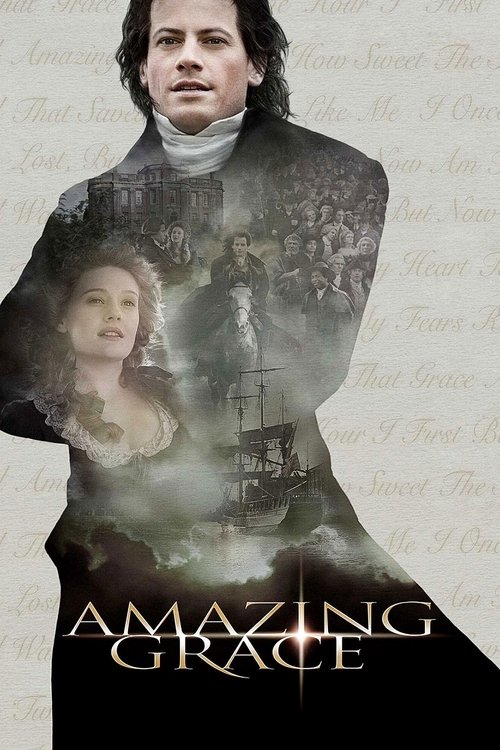
William Wilberforce is the central character in 'Amazing Grace,' portrayed as a passionate and determined member of the British Parliament who dedicates his life to the fight against the slave trade. His internal struggle is depicted through his moral convictions and the emotional toll of advocating for change in a society that largely supports slavery. Wilberforce's journey is marked by his unwavering commitment to justice, despite facing significant political opposition and personal challenges.
How does the friendship between William Wilberforce and Olaudah Equiano develop throughout the film?
The friendship between William Wilberforce and Olaudah Equiano is pivotal in 'Amazing Grace.' Equiano, a former slave who becomes an influential abolitionist, shares his harrowing experiences, which deeply impact Wilberforce. Their relationship evolves from mutual respect to a profound bond, as Equiano's testimony fuels Wilberforce's resolve to end the slave trade. The emotional weight of their conversations highlights the personal stakes involved in the abolition movement.
What challenges does Wilberforce face in Parliament regarding the abolition bill?
In 'Amazing Grace,' Wilberforce faces numerous challenges in Parliament as he advocates for the abolition of the slave trade. He encounters fierce opposition from pro-slavery politicians and economic interests that benefit from the trade. The film portrays intense debates, moments of doubt, and the emotional strain on Wilberforce as he navigates political maneuvering, struggles to rally support, and confronts the apathy of his peers, all while remaining steadfast in his moral convictions.
How does the character of Thomas Clarkson influence Wilberforce's campaign?
Thomas Clarkson, portrayed as a passionate abolitionist and ally of Wilberforce, plays a crucial role in the campaign against the slave trade. His relentless research and efforts to gather evidence about the horrors of slavery provide Wilberforce with the necessary ammunition to persuade Parliament. Clarkson's enthusiasm and dedication inspire Wilberforce, and their collaboration showcases the importance of teamwork in the fight for justice, as they work together to mobilize public opinion and political support.
What is the significance of the character of Granville Sharp in the story?
Granville Sharp is depicted as a key figure in the abolitionist movement and a mentor to Wilberforce in 'Amazing Grace.' His character represents the moral and intellectual foundation of the abolitionist cause, as he is one of the first to challenge the legality of slavery in Britain. Sharp's unwavering commitment to justice and his legal expertise provide Wilberforce with guidance and support, emphasizing the importance of historical figures in the fight against slavery and the interconnectedness of their efforts.
Is this family friendly?
"Amazing Grace" (2006) is generally considered family-friendly, but it does contain some themes and scenes that may be challenging for younger viewers or sensitive individuals. Here are a few potentially objectionable or upsetting aspects:
-
Slavery and Human Trafficking: The film addresses the brutal realities of the transatlantic slave trade, including scenes depicting the inhumane treatment of enslaved people. These moments can be emotionally intense and distressing.
-
Violence and Abuse: There are references to violence against enslaved individuals, including physical abuse and the harsh conditions they endure. While not graphic, the implications can be upsetting.
-
Political and Social Struggles: The film portrays the struggles of abolitionists, including moments of conflict and tension in political discussions. The emotional weight of these struggles may be heavy for some viewers.
-
Death and Loss: Characters experience loss and grief throughout the narrative, which may resonate deeply with sensitive viewers.
-
Religious Themes: The film explores themes of faith and morality, which may provoke strong emotional reactions depending on the viewer's beliefs.
Overall, while the film carries a powerful message of hope and perseverance, its serious themes may require parental guidance for younger audiences.









