

Popular
What are the key events that shape Charles Nelson Reilly's childhood and how do they influence his later life?
How does Reilly's relationship with his mother evolve throughout the film?
What role does Reilly's experience in the theater play in his personal development?
What specific anecdotes does Reilly share about his time on 'The Match Game' and how do they reflect his personality?
How does Reilly address the theme of acceptance in relation to his sexuality throughout the film?
Should I watch it?
Ask Your Own Question

What is the plot?
Sorry, we aren't able to watch and write up a full detailed plot yet. Check back in a few days.
More Movies Like This
Browse All Movies →







What is the ending?
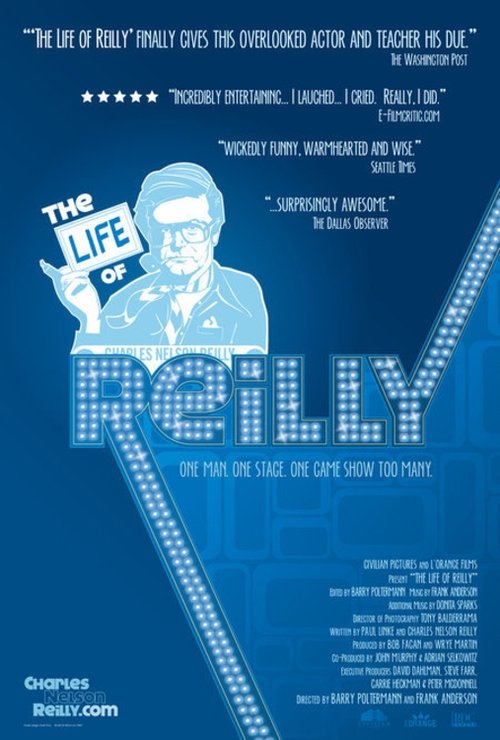
In the ending of "The Life of Reilly," Charles Nelson Reilly reflects on his life and career, sharing poignant stories and insights. The film concludes with a sense of acceptance and understanding of his journey, as he embraces his identity and the experiences that shaped him.
As the final scenes unfold, Reilly sits on stage, illuminated by soft lighting that casts a warm glow around him. He begins to recount his childhood memories, sharing anecdotes that reveal his struggles with self-acceptance and the challenges he faced growing up as a gay man in a time when it was not widely accepted. His storytelling is infused with humor, yet there is an underlying poignancy as he discusses the impact of his relationships and the people who influenced him.
In one scene, he recalls his time in the theater, the thrill of performing, and the joy it brought him. He speaks of his mentors and friends, highlighting the importance of connection and support in his life. As he reminisces, the audience can feel the weight of his experiences, the laughter mingling with moments of vulnerability.
Reilly also touches on the theme of regret, reflecting on missed opportunities and the choices he made. He acknowledges the complexities of his relationships, particularly with his family, and how they shaped his identity. There is a moment of silence as he shares a particularly emotional story about his mother, revealing the deep love and conflict that existed between them.
As the performance draws to a close, Reilly expresses gratitude for the life he has lived, despite its ups and downs. He emphasizes the importance of embracing one's true self and the freedom that comes with acceptance. The audience is left with a sense of closure, as Reilly's journey comes full circle, celebrating both the struggles and triumphs of his life.
In the final moments, he stands center stage, a smile on his face, embodying a sense of peace and fulfillment. The lights dim, and the applause from the audience resonates, a testament to the impact of his story and the legacy he leaves behind. The film ends on a note of hope, encouraging viewers to reflect on their own lives and the importance of authenticity.
Is there a post-credit scene?
The Life of Reilly, produced in 2006, does not have a post-credit scene. The film, which is a documentary-style portrayal of the life and career of actor and playwright Charles Nelson Reilly, concludes without any additional scenes or content after the credits roll. The focus remains on Reilly's reflections on his life, his experiences in the entertainment industry, and his personal anecdotes, leaving the audience with a sense of closure regarding his story.
What are the key events that shape Charles Nelson Reilly's childhood and how do they influence his later life?
In 'The Life of Reilly', Charles Nelson Reilly recounts his childhood experiences that significantly shape his identity and career. He shares vivid memories of growing up in a strict household in the Bronx, where his mother, a strong and domineering figure, had a profound impact on his self-perception. Reilly describes the challenges he faced as a young boy, including his struggles with his sexuality and the pressure to conform to societal expectations. These formative experiences instill in him a sense of humor and a desire to perform, ultimately leading him to pursue a career in acting.
How does Reilly's relationship with his mother evolve throughout the film?
Reilly's relationship with his mother is a central theme in 'The Life of Reilly'. He portrays her as both a source of inspiration and a figure of conflict. As he narrates his story, he reflects on her fierce ambition for him and the expectations she placed on him. Despite the tension, there are moments of tenderness where he acknowledges her sacrifices and the love she had for him. This complex dynamic reveals Reilly's internal struggle between seeking approval and embracing his true self, culminating in a bittersweet understanding of their bond.
What role does Reilly's experience in the theater play in his personal development?
The theater serves as a transformative space for Reilly in 'The Life of Reilly'. He describes his early encounters with acting as a refuge from the difficulties of his childhood. The stage becomes a place where he can express his true self, free from the constraints of his upbringing. Reilly shares anecdotes about his time in various productions, highlighting how these experiences not only honed his craft but also helped him build confidence and a sense of belonging. His passion for theater ultimately shapes his identity and career, illustrating the profound impact of artistic expression on his life.
What specific anecdotes does Reilly share about his time on 'The Match Game' and how do they reflect his personality?
In 'The Life of Reilly', Reilly shares humorous and poignant anecdotes from his time on 'The Match Game', a popular game show where he became a beloved panelist. He recounts the camaraderie and playful banter with fellow contestants, showcasing his quick wit and charm. These stories reflect his larger-than-life personality and his ability to connect with audiences through humor. Reilly's experiences on the show highlight his talent for improvisation and his comfort in the spotlight, revealing how this platform allowed him to embrace his identity and entertain millions.
How does Reilly address the theme of acceptance in relation to his sexuality throughout the film?
Reilly candidly discusses his journey toward self-acceptance regarding his sexuality in 'The Life of Reilly'. He shares personal stories of the struggles he faced growing up in a time when being gay was stigmatized. Through humor and vulnerability, he reflects on the fear of rejection and the longing for acceptance from his family and society. Reilly's narrative illustrates his gradual acceptance of his identity, emphasizing the importance of authenticity and the liberation that comes with embracing who he truly is. This theme resonates throughout the film, as he encourages others to find their own paths to acceptance.
Is this family friendly?
"The Life of Reilly," produced in 2006, is a film that centers around the life and experiences of actor and playwright Charles Nelson Reilly. While the film is largely a one-man show featuring Reilly's storytelling, it does contain some themes and elements that may not be suitable for all audiences, particularly children or sensitive viewers.
-
Adult Themes: The film touches on topics such as sexuality, identity, and personal struggles, which may be complex for younger viewers to understand.
-
Humor and Language: Reilly employs a mix of humor that includes adult language and innuendos, which may not be appropriate for children.
-
Emotional Depth: The film delves into Reilly's personal experiences, including feelings of loneliness, rejection, and the challenges of being an openly gay man in a less accepting era. These themes can be heavy and may evoke strong emotions.
-
Discussion of Death: There are references to loss and the impact of death on Reilly's life, which could be upsetting for sensitive viewers.
-
Personal Struggles: Reilly shares anecdotes about his struggles with self-acceptance and the pressures of fame, which may resonate deeply but could also be distressing for some.
Overall, while "The Life of Reilly" is a celebration of Reilly's life and career, its content may not be suitable for younger audiences or those who are sensitive to the aforementioned themes.







