




Popular
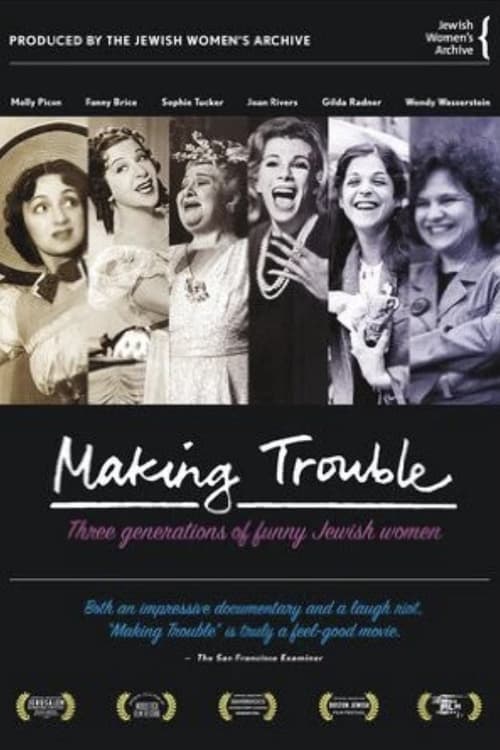
Who are the three generations of funny Jewish women featured in the documentary?
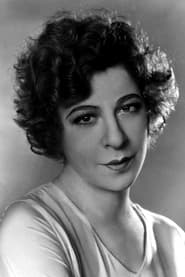
What role does Fanny Brice play in the narrative of the documentary?
How does the documentary depict Joan Rivers' impact on comedy?
What specific challenges did Gilda Radner face in her career as shown in the film?
How does the film illustrate the evolution of Jewish women's comedy over the decades?
Should I watch it?
Ask Your Own Question

What is the plot?
Sorry, we aren't able to watch and write up a full detailed plot yet. Check back in a few days.
More Movies Like This
Browse All Movies →




What is the ending?
In the ending of "Making Trouble: Three Generations of Funny Jewish Women," the film culminates in a celebration of the legacy and impact of Jewish female comedians. The documentary wraps up with reflections from the featured comedians, who share their thoughts on the importance of humor in their lives and the influence of their predecessors. The film emphasizes the connection between generations and the ongoing journey of women in comedy.
As the film draws to a close, the screen transitions to a montage of clips showcasing the comedic talents of the women featured throughout the documentary. The audience is treated to a blend of laughter and poignant moments, highlighting the struggles and triumphs of these trailblazers. The final scenes feature the comedians expressing gratitude for their shared experiences and the path paved by those who came before them, reinforcing the theme of empowerment and resilience.
In a more detailed narrative, the ending begins with a series of interviews with the featured comedians, including the likes of Joan Rivers, Gilda Radner, and others. Each woman reflects on her journey in the world of comedy, sharing personal anecdotes that reveal their motivations and the challenges they faced as Jewish women in a predominantly male industry.
The camera captures Joan Rivers, her signature wit shining through as she discusses the importance of humor as a coping mechanism. She recalls moments of adversity, both in her career and personal life, and how laughter became her refuge. The audience can see the emotional weight of her words, as she acknowledges the sacrifices made by those who came before her, paving the way for future generations.
Next, the film transitions to Gilda Radner's legacy, showcasing clips from her iconic performances on "Saturday Night Live." The footage is interspersed with interviews from her friends and colleagues, who speak fondly of her influence and the joy she brought to audiences. The emotional resonance of her story is palpable, as the film highlights her battle with cancer and the impact of her humor on those around her. The scene is bittersweet, celebrating her life while acknowledging the loss felt by her fans and peers.
As the documentary progresses, it shifts to a gathering of the featured comedians, where they share laughter and stories, creating a sense of camaraderie. The atmosphere is filled with warmth and nostalgia, as they reminisce about their shared experiences in the comedy world. The camera captures their laughter, underscoring the bond formed through their struggles and triumphs.
In the final moments, the film presents a montage of performances from various Jewish female comedians, both past and present. The screen fills with laughter, showcasing the evolution of comedy and the vital role these women have played in shaping it. The montage serves as a powerful reminder of the resilience and creativity of Jewish women in the face of adversity.
The film concludes with a poignant message about the importance of humor in navigating life's challenges. The final shot lingers on the smiling faces of the comedians, a testament to their enduring legacy and the joy they continue to bring to audiences. Each character's fate is intertwined with the collective journey of Jewish women in comedy, leaving viewers with a sense of hope and inspiration for the future.
Is there a post-credit scene?
The movie "Making Trouble: Three Generations of Funny Jewish Women" does not have a post-credit scene. The film concludes after the credits roll, focusing on the legacy and impact of Jewish women in comedy throughout the years. It highlights the contributions of notable figures such as Fanny Brice, Gilda Radner, and Joan Rivers, celebrating their humor and the challenges they faced in a male-dominated industry. The film wraps up with reflections on the importance of their work and the influence they have had on future generations of comedians.
Who are the three generations of funny Jewish women featured in the documentary?
The documentary highlights the contributions of three generations of Jewish female comedians: the pioneering figures like Fanny Brice and Joan Rivers, the influential voices of the 1970s and 1980s such as Gilda Radner and Phyllis Diller, and contemporary comedians like Sarah Silverman and Judy Gold.
What role does Fanny Brice play in the narrative of the documentary?
Fanny Brice is portrayed as a trailblazer for Jewish women in comedy, showcasing her struggles and triumphs in a male-dominated industry. Her story is interwoven with themes of identity and resilience, illustrating how her humor broke barriers and paved the way for future generations.
How does the documentary depict Joan Rivers' impact on comedy?
Joan Rivers is depicted as a fierce and unapologetic comedian who challenged societal norms and expectations. The film explores her relentless pursuit of success, her groundbreaking television appearances, and her ability to tackle taboo subjects with humor, highlighting her influence on both female comedians and the comedy landscape as a whole.
What specific challenges did Gilda Radner face in her career as shown in the film?
The documentary reveals Gilda Radner's struggles with self-doubt and the pressures of fame, particularly during her time on 'Saturday Night Live.' It emphasizes her vulnerability and the emotional depth of her characters, showcasing how she used humor as a coping mechanism while dealing with personal challenges.
How does the film illustrate the evolution of Jewish women's comedy over the decades?
The film chronicles the evolution of Jewish women's comedy by juxtaposing archival footage with contemporary interviews. It highlights the changing societal attitudes towards women in comedy, showcasing how each generation of comedians built upon the legacy of their predecessors while addressing new issues and themes relevant to their times.
Is this family friendly?
"Making Trouble: Three Generations of Funny Jewish Women" is a documentary that celebrates the contributions of Jewish women in comedy. While it is generally family-friendly, there are a few aspects that might be considered objectionable or upsetting for children or sensitive viewers:
-
Mature Themes: The documentary discusses topics such as identity, cultural heritage, and the struggles faced by women in the comedy industry, which may include references to sexism and personal hardships.
-
Language: There are instances of strong language and adult humor that may not be suitable for younger audiences.
-
Personal Stories: Some of the comedians share personal anecdotes that touch on sensitive subjects, including family dynamics, loss, and societal expectations, which could be emotionally heavy for some viewers.
-
Cultural References: The humor often relies on cultural references and experiences that may not resonate with all audiences, potentially leading to misunderstandings or discomfort.
Overall, while the film is a celebration of humor and resilience, parents may want to preview it to determine its appropriateness for their children.