
















Popular
What events lead to the decision to sink the Lusitania?
How do the characters react to the news of the Lusitania's sinking?
What role does the character of Captain Turner play in the story?
How does the film depict the aftermath of the sinking?
What specific actions do the crew take during the sinking to save passengers?
Should I watch it?
Ask Your Own Question

What is the plot?
Sorry, we aren't able to watch and write up a full detailed plot yet. Check back in a few days.








What is the ending?
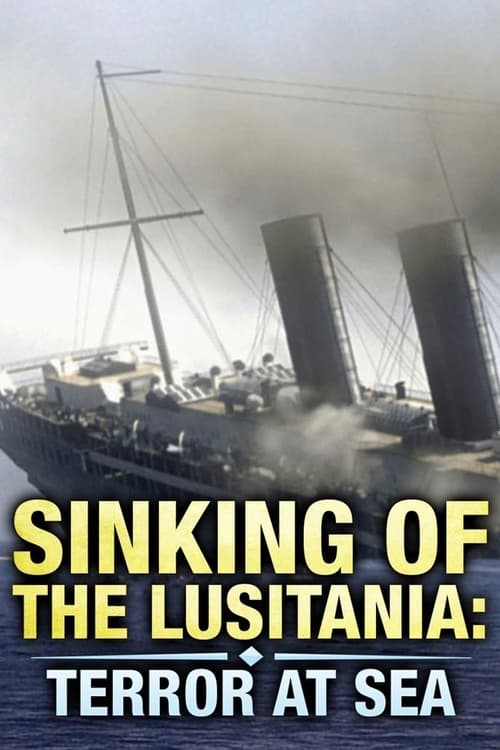
In the ending of "Sinking of the Lusitania: Terror at Sea," the ship Lusitania is struck by a torpedo from a German U-boat, leading to chaos and panic among the passengers. As the ship begins to sink, characters struggle to survive, with some making it to lifeboats while others are left behind. The film concludes with a somber reflection on the tragedy, highlighting the loss of life and the impact of war.
As the final act of the film unfolds, the atmosphere aboard the Lusitania shifts dramatically. The ship, once a symbol of luxury and safety, is now a vessel of impending doom. The camera captures the serene beauty of the ocean, juxtaposed with the tension brewing among the crew and passengers.
Scene 1: The torpedo strikes. A deafening explosion rocks the ship, sending passengers and crew members tumbling. The sound of shattering glass and the cries of terrified individuals fill the air. The camera pans across the deck, capturing the horror etched on the faces of the passengers as they realize the gravity of their situation.
Scene 2: Panic ensues. The once orderly environment devolves into chaos. People rush to the lifeboats, their faces a mix of fear and desperation. The ship's crew attempts to maintain order, shouting instructions, but their voices are drowned out by the cacophony of panic. Among the crowd, we see key characters: a mother frantically searching for her child, a businessman trying to maintain his composure, and a young couple clinging to each other, their love a fragile anchor in the storm of chaos.
Scene 3: The struggle for survival. As the ship lists dangerously, the lifeboats become a focal point of desperation. The camera captures the heart-wrenching moments as some characters manage to board the lifeboats, while others are left behind. The mother finds her child, and they embrace tightly, tears streaming down their faces. The businessman, realizing he may not survive, makes a selfless decision to help others into the lifeboats, showcasing his internal conflict between self-preservation and altruism.
Scene 4: The ship sinks. The Lusitania's bow plunges into the water, and the stern rises ominously. The camera captures the frantic scramble of passengers as they cling to the ship, some jumping into the icy waters below. The young couple, still together, faces the reality of their fate. They share a poignant moment, expressing their love for one another as they prepare to face the unknown.
Scene 5: The aftermath. The screen fades to black, and the next scene reveals the survivors in lifeboats, looking back at the sinking ship. The ocean is eerily calm, contrasting with the turmoil that just unfolded. The camera lingers on the faces of the survivors, capturing their shock and grief. The film closes with a somber reflection on the tragedy, emphasizing the senseless loss of life and the impact of war on innocent people.
In the end, the fates of the main characters are revealed: the mother and child are among the survivors, clinging to hope amidst the despair. The businessman, having sacrificed himself, is left behind, a symbol of the bravery and selflessness that emerged in the face of disaster. The young couple, united in love, faces an uncertain fate as they are last seen holding onto each other in the water, leaving their ultimate fate ambiguous. The film concludes with a powerful message about the human cost of conflict and the fragility of life.
Is there a post-credit scene?
The movie "Sinking of the Lusitania: Terror at Sea," produced in 2007, does not contain a post-credit scene. The film concludes with a poignant reflection on the tragic events surrounding the sinking of the Lusitania, focusing on the emotional aftermath and the impact on the survivors and their families. The narrative wraps up without any additional scenes or content after the credits, leaving viewers to contemplate the historical significance and human cost of the disaster.
What events lead to the decision to sink the Lusitania?
The film depicts the political tensions of World War I, showcasing how Germany's unrestricted submarine warfare policy escalates. The German government issues warnings to passengers about the dangers of traveling on British ships, including the Lusitania, which they consider a legitimate target due to its cargo of munitions.
How do the characters react to the news of the Lusitania's sinking?
As the Lusitania is struck by a torpedo, the characters experience a range of emotions from disbelief to sheer panic. Passengers scramble for lifeboats, and the crew attempts to maintain order amidst the chaos, showcasing their bravery and desperation.
What role does the character of Captain Turner play in the story?
Captain Turner is portrayed as a dedicated and experienced leader, grappling with the responsibility of ensuring the safety of his passengers. His internal conflict is evident as he balances the ship's speed and safety against the looming threat of German U-boats.
How does the film depict the aftermath of the sinking?
The aftermath is portrayed with haunting visuals of the ocean littered with debris and survivors clinging to life. The emotional toll on the characters is palpable as they confront loss, guilt, and the stark reality of the tragedy, highlighting the human cost of war.
What specific actions do the crew take during the sinking to save passengers?
The crew members are shown working tirelessly to launch lifeboats and assist passengers in evacuating the ship. Their determination and courage are highlighted as they face the overwhelming odds of a sinking ship, trying to save as many lives as possible.
Is this family friendly?
The movie "Sinking of the Lusitania: Terror at Sea" contains several scenes and themes that may be considered objectionable or upsetting for children or sensitive viewers.
-
Depictions of War: The film is set against the backdrop of World War I, and there are references to the violence and destruction caused by the war, which may be distressing.
-
Tension and Fear: The atmosphere throughout the film is filled with tension and fear as the characters face the impending disaster. This emotional weight may be overwhelming for younger audiences.
-
Tragic Loss of Life: The sinking of the Lusitania results in significant loss of life, and scenes depicting the chaos and panic during the ship's sinking may be upsetting.
-
Character Grief: Characters experience profound grief and despair over the loss of loved ones, which may resonate deeply and evoke strong emotions.
-
Realistic Portrayal of the Sinking: The film includes realistic portrayals of the ship sinking, including scenes of people struggling in the water, which could be frightening.
These elements contribute to a serious tone that may not be suitable for all viewers, particularly younger children or those sensitive to themes of tragedy and loss.







